Русский









Moscow is redeploying hundreds of diplomats from Europe to Africa to reopen about ten embassies, Russian Foreign Minister Sergey Lavrov stated on Wednesday (February 11). Addressing the Russian State Duma, Lavrov said Moscow has cut its diplomatic presence in Europe by an estimated 120-150 staff and is relocating the employees to Africa.
Lavrov said that “90% of these employees have been redirected to the African track, where we are resuming the operations of around ten embassies in total: some have already reopened, while others are to open within the next year or two.” Russia established its first-ever embassy in Juba, South Sudan, in December 2025.
Moscow had not maintained a permanent diplomatic mission in South Sudan before; the country only gained independence in 2011. Last year, Russia also opened embassies in Niger and Sierra Leone. These had previously been shuttered since 1992 at the end of the Soviet Union. Their reopening ends nearly three decades of diplomatic inactivity. Moscow reopened embassies in Burkina Faso and Equatorial Guinea in 2024.
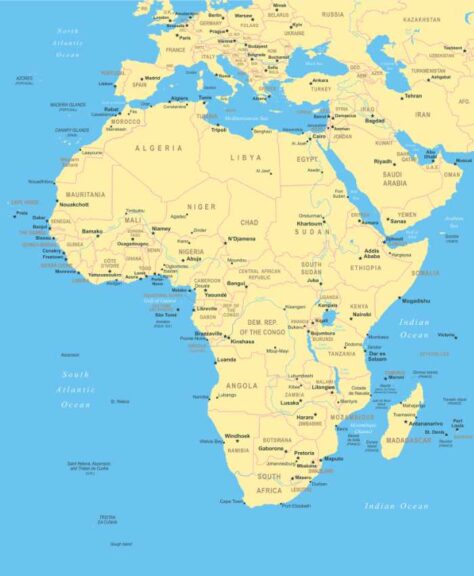
In January this year, Lavrov stated that the number of Russian embassies in Africa would reach 49 once new missions open in countries including The Gambia, Liberia, Togo, and the Comoros. There are 54 countries in Africa.
Russia’s non-energy trade with the European Union reached about €60 billion last year, while Russia’s trade with Africa reached about €27 billion, or about half the EU figure. However, Russia’s trade with Africa has been growing at over 40% per annum for the past two years, with this trend continuing. EU trade has been declining—dropping 10% in 2025. Much of Europe’s non-energy trade with Russia consists of fertilizer imports. This indicates that Russia’s trade with Africa will surpass its trade with the EU by 2028/29, as the EU is also committed to phasing out all Russian energy imports by 2027. This will dramatically reduce the trade—and sanctions—leverage that the EU has on Russia, while forcing the EU to adjust its supply chains for more expensive imported alternatives shipped in from more distant countries.