
 Русский






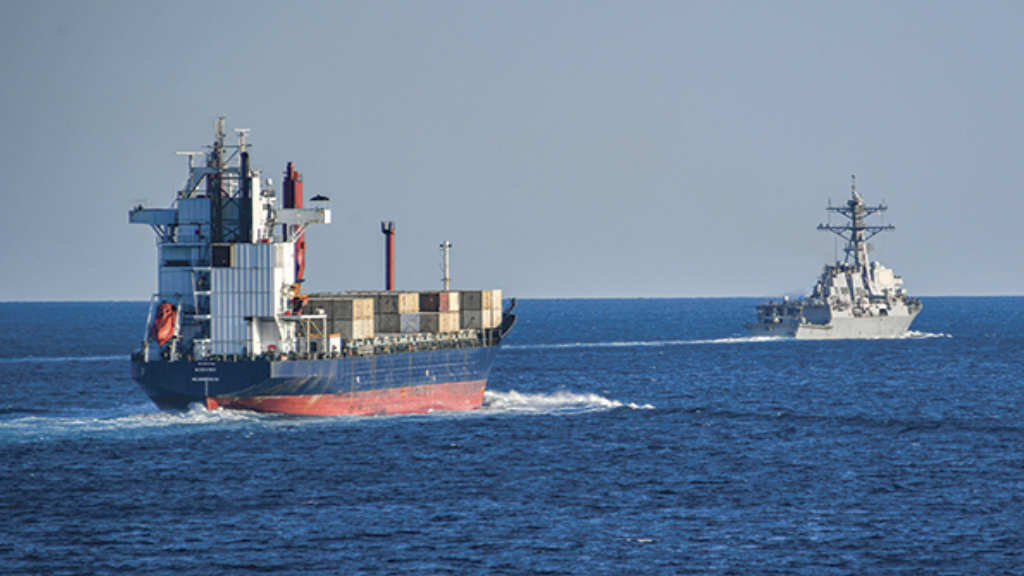

The BRICS countries need strategic maritime cooperation in order to enhance security along global shipping lanes from Western piracy, according to Russian presidential aide Nikolay Patrushev.
In recent weeks, the United States and France have seized tankers in international waters that they claim are transporting sanctioned oil, while the United Kingdom has said it will do the same, and Europe has called for a blockade of the Baltic Sea. Moscow’s ambassador to Norway, Nikolay Korchunov, said recently that “NATO countries are plotting an illegal maritime blockade of Russia, particularly in the Baltic and the Arctic regions. The US-led bloc is also developing plans for “a partial or complete naval blockade” of Russia.”
Those comments came after reports that UK Defense Secretary John Healey had met with his counterparts from the Baltic and Nordic nations on the sidelines of the Munich Security Conference to discuss seizing Russia-linked oil tankers.
US President Donald Trump has defended his push for Greenland as a way to counter Russian and Chinese influence in the Arctic, while Moscow and Beijing have dismissed these claims. NATO is planning to increase its military presence in the Arctic around Greenland, the military bloc also announced earlier this month.
Patrusshev said that “We will tap into the potential of BRICS, which needs to be given a full-fledged strategic maritime dimension.”
Several BRICS member countries are already conducting joint naval exercises, Patrushev said, citing drills held in January and February. The ‘Will for Peace 2026’ exercises started off the coast of Cape Town, South Africa, in January, just days after US forces seized a Russian-flagged oil tanker over claims it had breached Washington’s sanctions against Venezuela. Russia, China, Iran, and the UAE all participated in the maneuvers, Patrushev, who is also the chairman of the Russian Maritime Board, said.
Maritime Passage Law
In terms of the international legalities, a concept known as ‘Right of Innocent Passage’ is in place, although it is often being ignored, including by Western signatories. This states that the right of innocent passage is a fundamental principle of international maritime law and is codified in the UN Convention on the Law of the Sea (UNCLOS). It allows foreign vessels to pass through a coastal state’s territorial waters. Passage must be continuous, expeditious, and not prejudicial to the peace, good order, or security of the coastal state. It applies to all ships (including warships) in territorial seas, allowing them to travel through but not to anchor or engage in fishing, research, or weapon exercises. Passage is considered prejudicial (not innocent) if a ship engages in threats, force, spying, or willful pollution against the coastal state. While coastal states can regulate passage, they cannot hamper, discriminate against, or permanently suspend innocent passage for foreign ships.
Legal Basis: Article 17 of UNCLOS establishes this right, balancing the coastal state’s sovereignty with the international freedom of navigation. The recent apprehension of ships believed to be ‘associated’ with Russian oil supplies or transit breaches this agreed law.
BRICS Naval Strength
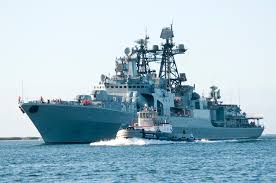
The full BRICS members with naval capabilities have the following navy strengths:
- Brazil: 63 ships, including 10 major surface combatants, 6 submarines, 1 helicopter carrier, 4 amphibious warfare vessels, and 23 auxiliary ships.
- China: 730 ships, including 3 aircraft carriers, 61 submarines, 53 destroyers, 46 frigates, 50 corvettes, and numerous helicopter carriers and other combat vessels and auxiliaries.
- Egypt: The Egyptian Navy is the largest navy in the Middle East and Africa, with 320 ships, including 8 submarines, 2 helicopter carriers, 13 frigates, 7 corvettes, over 40 fast attack craft, and various other auxiliaries.
- India: 145 ships, including 2 aircraft carriers, 18 submarines, 13 destroyers, 18 frigates, 21 corvettes, and numerous other attack, landing, and auxiliary vessels.
- Indonesia: 245 ships, including 1 aircraft carrier, 4 submarines, 9 frigates, 26 corvettes, and numerous amphibious, attack, and auxiliary vessels. It is the largest navy in Southeast Asia.
- Iran: 200 ships, including 30 submarines, 7 frigates, 3 corvettes, multiple fast attack boats, and auxiliary vessels.
- Russia: 300 ships, including 65 submarines, 2 battlecruisers, 10 destroyers, 79 corvettes, 17 frigates, 50 amphibious craft, and numerous auxiliary and support vessels.
- Saudi Arabia: 60 ships, including 7 frigates, 9 corvettes, and over 30-40+ patrol vessels/miscellaneous ships.
- South Africa: 60 ships, including 4 frigates, 3 submarines, and other fast attack and supporting vessels.
- UAE: The United Arab Emirates maintains a specialized force of about 60 ships focused on coastal defense and littoral operations, including 10 corvettes, fast amphibious boats, offshore patrol vessels, and supporting vessels.
In contrast, the United States Navy includes about 480 ships, including 11 aircraft carriers, over 90 cruisers and destroyers, 60+ submarines, and over 200 frigates and corvettes plus auxiliary vessels.