
 Русский







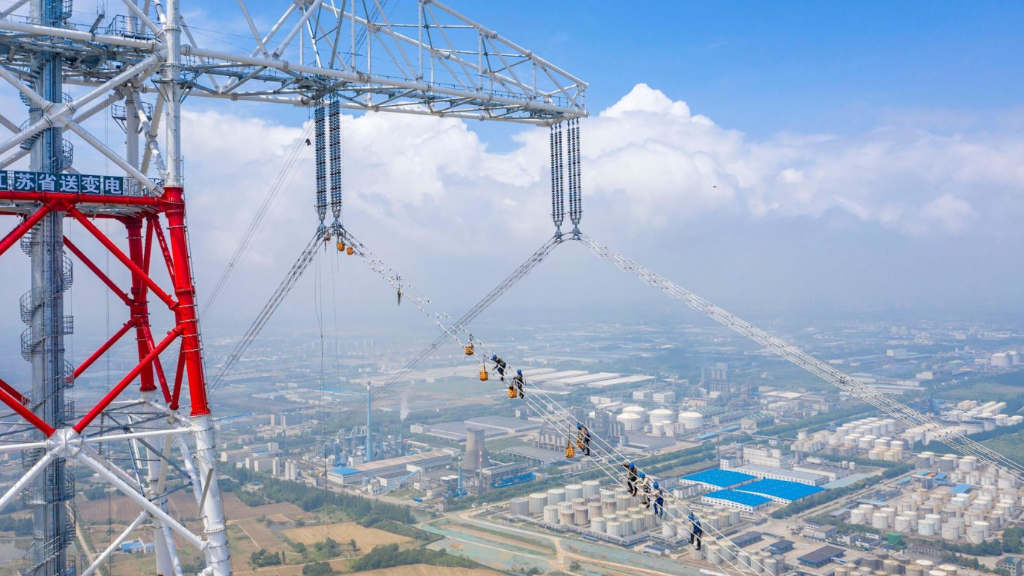

China has suspended its electricity purchases from Russia from January 1, the result of high export prices, which exceeded domestic Chinese prices for the first time. However, the cessation is likely to be medium term and resume next year when prices readjust.
Inter RAO (an export-import operator) exports surplus electricity from the Russian Far East to China, primarily generated by RusHydro hydroelectric power plants. It was expected that approximately 100 billion kWh contracted through 2037, or approximately 4 billion kWh per year, would be supplied to China over the entire period.
The electricity price formula is likely tied to the single-rate price (capacity plus electricity) established in the Russian Far East and takes into account the transmission tariff of the transmission grid to the Amur-Heihe cross-border transmission line and Inter RAO’s margin. Chinese importers then sell the electricity to their consumers at the retail price.
The price of electricity in China remains virtually unchanged and is currently around ¥350 (₽3,000) per 1 MWh. However, due to increasing demand in the Russian Far East, prices have been rising at a faster pace since the beginning of 2026. Based on price dynamics for the first half of January, the single-rate electricity price in the Far Eastern Federal District by the end of the month is about ₽4,300 per MWh – 42% higher than the price in January 2025.
Electricity consumption in the Far East’s energy system is growing at 4% per annum, while there is a generation shortage, which has led to a reduction in export opportunities and limited supplies to China.
From 2012 to 2020, export volumes remained at an average of 3 billion kWh per year. A sharp increase of 30%, to 3.97 billion kWh, was observed in 2021, when China requested increased exports to cover energy shortages in the Chinese northeastern regions. Exports peaked at 4.7 billion kWh in 2022. While the agreement was initially intended to sell surplus electricity, a capacity shortage eventually developed in the Far East power system, causing exports to decline from August 2023, reaching a low last year.
Sergey Rozhenko of the Kept analytics firm notes that the installed capacity of China’s power grid is approximately 100 times greater than that of Russia’s Eastern Integrated Power System, so supply volumes from Russia have generally remained quite small compared to China’s domestic production. He said that “From a balance standpoint, the Chinese power grid can replace these volumes. The supplies are economically feasible, as some border regions have certain limitations regarding the use of coal for local thermal power plants.”
At the same time, the key priority for the Russian Ministry of Energy remains the accelerated provision of electricity to the developing economy of the Russian Far East. That takes precedence over electricity exports, the ministry has stated. They added that electricity exports from Russia to China could be resumed upon requests from China and mutually beneficial terms.
The electricity supply contract between Moscow and Beijing runs until 2037, and the Ministry of Energy allows for the resumption of exports upon new requests from China.
Inter RAO said that the export contract remains in effect. “The parties are currently actively exploring opportunities for electricity trading. There are no plans to terminate the export contract at the initiative of the Russian side. The Chinese side, with whom we are in constant communication, has also expressed no interest in terminating the contract.”
Further Reading
Landmark Reached As China Now Imports More Russian Gas Than Europe
Continue Reading