
 Русский






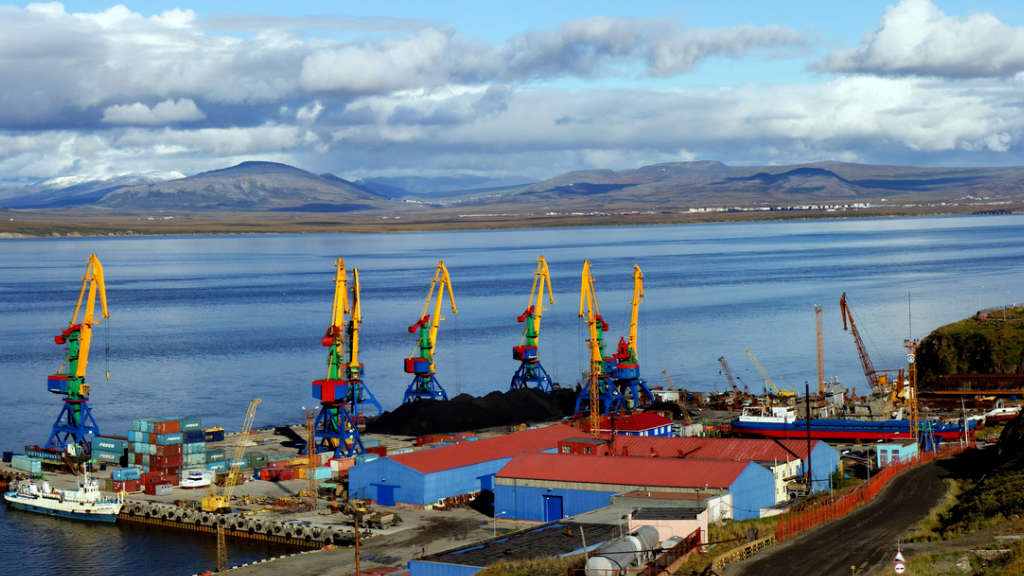

Russia’s Far Eastern Arctic Anadyr Port in Chukotka processed more than 1.3 million tonnes of cargo during the May-December 2025 navigation season, according to local customs officials. That is an increase of 60% over the 2024 season, with imports of specialized equipment, spare parts, and consumables for the mining industry brought in through the Provideniya sea checkpoint all increasing.
The last batches of import cargo this year were brought in by the Arctic sea vessels “Norilskiy Nikel” and “Nadezhda“.
Chukotka region officials stated that “This growth is associated with the active development of the Northern Sea Route and the expansion of foreign economic activity of the mining industry of the Chukotka region. Customs officers ensure operational processing of cargo, contributing to the integration of the region into key logistics routes.”
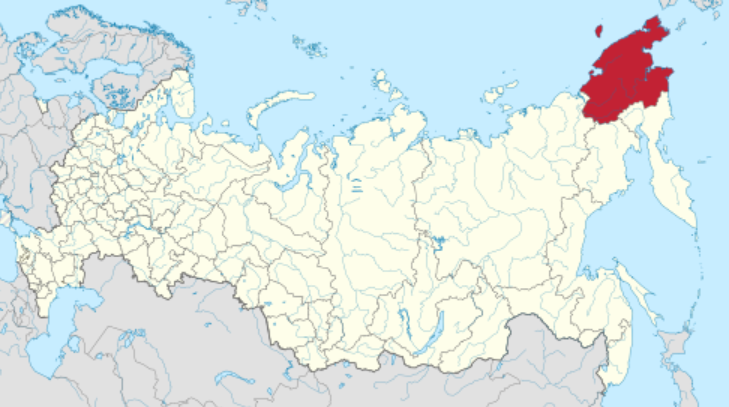
Chukotka is the easternmost region of Russia with a total population of only 50,000 people. However, its importance is growing along with the development of the Northern Sea Route.
Chukotka plays the role of the “eastern gateway” in this developing system. The ports of the district (for example, Pevek) and the icebreaker escort that provides them are critically important for the functioning of the NSR. The port of Anadyr operates in maritime and river navigation directions. Cargoes arriving at the port by sea are delivered to points along the coast, as well as inland, up the Anadyr River and its tributaries.
Anadyr is also developing as a marine service center for shipping along the Northern Sea Route. The port has ship repair shops that, in addition to repairing their own marine and river vessels with a dock weight of up to 400 tons, provide services to third-party shipowners, as well as agent fleets in their ports, including tourist and scientific expeditions, and also provides support to the Providence and Egvekinot seaports. Providence serves as a collection point for ship freight traveling along the Northern Sea Route. The protected water area of the port allows for safety while awaiting favourable ice conditions or the arrival of an icebreaker for navigation.
Otherwise, much of the current industrial development revolves around mining sector with Chukotka possessing large reserves of oil, natural gas, coal, gold, and tungsten. Most Chukotka imports are equipment deliveries from China, with some from North Korea.
Further Reading
How Russia Is Unlocking Arctic Trade and Investment for Asia