 Русский






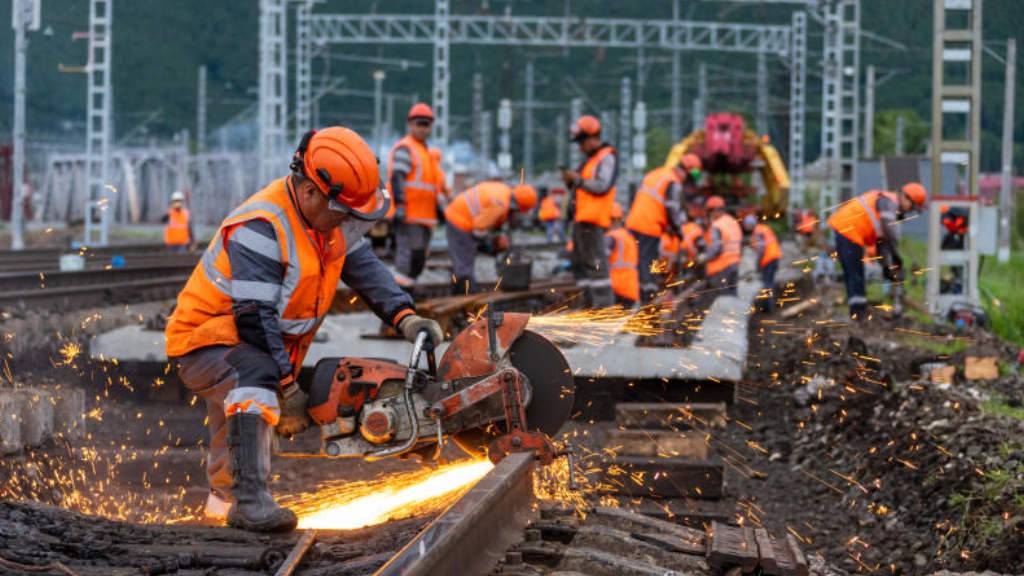

The integration of the Donetsk and Lugansk People’s Republics and the Zaporozhye and Kherson regions into the Russian transport system has been discussed by the Russian Legislative Council. Konstantin Pashkov, the First Deputy Minister of Transport, stated that the primary task is the full integration of these regions into the national system.
Much of this involves connectivity with the “Railways of Novorossiya” state-owned company, established in 2023 and employing over 16,000 workers. This has restored the railway station in Mariupol and repaired over 100 km of track. In 2025, these regions transported over 20 million tonnes of cargo and 1 million passengers. Targets for 2030 are 29 million tonnes and 1.2 million passengers.
In addition, over 4,500 km of roads have been repaired and upgraded, while the R-280 “Novorossiya” federal highway is now fully up to standard. 309.4 km will be expanded on this route to four lanes of traffic by 2030. A Mariupol bypass is planned for completion in 2028.
Russia has also upgraded the road checkpoints to handle a total capacity of 38,000 vehicles daily. Over 2,400 new buses and related equipment have been supplied, with 66% of the fleet now in standard operational condition.
Maritime infrastructure in the Donetsk People’s Republic and Zaporozhye region includes the ports of Mariupol and Berdyansk. In the first 11 months of 2025, they handled 263,600 and 211,300 tonnes respectively, with capacity expected to reach 4.8 and 2.1 million tonnes by 2030.
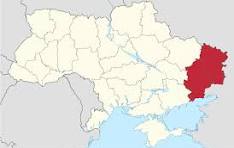
These regions found themselves cut off from their primary import and export markets in 2014 when Kiev decided to leave the Commonwealth of Independent States and the subsequent trade agreements it had with other CIS members. That included Russia, along with nearby regional markets in Armenia, Azerbaijan, Belarus, and Georgia. Trade levels within these regions plummeted by 85% as a result—leading to their subsequent move to declare independence from Ukraine and the later 2022 moves to join the Russian Federation. This has now re-stimulated these regions and is leading to renewed infrastructure development within them as they look to recommence trade with their traditional import-export partners.
Russia applies zero or very low tariffs on most agricultural goods traded with the majority of Commonwealth of Independent States (CIS) countries. Ukraine itself applies a 9.1% tariff, while the CIS applies tariffs of between 4 and 11% depending on the product, typically meaning that exporters from the Donetsk, Lugansk, Zaporozhye, and Kherson regions under Ukrainian administration to the CIS markets would face duties of between 13 and 20% on the value of their goods, rendering them uncompetitive. Now those markets are returning under Russia’s tariff agreements with the CIS.
Today these regions, being subjects of the Russian Federation, are increasing exports, focusing on the CIS countries. Export activity is supported by the participation of enterprises in the free economic zone (FEZ), which has been operating since June 2023 in the Donetsk, Lugansk, Zaporizhia, and Kherson regions. The FEZ regime provides for tax and customs privileges, loan subsidies, and special land and urban planning conditions, which allows companies in the region to expand production, modernize facilities, and obtain assistance in re-entering these overseas markets.
Further Reading
Russia To Upgrade Mariupol Port As It Reconnects with the CIS, Turkyie and North Africa