
 Русский








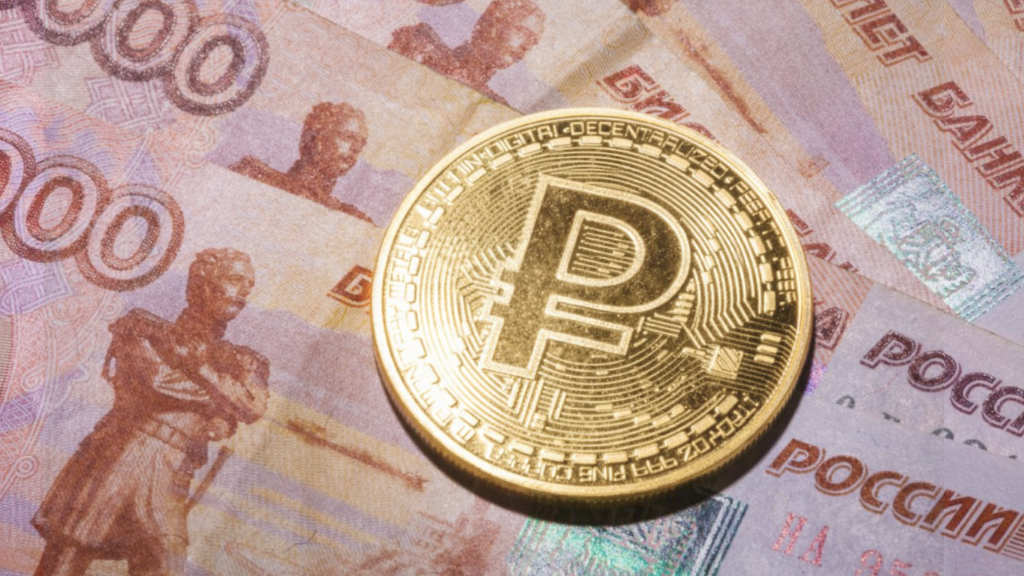

The first cryptocurrency transactions could be conducted in normal Russian domestic transactions by the end of this year if the corresponding law is passed, according to Ekaterina Lozgacheva, the head of the Central Bank of Russia’s financial market strategic development department.
She said that “We expect that in the near future, when the draft bill on regulating the Russian cryptocurrency market reaches the State Duma, it will be possible to discuss many details concerning use very soon. With the approval of the draft bill this year, we see that the first transactions could take place by the end of this year already, and a rather lively agenda therefore awaits us this year.”
Lozgacheva was speaking at the Cybersecurity in Finance forum.
At the end of December last year, the Central Bank of Russia (CBR) reported that it had submitted a concept for regulating cryptocurrencies in Russia to the government, according to which digital currencies and stablecoins are recognized as currency values that can be bought and sold, though not used for payments within the country. Deputy Finance Minister Ivan Chebeskov has said previously that the draft bill is expected to be forwarded to the State Duma in March 2026 and approved in the spring session.
The CBR’s concept would allow cryptocurrency transactions to be conducted via existing infrastructure—exchanges, brokers, and trustees—on the basis of their current licenses. Other requirements will only be set for special depositaries and crypto exchanges. The concept permits qualified investors to acquire cryptocurrency assets without restriction but limits purchases by non-qualified investors to ₽300,000 (US$3,900) via one intermediary each year. The use of cryptocurrency in Russia is to be staggered to allow security issues and the relevant infrastructure to be thoroughly tested. However, when it is in full use, it will change global banking, as payments can be made wallet to wallet directly without the need for normal banking infrastructure. Instead, crypto relies on digital communications networks for the transaction to take place. Russia is deemed to be several years ahead of the European Union in developing this technology.