
 Русский







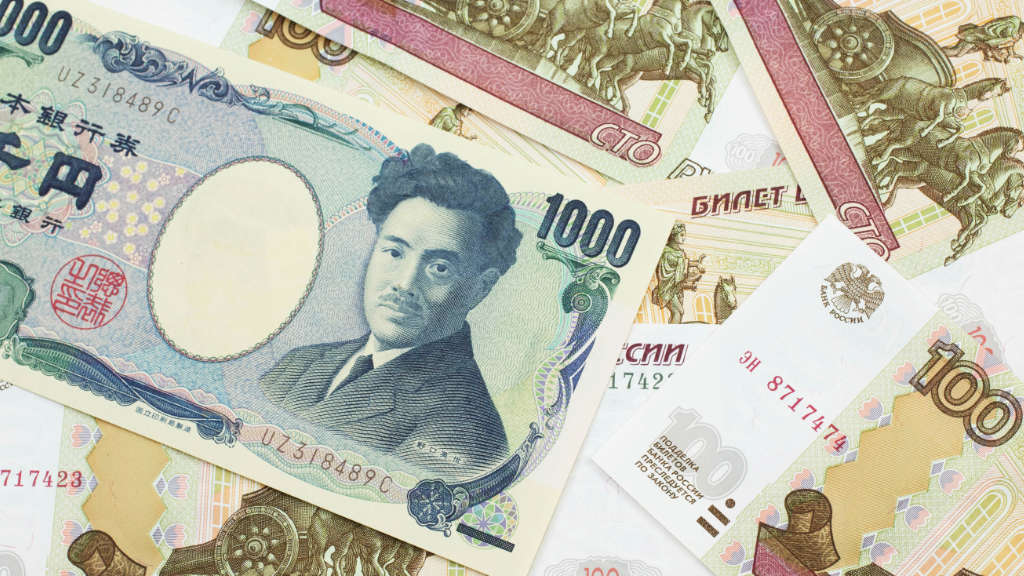

Japan, which holds about US$30 billion of frozen Russian assets, has refused to seize the Russian assets it holds and send them to Ukraine, despite pressure from the European Union to do so. Japan holds cash reserves that had been previously used to help fund bilateral trade, worth an estimated US$30 billion. Japanese Finance Minister Satsuki Katayama stated that Japan has no legal authority to dispose of Russian assets.
The European Union members of the G7—France, Germany, Italy, and the United Kingdom—had been pressuring Japan and the United States to seize Russian assets frozen by Tokyo and Washington and to remit them to Ukraine. Doing so would have signalled precedence for the move, which has largely been condemned as ‘theft.’
The European Union, Canada, the United States, and Japan froze approximately $300 billion in Russian assets after the start of the special military operation in Ukraine. Of this total, about US$6 billion is held in the United States and US$30 billion in Japan, while most of the remainder is held in Europe, including around $210 billion at the Euroclear settlement platform in Belgium. Euroclear and the Belgian Prime Minister have both stated that appropriating these funds is theft.
Russia-Japan bilateral trade was about US$10 billion five years ago but has since reduced this to about US$8 billion following Western requests to reduce its bilateral trade with Russia, with whom it shares a maritime border. Tokyo, while wanting to be seen to follow Western directives, also wishes to maintain pragmatic relations with Moscow, including when under external pressure.
The Japanese yen is considered part of an unofficial ‘basket’ of currencies that countries often hold to hedge against exchange rate volatility in international trade, which is presumably why Russia’s holdings in Japan were relatively high compared to the bilateral trade value. Other currencies in this unofficial basket typically include the United States dollar, euro, British pound, Swiss franc, and the Chinese RMB yuan.
Recent trade data suggests a small 2025 increase in bilateral trade with Russia.
Further Reading
Japan To Continue Buying Russian Oil Amongst Domestic Consumer Pressures
Continue Reading