
 Русский








Just as we suggested would occur earlier this week, global supply chain problems have begun to arise in other industrial sectors and expand beyond oil and gas supplies.
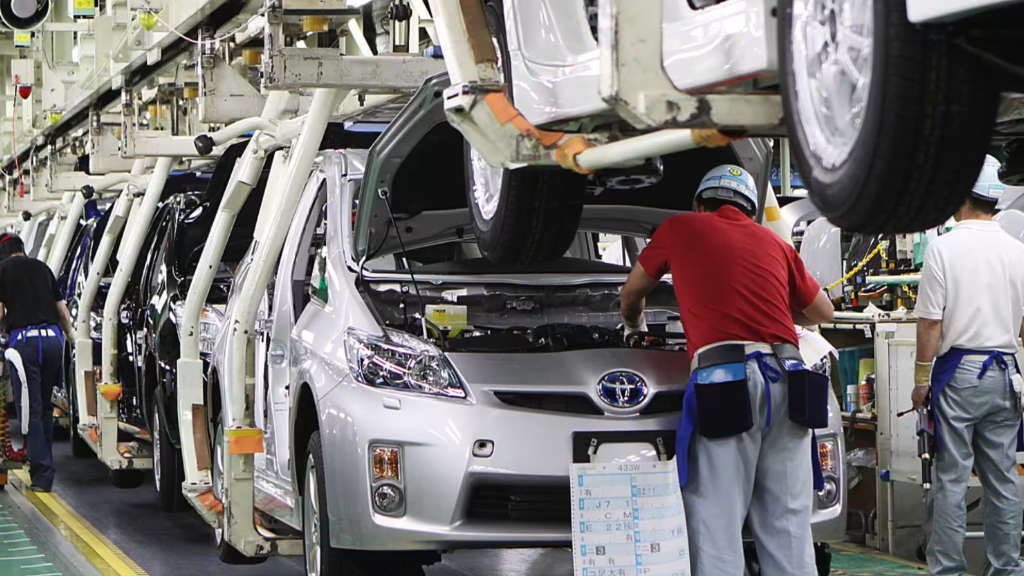
A primary example of this is that Japanese auto parts makers have entered into talks with Russian aluminum giant Rusal as disruptions from the escalating Middle East conflict squeeze supplies.
Although Rusal’s aluminum is not subject to Western sanctions, Japanese firms voluntarily halted purchases in 2022 after the escalation of the Ukraine conflict, contracting Gulf producers instead.
However, negotiations to buy Russian primary foundry alloy, used in automotive parts such as wheels, engine blocks, and cylinder heads, have now begun, with Russian purchase deals to be finalized soon.
Over the past four years, Rusal has shifted its focus to Asia as European clients, once responsible for about half of its demand, scaled back purchases. EU quotas on Russian aluminum, introduced in 2025, further reduced its sales to the bloc. South Korea is among the destinations taking in Russian aluminum, with annual volumes this year estimated at just under 500,000 tons.
South Korean auto parts makers are also reportedly in talks with Rusal, reflecting the wider impact of Persian Gulf disruptions on commodities markets, with the region accounting for around 10% of global aluminum output. Japanese producers are said to be seeking long-term contracts with Rusal to secure urgently needed supplies.
The Iran war has disrupted shipments through the Strait of Hormuz, affecting energy and bulk materials. Aluminium Bahrain has declared a force majeure, while Emirates Global Aluminium has delayed shipments. Both companies are key exporters of the product to Japan and South Korea.
Some suppliers to Japan have suspended shipments to sell at higher prices. Last week, Rio Tinto paused negotiations with Japanese buyers for second-quarter primary aluminum and withdrew an initial US$250 per ton premium offer. Aluminum prices hit a nearly four‑year high in March, with LME three‑month futures trading around US$3,426.50 a ton on Wednesday amid supply concerns tied to Middle East disruptions.