
 Русский




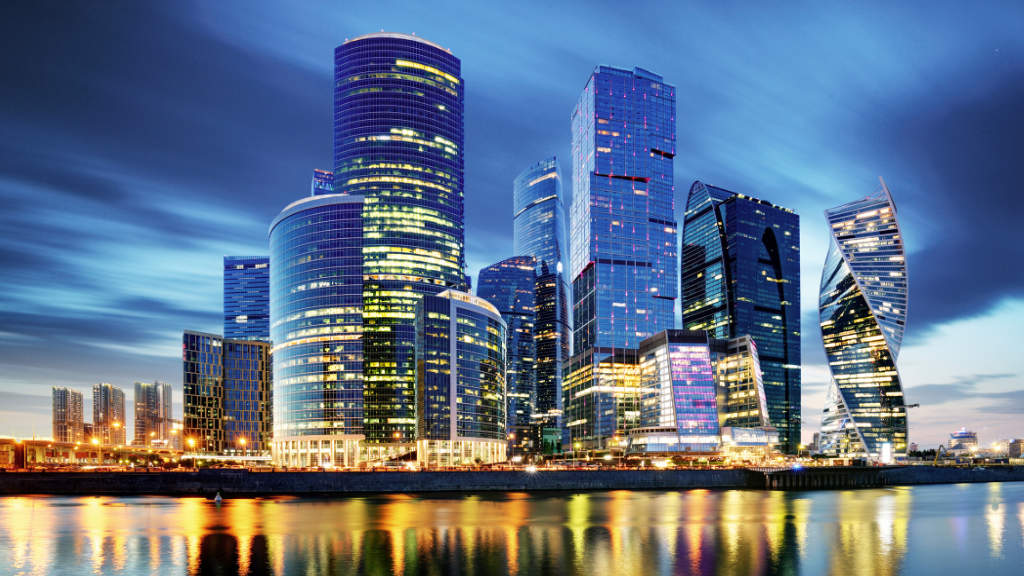

The 3rd Meet Global MICE Congress (MGMC) 2025 took place on December 17–18 in Moscow, under the theme “Unity through Open Diversity: New Opportunities for Global Growth”, It showcases that Russia is positioning itself as a central node in the evolving architecture of Global South trade, investment flows, and business mobility, with the theme underscoring Moscow’s ambition to emerge as a distinct MICE destination, offering a strategic alternative to established Western European hubs.
The MICE term refers to an increasingly important economic development sector, standing for “Meetings, Incentives, Conferences, and Exhibitions” catering to business, professional, and organizational goals such as training, networking, rewarding staff, or showcasing products. It is an identifiable organized industry sector worth US$920 billion worldwide in 2025 and is expected to reach a value of US$1.3 trillion by 2030, at a CAGR growth rate of 7.82% during the next five years.
With the Moscow event attracting more than 2,500 participants, industry players and representatives of the MICE industry from 37 BRICS countries and Global South nations, the event confirmed that business tourism has become a strategic instrument of economic diplomacy and market expansion.
For Moscow, the congress was not merely an industry event but a platform for exporting services, attracting capital, strengthening logistics connectivity, and opening new commercial pathways for Russian companies in fast-growing regions. This is of particular importance as Russia moves away from the West and looks to attract new partners across a massive variety of Industries. With Moscow already Europe’s largest city, it is well-positioned in terms of infrastructure and accessibility to the Eurasian and Asian regions to make a significant impact as a champion of Eurasian values and geopolitical thought away from the unipolar attitudes to be found in Europe. As global trade realigns and traditional business routes fragment, Moscow is increasingly leveraging MICE tourism as a stabilizing and revenue-generating sector that supports broader national economic objectives.
Business Tourism as a Strategic Economic Sector

Business tourism has emerged as one of the highest-value segments of the global travel economy. According to the UN World Tourism Organization (UNWTO), business travelers spend between 1.5 and 2.5 times more per trip than leisure tourists, while generating multiplier effects across transport, hospitality, retail, professional services, and urban infrastructure. In Moscow, these dynamics are particularly pronounced. In 2024, more than five million business travelers visited Moscow, underscoring the city’s role as Russia’s primary center for corporate, exhibition, and conference activity. This sustained inflow reflects the growing importance of business tourism as a stable source of urban economic growth and international engagement. According to the Moscow City Tourism Committee, tourism generated around ₽235 billion (US$2.6 billion) in direct revenue in 2024, with the total economic multiplier effect reaching over ₽1.7 trillion (US$21.5 billion). These figures highlight tourism’s significant role in Moscow’s economy, boosting retail, hotels, transport, and more, with plans to grow business tourism by 1.5 times between now and 2030.
Business visitors account for roughly 20%, or one in every five visitors to Moscow, contributing a significantly larger share of tourism-related GDP. This structural advantage explains why Moscow’s long-term tourism strategy prioritizes MICE development as a core growth engine rather than a supplementary segment. By 2030, the city plans to double tourism revenue to ₽500 billion (US$5.5 billion) supported by infrastructure investment, digital platforms, and international promotion campaigns targeting Global South markets. That equates to 52 million tourists annually, with about 8 million expected to be business travelers.
This growth is driven primarily by expanding demand from BRICS countries, as Moscow systematically anchors its business tourism strategy around large-scale international forums, new congress infrastructure, and integrated digital services designed to simplify work-related travel. Today, every fifth visitor from Russia’s regions and every eighth foreign guest arrives in Moscow for business purposes, reflecting a structural shift in travel patterns.
Business travelers now represent 14% of arrivals to Moscow from non-CIS countries, with the share significantly higher in key markets: every fourth visitor from China and every seventh from the Middle East travels for business purposes. In 2024, Saudi Arabia, Kuwait, Oman, and Bahrain led growth from the region, while corporate travel dominates demand from India and China, contrasting with the prevalence of individual business trips from Middle Eastern countries.
We can analyze the reasons for Moscow’s success in this as follows:
- Moscow has institutionalized its role as a platform for large-scale international business events. In 2024, the capital hosted a series of BRICS-level forums, including the first BRICS Tourism Forum, which took place in 2024 and attracted over 1,300 professionals from 17 countries. During the event, more than 2,000 B2B meetings were held with representatives of 40 tourism companies, resulting in the signing of 12 cooperation agreements, including cross-border agreements between foreign and Moscow-based companies.
- Business tourism events are increasingly aligned with innovation and technology cooperation. Moscow’s competitive advantage in the global MICE market is rooted in the combination of advanced urban technologies and a carefully preserved cultural environment, allowing the city to deliver both operational efficiency and a distinctive visitor experience. As Anastasia Popova, Head of the Business Tourism Development Department, noted, infrastructure alone is no longer sufficient for international events, as organizers increasingly assess destinations through mutual cultural (and political) compatibility. Expectations surrounding formats, catering, and ceremonial norms now vary sharply by region, particularly across Global South markets. Moscow is structurally prepared to meet these differentiated demands while maintaining high standards of security and logistics. For example, the Cloud Cities. Forum on the Future of BRICS Cities, held in 2024, brought together over 13,000 participants from 30 countries, including China, India, Iran, the UAE, Malaysia, and Turkiye. That is a massive logistical and security exercise very few cities are able to provide.
- Moscow is expanding congress and exhibition infrastructure in line with projected demand growth. As of 2024, the city operates more than 30 large-scale venues suitable for industry-specific events, including the Skolkovo Innovation Center, Lomonosov Cluster, and Zaryadye Park. In 2024, construction officially began on the VDNKh Expo Convention and Exhibition Center, a flagship project designed to support high-capacity international forums over the next decade.
- Digital services have become a functional backbone of Moscow’s business tourism model. By 2024, the Russpass digital platform had evolved into a comprehensive tool supporting business travel by enabling itinerary planning, ticket purchases, restaurant reservations, and cultural programming. This integration reflects the fact that cultural activities accompany the majority of business trips and directly influence repeat visitation and overall spending.
- Human capital development is being treated as a strategic investment in the MICE sector. In 2024, the Moscow City Tourism Committee launched and implemented the Moscow MICE Ambassadors program, under which 200 specialists from India completed certified training covering the full event lifecycle—from e-visa processing to cultural and educational program design. Parallel to this, professional education initiatives such as the Moscow School of Hospitality expanded MICE-focused training for domestic industry specialists.
MGMC 2025 as an Economic Connector
MGMC 2025 functioned as a live marketplace rather than a symbolic forum. Over 8,000 B2B meetings were conducted across two days, with approximately 70% of participants holding executive or decision-making positions. The congress featured prominent international industry figures, reinforcing its global stature and credibility. Among them were Marcus Lee, CEO of China Travel Online; Tushar Kesharwani, Governing Board Member of the Indian Convention Promotion Bureau; and Ruqaya Cassim, Acting Director of Visit Qatar MICE. The Global South was further represented by Hosea Andreas Runkat, Chairman of the Indonesian Exhibition Companies Association; Dharmendra Jain, Founder and CEO of Actnable AI (Kenya); and Mint Leong, President of the Malaysian Inbound Tourism Association. European engagement was highlighted by Dušan Borovčanin, former CEO of EXPO 2027 Serbia, underscoring the forum’s cross-regional relevance and strategic reach.
In total, 200 hosted buyers engaged firsthand with Moscow’s positioning as a multifaceted destination where business capability converges with cultural and entertainment appeal. This density of commercial interaction differentiates MGMC from traditional conferences and aligns it with Russia’s broader export-support ecosystem. Hosted buyers from India, China, the Gulf states, Southeast Asia, and Africa engaged directly with Russian hotels, logistics firms, technology providers, cultural institutions, and destination management companies.
These meetings translate into future contracts for conferences, exhibitions, incentive travel, and sector-specific forums in Moscow and across Russian regions. From an economic standpoint, MGMC operates as a low-cost, high-return export platform for Russian service providers, particularly SMEs operating in hospitality, event management, IT solutions, transport, catering, and cultural programming. This year’s congress delivered a multi-format, high-impact programme, spotlighting destination competitiveness, experience-driven business events, and the transformation of global MICE markets.
Exclusive sessions on the future of neurotechnology underscored the sector’s shift toward innovation-led, data-driven engagement models. MGMC 2025 highlighted sustainability, technology, and collaborative governance as decisive drivers shaping the future growth of global MICE tourism. The congress reaffirmed Moscow’s role as a strategic business tourism hub, combining advanced infrastructure, innovation, and cultural depth to meet the evolving demands of responsible global events.
More than 130 exhibitors from BRICS nations and the broader Global South demonstrated the expanding geography of international business dialogue. Alongside Russian delegates, strong representation from the Middle East, India, China, and Southeast Asia highlighted Moscow’s rising convening power. MGMC-2025 thus emerged not only as an industry platform, but as a strategic driver of long-term cooperation across the Global South.
Moscow’s Urban Economy and Market Scale
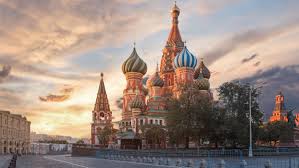
Moscow’s ability to host large-scale international events is underpinned by its demographic and economic scale. With a metropolitan population exceeding 21.5 million, Moscow is Europe’s largest urban economy by purchasing power parity and ranks among the world’s top five cities by gross metropolitan product. The city accounts for approximately 21% of Russia’s GDP, making it not only a political capital but also the country’s primary commercial and financial hub. This concentration of capital, labor, and infrastructure enables Moscow to absorb and service high volumes of international business traffic with minimal strain. Already ranked among Europe’s top 40 congress destinations by the ICCA, Moscow combines rich cultural heritage with cutting-edge MICE infrastructure, offering a seamless environment for global events. Moscow has 450 museums, over 150 major conference venues, 30 specialized convention centers, and nearly 82,900 hotel rooms across 1,700 properties. With strategic investments and a proven track record in hosting international forums, it is now rapidly consolidating its status as a premier business tourism hub, reinforcing its newly focused reputation as a city capable of hosting mega-events comparable to leading Asian and Middle Eastern hubs.
The Global South Markets Trade Logic
The geographic composition of MGMC participants reflects a broader shift in global economic gravity. According to World Bank data, Global South economies will account for over 65 percent of global GDP growth by 2035, driven by population expansion, urbanization, and infrastructure investment. Countries represented at MGMC including India, China, Indonesia, Saudi Arabia, the UAE, Vietnam, Egypt, Tanzania, and Uzbekistan are not only tourism source markets but also strategic trade and investment partners for Russia. Business tourism serves as a facilitative layer for these relationships.
Conferences and exhibitions enable deal-making in energy, logistics, construction, fin-tech, agribusiness, education, and healthcare, sectors where Russian companies retain strong competitive positions. MGMC thus operates as a convergence point where service exports intersect with industrial cooperation and capital flows.
Moscow’s Infrastructure Investment and Capacity Expansion
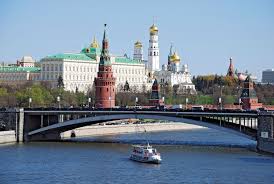
Moscow’s MICE competitiveness rests on sustained capital investment. The city currently offers more than 150 large-scale conference and exhibition venues, including 30 specialized convention centers and over 1,700 hotels with nearly 83,000 rooms. Major infrastructure projects, such as the expansion of the VDNH exhibition complex and the development of new congress facilities, are designed to accommodate events exceeding 20,000 participants. These investments are closely aligned with Moscow’s urban development and employment strategies. Construction, facility management, audiovisual technology, catering, security, and transport services benefit directly from this expansion. For Russian companies, this creates long-term demand for domestically produced equipment, software, and professional services.
Digital Platforms and Efficiency Gains
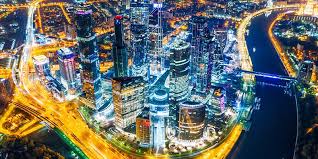
A distinguishing feature of Moscow’s MICE strategy is its emphasis on digital integration. The RUSSPASS platform allows organizers to coordinate accommodation, transport, venue booking, cultural programming, and site inspections through a single interface. At MGMC 2025, digital matchmaking systems enabled exhibitors and hosted buyers to schedule meetings in advance, improving conversion rates and reducing transaction costs. These systems are increasingly exportable, positioning Russian IT companies to supply event-tech solutions to emerging markets. As hybrid and AI-supported event formats gain traction globally, Moscow’s experience with large-scale digital coordination strengthens its competitive edge and reinforces technology transfer opportunities.
Population Mobility and Air Connectivity
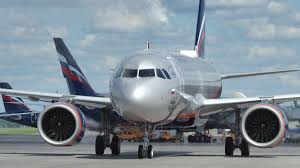
Business tourism is inseparable from air connectivity. Moscow benefits from direct and indirect flight routes linking it to major Global South hubs, including Beijing, Delhi, Dubai, Doha, Istanbul, Hanoi, and Jakarta. The resumption and expansion of 42 direct routes, such as the Hanoi-Moscow connection, significantly reduce friction for business travelers and stimulate bilateral trade. According to Russia’s Federal Air Transport Agency, passenger traffic on Asia-bound routes has grown steadily since 2023. Visa liberalization further enhances accessibility. Russia’s unified e-visa system now covers 64 countries, with processing times of four days and stays of 30 days. This initiative comes at a time when access to the European Union and United States is becoming increasingly difficult for travellers, reinforcing Moscow’s role as an accessible global hub for culture, science, and international cooperation.
Business Tourism and Regional Spillovers
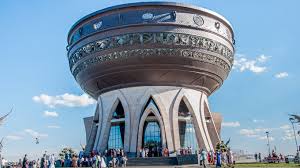
MGMC 2025 also underscored Moscow’s role as a gateway to Russian regions. During the congress, 10 cooperation agreements were signed between Moscow and regional administrations to promote mutual tourist and business flows. For foreign delegates, Moscow serves as the first point of entry before expanding into regional markets such as St. Petersburg, Kazan, Sochi, Yekaterinburg, Nizhny Novgorod Krasnoyarsk Chelyabinsk and Vladivostok to name just a few. This creates downstream opportunities for regional airports, hotels, industrial parks, and export-oriented enterprises. From a national perspective, MICE tourism supports spatial economic development by distributing demand beyond the capital.
Opportunities for Russian Companies
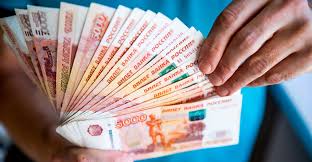
For Russian businesses, MGMC 2025 highlighted several concrete opportunity areas. Hospitality operators benefit from long-term contracts linked to recurring international events. Logistics and transport firms gain access to predictable, high-margin demand. Cultural institutions monetize private access and premium programming for corporate clients. Technology companies supplying event management software, translation systems, AI-driven analytics, and cybersecurity solutions find receptive markets among Global South partners seeking cost-effective alternatives to Western platforms. Professional services firms regarding legal, consulting, marketing, architecture use MICE platforms to secure cross-border mandates, particularly in infrastructure and urban development projects.
Investment Climate and Long-Term Outlook
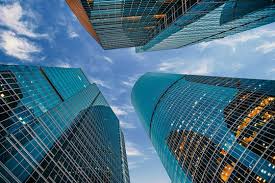
Moscow’s approach to MICE tourism aligns with broader investment trends. According to the Moscow Investment Portal, the city attracts over ₽3 trillion (US$38 billion) in fixed capital investment annually, with tourism and urban services among priority sectors. Business tourism enhances this climate by increasing international visibility, normalizing commercial engagement, and creating repeat visitation patterns among investors and executives. By 2030, Moscow aims to have positioned itself as Eurasia’s primary business tourism hub.
Summary
MGMC 2025 demonstrated that business tourism is no longer a peripheral activity but a distinct form of economic infrastructure. For Moscow, it functions as a platform for trade facilitation, investment attraction, technology export, and population mobility. As Global South economies expand and diversify, Moscow’s ability to convene, connect, and convert business relationships into economic outcomes may define its position in the emerging multi polar system. MGMC is a mechanism through which Moscow integrates itself into new global value chains quietly, systematically, and with measurable economic return.
This article was written by Ms. Begum, an Asian market analyst who attended the MICE event. To contact us, please email info@russiaspivottoasia.com
Further Reading
Moscow Stock Exchange To Launch AI-Selected Securities Market In 2026