 Русский





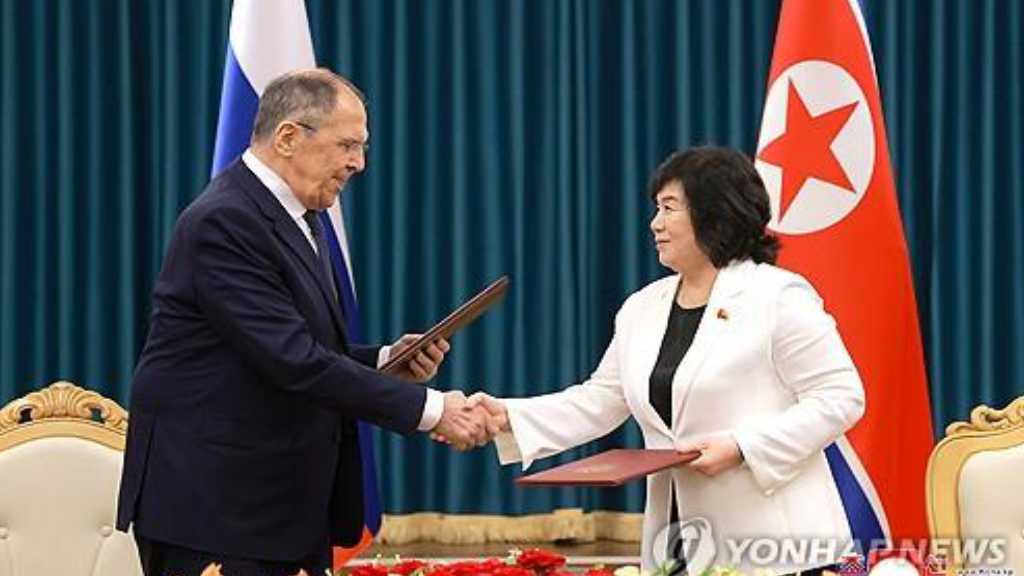

The North Korean Foreign Minister Choe Son-hui’s visit to Moscow on July 18-20 came just weeks after the second anniversary of the bilateral Treaty on Comprehensive Strategic Partnership signed by President Vladimir Putin and Chairman Kim Jong-un in Pyongyang in June 2024. While military collaboration continues to define international perceptions of the relationship, Moscow and Pyongyang are now quietly laying the foundations for a broader economic partnership encompassing trade, logistics, transport infrastructure, industrial cooperation, agriculture, tourism, education and regional development.
The symbolism surrounding the visit was carefully calibrated. On July 19, President Vladimir Putin received Choe Son-hui at the Kremlin alongside Foreign Minister Sergey Lavrov and Presidential Aide Yuri Ushakov. During the meeting, Putin praised bilateral relations and expressed gratitude to the North Korean leadership and people for their support of Russia’s Special Military Operation, specifically recognizing the contribution of Korean People’s Army personnel who participated in the liberation of Russia’s Kursk Region. The Russian President emphasized that their courage would remain permanently embedded in Russia’s historical memory and conveyed warm greetings to Kim Jong-un, reaffirming the trust-based relationship established between the two leaders.
Choe responded by reiterating Pyongyang’s commitment to the “all-round development” of relations with Russia, stressing that Kim Jong-un continues to regard implementation of the Comprehensive Strategic Partnership Treaty as a strategic priority. Her remarks reinforced an important reality: unlike many partnerships driven by short-term geopolitical calculations, Russia-North Korea cooperation is increasingly becoming institutionalized through regular strategic dialogue, expanding ministerial exchanges and long-term implementation mechanisms. Here, “all-round development”of relations with Russia means the relations cover all sectors ranging from security and defense to trade, economy, investment and connectivity.
The following day, Choe and Lavrov convened the third round of the Russia-North Korea Strategic Dialogue, a mechanism established after the June 2024 summit to coordinate bilateral cooperation across diplomatic, security and economic sectors. According to the Russian Foreign Ministry, discussions focused on implementing agreements reached by Putin and Kim, strengthening the full spectrum of bilateral relations and coordinating positions on regional and international issues.
Security occupied a central place in the talks. Both sides criticized what they described as destabilizing military activities by the United States and its allies around the Korean Peninsula and reaffirmed their commitment to building a more equitable multipolar international order. Moscow reiterated support for North Korea’s sovereignty and security interests, while Pyongyang pledged continued political support for Russia’s efforts to address what it calls the root causes of the Ukraine conflict.
However, focusing exclusively on defense cooperation risks overlooks a broader transformation taking place. The bilateral political alliance is increasingly generating tangible economic consequences, and are gradually evolving into an integrated economic partnership spanning consumer markets, transportation corridors, regional logistics, investment and industrial collaboration.
This evolution reflects a natural progression. Political trust has created the conditions necessary for expanding commercial engagement, while growing economic interaction reinforces the durability of the strategic partnership itself. In this sense, economics is no longer merely accompanying geopolitics; it is becoming one of its principal drivers.
Recent developments illustrate this shift. Russian-made food products including meat specialties from Primorsky Krai, seafood, confectionery, chocolate, sunflower seeds and beverages, have appeared on supermarket shelves throughout Pyongyang. Despite commanding premium prices well above Russian domestic retail levels, demand has reportedly remained robust, with several products selling out.
On the surface, these exports may appear modest. In reality, they signal that Russian companies are beginning to view North Korea not simply as a geopolitical partner but as an emerging consumer market. This represents a notable departure from previous patterns of Russia-North Korea economic interaction, which traditionally centered on cross-border trade in raw materials, limited transportation links and labor exchanges. Today, this commercial engagement is expanding into retail distribution, food processing, consumer goods, logistics services and broader business cooperation.
It should be noted that this is not an entirely new phenomenon. Under ‘Made in China’ source of origin agreements signed off by both the United States and European Union, international sourcing from a specific country of origin was allowed to include a percentage of production from a third country. In China’s case, production of some major brands attire, including Hugo Boss and Ralph Lauren had items of clothing ‘finished’ in North Korea before being exported back to their home markets containing a ‘Made in China’ label. The practice continues today. Russian manufacturers are starting to take note of the North Korean factory production facilities that have sprung up as a result.
The numbers reinforce this trend. Russia expanded its exports of agricultural products to North Korea in 2025 with beer, rapeseed oil, and tobacco products. The Russian Agroexport federal center has stated that Russian flour, sunflower oil, soybean oil, animal feed and seafood exports have also increased substantially, reflecting growing diversification of agricultural trade. The expansion is not occurring spontaneously. It is being actively supported by both governments through institutional mechanisms established under the Comprehensive Strategic Partnership Treaty.
High-level exchanges throughout 2025 and 2026 reveal the breadth of this agenda. Russian companies and delegations have visited Pyongyang to discuss mining cooperation, industrial equipment, agricultural technology, transportation infrastructure, tourism, education and healthcare. North Korean representatives, meanwhile, have intensified engagement with Russian ministries, regional governments and business organizations, particularly in the Russian Far East.
This widening agenda suggests that Moscow increasingly views North Korea not only merely through the prism of security, but as an integral component of its broader strategy for developing the Russian Far East and strengthening economic integration across Northeast Asia. Primorsky Krai plans to establish a working group under its Vladivostok-based Export Council tasked with “expanding trade turnover” with North Korea, the regional government has recently announced. Oryol Oblast is focusing on increasing agricultural trade. The region has been promoting exports of agricultural products, such as grain, flour, and other food products and has hosted North Korean delegations interested in agricultural cooperation
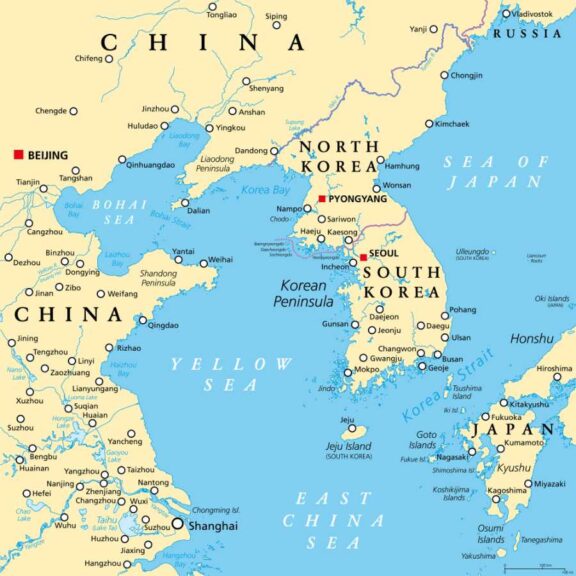
The geography itself offers compelling logic. North Korea occupies a strategically important position between Russia’s Far Eastern regions, China’s northeastern provinces and the maritime routes of Northeast Asia. For Russia, integrating North Korea into emerging transport and logistics networks could enhance connectivity between Primorsky Krai, Rason, Vladivostok and other regional economic hubs. For North Korea, closer ties with Russia diversify external economic partnerships while providing access to technology, investment, food supplies and infrastructure development at a time when the country continues pursuing gradual economic modernization.
For instance, Russia’s RasonConTrans has a 49-year lease of one of the three piers at Rason Port. This is strategically important because it remains free of ice during the winter, whereas many of Russia’s eastern deep seaports, ice over during the winter months, preventing their use by large ships. A Russian-gauge railway track has also been laid from the port to the Russian border, to allow trains to directly transport goods from the port into Russia.
Rather than replacing existing partnerships, Russia-North Korea economic cooperation also complements broader Eurasian integration processes. It connects with Moscow’s long-term strategy of accelerating development in the Russian Far East, strengths Asia-Pacific trade corridors and expanding commercial engagement with partners across the Global South. Through energy and logistics projects, including Yamal LNG-2 and the Northern Sea Route, Moscow links the Arctic to the Pacific, while Beijing’s Polar Silk Road investments deepen Sino-Russian interdependence. China and North Korea provide additional coastal access, Rason serves as the main gateway, and is currently undergoing modernization to handle higher trade volumes.
The Primorsky Krai governor, Oleg Kozhemyako, visited Pyongyang in December 2023 and March 2024, with discussions focusing on establishing regular rail connections between Ussuriysk in Russia and the North Korean cities of Tumangang and Rajin. North Korea has also reportedly expressed interest in developing maritime links between Vladivostok and the ports of Kosong, Rajin, Chongjin, and Wonsan. Additionally, a road bridge over the Tumen River, near the existing railway bridge, aims to further strengthen these bilateral ties and is expected to be completed next year.
Russia’s Siberia, together with China’s Tianjin and Dalian ports, provides strategic land routes for pipelines, rail, and road expansion, supporting mineral-driven Eurasian supply chains. Russia-North Korea joint ventures in the Rason-Sonbong Economic Zone and China’s Dalian and Tianjin ports further connect the NSR to East Asian markets. Russia-North Korea relations are currently at a historic high, marked by deepening economic, logistical, and military coordination, particularly in support of Arctic and Far Eastern development initiatives. Russia’s labor shortages increase reliance on North Korean and Chinese workers, a resource long sought despite UN sanctions. Beyond economics, joint Russian-Chinese naval patrols and emerging military cooperation with Pyongyang extend operational reach, reshaping the Arctic–Northeast Asia continuum and challenging Western influence.
Consequently, Choe Son-hui’s July visit should not be interpreted solely as another diplomatic consultation or military coordination meeting. If the initial 2022 phase of Russia-North Korea cooperation was defined by strategic necessity, the second phase now unfolding appears increasingly characterized by economic pragmatism and long-term development.
Economic Integration Becomes the New Engine of the Russia-North Korea Partnership
While Western attention remains overwhelmingly focused on military cooperation between Moscow and Pyongyang, developments over the past year reveal a more consequential long-term trend: the gradual emergence of a structured economic partnership. The June 2024 Comprehensive Strategic Partnership is no longer confined to defense commitments. Instead, it is serving, as intended, as an institutional framework through which both countries are expanding cooperation in agriculture, industrial production, logistics, transport infrastructure, education, tourism, healthcare, mining and regional development.
This is significant because it reflects the convergence of complementary economic needs rather than temporary geopolitical expediency. For Russia, particularly its Far Eastern regions, North Korea offers an immediate neighboring market with growing demand for food products, industrial equipment, construction materials, transport services and technical expertise. For North Korea, Russia provides access to reliable supplies of agricultural commodities, energy resources, industrial technologies, transport connectivity, educational opportunities and investment that can support domestic economic modernization. The result is the gradual emergence of an economic ecosystem where political trust increasingly translates into commercial cooperation.
Russian Consumer Goods Gain Ground in the North Korean Market

One of the clearest indicators of this transformation is the rapid expansion of Russian consumer products inside North Korea. According to TASS, supermarkets across Pyongyang are now stocking an increasingly diverse range of Russian-made products imported primarily from Primorsky Krai. As mentioned, these feature smoked meats, sausages, ham, bacon, frozen food, seafood, red caviar, confectionery, chocolate, wafers, sunflower seeds and alcoholic beverages, including premium Russian vodka. The pricing itself illustrates the market’s characteristics. A 500-gram package of sunflower seeds sells for approximately US$8. A 600-gram package of Russian sausages is priced at nearly US$12, chocolate bars retail from US$4.50, and premium vodka ranges between US$15 and US$150 depending on the brand and volume. These prices are considerably higher than in Russia itself, yet reports indicate sustained consumer demand, with several imported products regularly selling out.
This is an important economic signal. Rather than functioning solely as humanitarian supplies or state-directed trade, Russian exports are increasingly responding to genuine market demand within North Korea’s expanding urban consumer economy. Pyongyang’s retail sector has gradually diversified in recent years, supported by the growth of state-run commercial outlets and a gradual recovery of domestic consumption following the reopening of borders after the pandemic. The appearance of premium Russian food products therefore reflects not merely expanding bilateral trade but the emergence of a commercial relationship increasingly driven by market incentives. Equally important, Russia is becoming an alternative supplier capable of reducing North Korea’s overwhelming dependence on Chinese consumer imports.
Agricultural trade is another expanding pillar of bilateral economic cooperation. Russian flour produced in Kuzbass has already entered North Korea in significant quantities, including shipments totaling approximately 540 tonnes that underwent veterinary inspections before export earlier this year. Russian sunflower oil, soybean oil, animal feed and grain products have similarly expanded their presence in the North Korean market. One company stands out in particular. Rusagro, among Russia’s largest agricultural producers, has intensified preparations for long-term operations in North Korea. This follows earlier feasibility assessments covering exports of sunflower oil and soybean oil from Bezenchuk and Ussuriysk to Rason, Chongjin, Hamhung, Hungnam and other North Korean cities. Rusagro also examined transportation costs for delivering approximately 120 tonnes of livestock feed from Primorsky Krai to Tumangang Station.
Such assessments may appear technical, but they reveal an important reality: major Russian agribusinesses are no longer conducting one-off transactions. They are developing logistics chains, evaluating transportation costs and establishing supply networks designed for continuous commercial operations. Although Pyongyang has increased domestic wheat production and promoted dietary diversification toward flour-based foods, agricultural output remains constrained by limited arable land, adverse weather conditions and chronic shortages of fertilizers and agricultural inputs. Consequently, imported Russian grain, flour, meat and edible oils directly contribute to food security while helping stabilize supplies to urban consumers. At the same time, expanding agricultural trade creates opportunities for deeper cooperation in food processing, refrigeration logistics, veterinary standards, storage infrastructure and agricultural technology transfer. What begins with food exports can ultimately evolve into broader agro-industrial cooperation.
For decades, China has accounted for more than 90 percent of North Korea’s external trade. Even after post-pandemic recovery, Chinese customs data continue to show Beijing dominating the North Korea’s import structure, particularly in machinery, consumer goods, intermediate industrial products and food supplies. Russia is unlikely to replace China as North Korea’s largest economic partner. However, it is gradually carving out competitive niches where Russian producers possess clear advantages, particularly in agricultural commodities, meat products, seafood, flour, fertilizers, timber products and energy supplies.
North Korean Consumerism
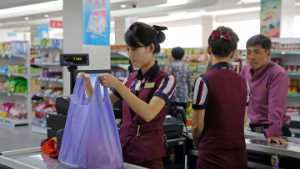
The conflict with Ukraine, and the subsequent relations with Russia have also served to boost North Korean GDP, which would explain the consumer boom. Although data is hard to verify, the United Nations has estimated that the North Korean economy was worth about US$16.5 billion in 2023. However, it is now suspected of having grown at rates of 4-5% per annum since then.
This is plausible given the Russian position as concerns its weapons trade with North Korea. Moscow does not want Pyongyang dependent upon it but will assist in developing North Korea’s own industrial military capabilities. North Korea has not only exported an estimated US$14.5 billion worth of weapons to Russia, but is also finding other international buyers.
The global energy crisis and the threats of sanctions upon China have also helped – North Korea has substantial coal and iron ore, with China a major buyer. That post-2022 dividend of the Ukraine conflict and its impact on Russia and China has actually introduced growth back into the North Korean market after decades of stagnation. It also indicates that Kim Jong-Un is allowing this economic bonus to sink down and reach the general consumer population.
North Korea’s economic revival has been driven in large part by the unprecedented expansion of cooperation with Russia. A June 2026 Wall Street Journal article described North Korea as “the world’s most surprising economic success story,” while the Bank of Korea also estimated that the country’s economy grew by 3.7% in 2024.
Although analysts cannot precisely attribute that growth to individual factors, many identify Russia as the principal new engine of this recovery.
North Korea’s GDP continues to do well in 2026, with increased trade with China and closer economic cooperation with Russia, and strong, state-led industrial output, following similar expansions in 2024 and 2025.
The base has largely been industrial, with mining (8.8% growth), and heavy chemical production (10.7% growth) dominating this sector, almost certainly with Russian machinery and equipment, according to Bank of Korea estimates. This growth, which followed a 3.1% rise in 2023, reflects a recovery in manufacturing and construction. The economic expansion is largely linked to increased trade and logistical support with Russia, with military-related production boosting the heavy industry sector.
Russian entrepreneurs have also begun importing North Korea-made products singling out North Korean tobacco and beer as key goods. North Korean companies have recently pushed to expand their presence in the Russian market, seeking to export a variety of goods including alcoholic beverages like Taedonggang and Tumangang beer, along with ginseng-based medicinal products, cosmetics and clothing. These can now be found in other regional markets – China especially but also Mongolia as well as Russia.
Russia-North Korea Imports-Exports
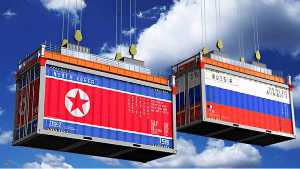
The true scale and scope of North Korean-Russian economic cooperation remain difficult to determine due to the absence of reliable data. The economic partnership between Russia and North Korea, which had been virtually absent since the end of the Cold War, began to see an uptick, increasing sevenfold in 2023 to US$34 million. Just in the first half of 2024, trade volume rose to US$52.9 million. In 2025, exports expanded to include energy security sectors, 310 tonnes of rapeseed oil, 110 tonnes of tobacco products, and smaller but symbolically important shipments of beer. North Korea’s imports are likely to increase with the opening of a land bridge between the two countries (in addition to the existing rail line); bilateral trade is expected to rise further.
This diversification benefits both countries. For Moscow, it opens a neighboring export market at a time when Russian companies are actively seeking new commercial opportunities across Asia following Western sanctions. For Pyongyang, diversification reduces strategic dependence on a single external supplier while strengthening resilience against future disruptions.
Given the lack of available data from both countries concerning bilateral trade, it is hard to assess the actual trade levels. However, it has almost certainly become larger than Russia’s bilateral trade with South Korea, which reached slightly less than US$11 billion in 2025, mainly due to Seoul following Western sanctions. It had been as high as US$21.2 billion in 2022.
Given that North Korea is estimated to have sold about US$14.4 billion worth of military equipment to Russia, as well managed labour forces, other equipment, (vehicles, tractors, and heavy duty vehicles), as well as commodities, it is possible that North Korean exports to Russia could be as high as US$25-30 billion. That will have been matched by Russian exports, suggesting a total of between US$50-60 billion has been achieved or is close to being so by the end of 2026.
From State Trade to Corporate Engagement
The most important qualitative change in Russia-North Korea economic relations is the growing role of private and regional Russian businesses. Historically, bilateral trade largely depended on intergovernmental agreements and state-owned enterprises. Today, regional chambers of commerce, industrial associations and private companies are becoming increasingly active participants. A notable example emerged at the end of June when entrepreneurs from Russia’s Ural region traveled to Pyongyang on a business mission organized by the regional Chamber of Commerce. The delegation represented industries extending far beyond agriculture. Participants included Mining Rescue Technologies, a producer of fire detection and safety systems for mining operations; the Ural Food Equipment Plant, specializing in dairy processing equipment; the Ural Center for Design and Restoration, focusing on civil engineering and architectural restoration; the Architectural Casting Studio, producing industrial metal castings; and the consulting firm Yard, providing tax and accounting services.
The composition of the delegation itself is revealing. Rather than concentrating exclusively on strategic sectors such as defense or energy, Russian companies explored opportunities across manufacturing, industrial services, architecture, finance and food processing. Equally significant was the range of North Korean counterparts involved in the discussions, including the Mangyongdae Machine-Building Technology Exchange Bureau, Taerim Foreign Trade Company, Green Architecture Technology Trading Company and Pyongyang Machine Technology Company. According to participants, North Korean enterprises demonstrated strong interest in understanding Russian accounting regulations, taxation procedures and commercial practices in order to establish structured long-term cooperation with Russian partners.
This may appear administrative, but it illustrates a deeper transformation. Successful economic integration depends not only on trade volumes but also on compatible business rules, financial procedures and commercial institutions. The fact that North Korean companies are actively studying Russian corporate practices suggests preparations for a far more sustained expansion of bilateral business than previously anticipated.
From Connectivity to Industrial Cooperation: Building the Economic Architecture of the Russia-North Korea Partnership
If expanding agricultural trade demonstrates the immediate commercial potential of Russia-DPRK relations, infrastructure and industrial cooperation represent their long-term strategic foundation. Unlike consumer goods, which respond to existing market demand, transport corridors, logistics hubs, industrial zones and cross-border infrastructure create the physical architecture upon which future economic integration depends. This explains why Moscow and Pyongyang are simultaneously investing in roads, bridges, railways, ports, logistics networks and industrial cooperation. These projects are not isolated initiatives but components of a broader vision to transform the 17 kilometre, Russia- North Korea border from a geopolitical frontier into an economic gateway linking the Russian Far East with Northeast Asia.
The Tumen River Bridge: Transforming a Narrow Border into a Strategic Economic Corridor
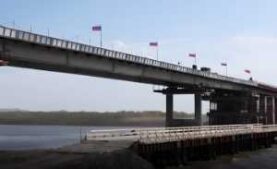
Among the most consequential projects is the construction of the new automobile bridge across the Tumen River. Construction began in April 2025 following agreements reached by Vladimir Putin and Kim Jong-un during the 2024 Pyongyang summit. By April 2026, the bridge sections had been connected, with Russian officials indicating that full completion is expected during the summer of 2026, months ahead of the original schedule. Although physically modest, the bridge carries enormous strategic significance. Until now, Russia and North Korea have shared only one permanent land transport connection: the Korea-Russia Friendship Railway Bridge linking Khasan in Russia’s Primorsky Krai with Tumangang in North Korea. Built primarily for rail freight, the crossing has long constrained the scale and flexibility of bilateral commerce. The new highway bridge fundamentally changes that equation.
According to Russia’s Ministry of Transport, the crossing has been designed to accommodate approximately 300 vehicles daily and facilitate the movement of as many as 250,000 passengers annually through modern customs and border facilities. Unlike the existing railway bridge, the road crossing enables trucks, buses, construction equipment and commercial vehicles to move directly between the two countries throughout the year. This dramatically lowers logistical costs while creating opportunities for entirely new forms of cross-border commerce. For Russian exporters, it reduces dependence on rail transport and increases flexibility for delivering agricultural products, machinery, construction materials and consumer goods. For North Korea, the bridge provides faster access to the Russian Far East, where Vladivostok, Ussuriysk and other regional centers increasingly serve as commercial gateways to wider Eurasian markets. Most importantly, the bridge strengthens Russia’s long-term strategy of integrating the Far East with neighboring Asian economies through diversified transport corridors rather than relying exclusively on maritime routes.
Rason: The Missing Link in Eurasian Logistics
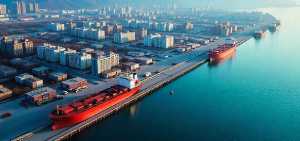
Infrastructure alone, however, does not create trade. It requires logistics hubs capable of connecting production with international markets. Here, North Korea’s northeastern city of Rason occupies a uniquely strategic position. Situated near the borders of Russia and China, Rason is the only location where the economic interests of all three countries physically converge. The city has long served as North Korea’s principal gateway for commerce with the Russian Far East, but recent developments suggest its role is expanding considerably.
As agricultural trade, industrial cooperation and tourism continue to grow, Rason is increasingly evolving into a regional logistics platform rather than merely a border crossing. The city already handles growing volumes of Russian goods while functioning as a distribution point for commercial exchanges between Primorsky Krai and North Korea. Its importance will likely increase further once the Tumen River Road bridge becomes fully operational. For Russia, Rason offers direct access to an ice-free port connected to Northeast Asian shipping routes. For North Korea, it provides opportunities to attract logistics investment, warehousing facilities, customs modernization and transport services. In the broader context of Eurasian integration, Rason could eventually complement rather than compete with Vladivostok, creating a cross-border logistics corridor supporting regional supply chains across Northeast Asia.
Mining Cooperation Moves from Exploration to Commercial Planning
The least publicized but potentially most economically significant, area of bilateral cooperation is the mining sector. North Korea possesses considerable deposits of iron ore, magnesite, zinc, graphite, tungsten, rare earth elements, gold and other strategic minerals. Various geological surveys have also identified uranium-bearing regions and other critical resources that remain only partially developed due to decades of sanctions, limited investment and outdated extraction technologies.
Russia though sees clear opportunities. From 2022, contacts between representatives of the economic ministries of Russia and North Korea became more frequent. In November 2023, annual meetings of the intergovernmental commission on trade, economic, scientific, and technical cooperation (established in 1991, last held in 2019) resumed. The Russian delegations were led by Aleksandr Kozlov, Minister of Natural Resources and Ecology, and the North Korean delegations by Yun Jong Ho, Minister of External Economic Relations. Discussions addressed increasing Russian food exports and joint offshore extraction of rare earth metals, gold, iron, and hydrocarbons.
In August 2025, Irkutsk National Technical University, in cooperation with the RosGeo holding company, commenced training North Korean geologists in uranium mining. Russia’s interest in North Korea’s mining industry. The June, 2026, business mission organized by the Ural Chamber of Commerce demonstrated that Russian interest extends well beyond consumer trade. Among participating companies was Mining Rescue Technologies, a producer of industrial safety systems for mining operations.
While official statements did not disclose the full content of negotiations, the delegation reportedly met representatives associated with the Sochon Mine, suggesting discussions related to mining safety, industrial modernization and extraction technologies. The location itself is noteworthy. Depending on interpretation, the mine is situated either in North Pyongan Province, an area containing significant mineral resources, or in Songchon County, another important extraction region with longstanding industrial infrastructure. Both regions possess strategic economic importance for North Korea’s mining industry. Even more revealing are reports indicating broader Russian engagement with North Korean geological institutions.
Russian specialists have reportedly conducted training involving geological exploration techniques, while discussions have emerged regarding surveys of offshore hydrocarbon deposits in the East Sea and expanded cooperation in mineral exploration. Although these initiatives remain at an early stage, they point toward a logical evolution. Russia possesses globally competitive expertise in mining engineering, geological surveying, mineral processing and industrial equipment manufacturing. North Korea possesses abundant undeveloped mineral resources. The combination creates natural economic complementarity.
Rather than merely purchasing raw materials, Russian firms are increasingly participating in geological surveys, equipment supply, engineering services, processing facilities and workforce training. Such cooperation generates value for both economies while supporting industrial development beyond simple commodity exports.
Russian Industry Looks Beyond Trade
Mining represents only one aspect of a much broader industrial agenda. The composition of recent Russian business delegations demonstrates that cooperation increasingly encompasses manufacturing technologies, engineering services and industrial modernization. The Ural Food Equipment Plant has found opportunities in food-processing technology. The Ural Center for Design and Restoration the same for engineering and architectural cooperation. Russia’s Architectural Casting Studio has examined possibilities in industrial metal production. Financial consulting firm Yard held consultations regarding taxation, accounting standards and commercial regulations.
These discussions may appear highly technical, but collectively they reveal a significant transformation. Instead of relying solely on government-to-government agreements, Russia is gradually encouraging direct engagement between enterprises, regional industries and commercial institutions. This shift mirrors Moscow’s broader approach across Asia, where regional governments and private companies increasingly complement federal diplomacy. The Russian Far East has become a testing ground for this model. Business missions originating from Primorsky Krai, the Urals and Siberia increasingly serve as instruments of economic diplomacy, connecting local industries with neighboring Asian markets. North Korea is becoming an emerging, yet important component of that strategy.
Healthcare, Education and Technology Add New Dimensions
Economic integration is also expanding into sectors traditionally overlooked in geopolitical analysis. Healthcare cooperation has accelerated following the groundbreaking ceremony for a joint Russian-North Korean hospital in the Wonsan-Galma coastal tourism zone in April 2026. The project, supported through the intergovernmental Committee on Trade, Economic, Scientific and Technical Cooperation, reflects growing collaboration in medical technology, hospital management and healthcare infrastructure.
Parallel initiatives are emerging in education. Russia has increased its quota of fully funded university scholarships for North Korean students from 100 places in 2025 to 170 in 2026, representing a 70 percent increase. These programs extend beyond academic exchange. They cultivate future engineers, technicians, doctors and specialists familiar with Russian language, technology and industrial standards, human capital that will facilitate deeper economic cooperation over the coming decade. Language training is expanding inside North Korea as well. Recent directives requiring Russian-language instruction for workers employed in ports and export-oriented factories indicate that practical economic cooperation increasingly demands direct communication between Russian and North Korean specialists. These developments may receive less attention than defense agreements or summit diplomacy, yet they often prove more enduring. Infrastructure can be built within years. Human capital, institutional familiarity and professional networks shape economic partnerships for decades.
Labour, Tourism and Regional Development: Expanding the Human Dimension of the Partnership
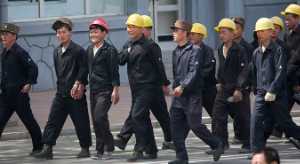
Trade and infrastructure alone do not create sustainable economic integration. Long-term partnerships require the movement of people, knowledge, skills and services. In this regard, Russia and North Korea are quietly expanding cooperation in labour mobility, education, tourism and regional development, areas that could prove as strategically important as their growing trade relationship over the next decade. It is estimated that around 15,000 North Korean workers had been sent to Russia.
These labor exports provide some relief to North Korea’s chronic foreign currency shortages as the money earned is repatriated back to the country. Nowhere is this transformation more visible than in the Russian Far East. For Moscow, developing the Far East has remained a national priority for more than a decade. Despite possessing enormous reserves of hydrocarbons, timber, fisheries, rare earth minerals and strategic ports, the region continues to struggle with labour shortages, sparse population density and insufficient industrial capacity.
According to Russian government estimates, Far Eastern regions require tens of thousands of additional workers annually to sustain infrastructure construction, agriculture, mining and manufacturing projects. North Korea, meanwhile, possesses one of Northeast Asia’s most disciplined and technically capable labour forces. Before the tightening of United Nations sanctions, tens of thousands of North Korean workers were legally employed across Russia’s construction, forestry, agriculture and fisheries sectors. Although sanctions have significantly reduced those numbers, growing political trust between Moscow and Pyongyang is reopening discussions on regulated labour cooperation through new legal and educational mechanisms.
Recent business exchanges suggest that labour issues are returning to the economic agenda. During consultations between Siberian entrepreneurs and North Korean counterparts in June, discussions reportedly included the recruitment of North Korean workers for construction projects in Russia, alongside fertilizer supplies, agricultural cooperation and liquefied natural gas deliveries. Although no official agreements have yet been announced, the inclusion of labour mobility alongside major commercial sectors demonstrates that both governments increasingly view workforce cooperation as part of a broader economic partnership rather than an isolated issue.
For Russia, North Korean workers can help alleviate persistent labour shortages in the Far East. For Pyongyang, overseas employment generates valuable foreign currency, enhances vocational skills and deepens integration with Russia’s industrial economy. If implemented within an agreed legal framework, labour cooperation could become one of the most significant drivers of bilateral economic interaction.
Tourism Emerges as a New Growth Industry
Tourism is becoming another rapidly expanding area of cooperation. For many years, North Korea remained largely inaccessible to foreign visitors. However, the normalization of travel with Russia is gradually changing this picture. According to Aleksandr Kozlov, Russia’s Minister of Natural Resources and co-chairman of the Intergovernmental Commission on Trade, Economic, Scientific and Technical Cooperation, more than 7,000 Russian tourists visited North Korea during 2025, making Russia one of the country’s fastest-growing tourism markets.
While the absolute number remains modest compared with regional tourism flows, the trend is strategically important. Unlike traditional package tourism, Russia-DPRK tourism is increasingly supported by direct government cooperation, improving transport connectivity and investment in tourism infrastructure. The reopening of North Korea’s Wonsan-Kalma Coastal Tourist Zone, together with the long-established Masikryong Ski Resort, provides Russian visitors with destinations that Pyongyang hopes will become year-round attractions. Russian officials have repeatedly emphasized that interest among Russian travelers continues to grow, driven by cultural curiosity, improved transport links and expanding tourism products. The completion of the Tumen River automobile bridge is expected to further accelerate this trend by allowing buses, private vehicles and organized tour groups to travel more easily between Primorsky Krai and North Korea. Tourism also generates broader economic spillovers. Hotels, restaurants, transport operators, local producers, construction firms and service industries all benefit from increased visitor flows. For North Korea, tourism represents one of the few sectors capable of earning foreign currency without relying on mineral exports or heavy industry.
The Russian Far East Becomes North Korea’s Economic Gateway
Taken together, developments in trade, infrastructure, tourism, education and business cooperation reveal a broader strategic reality. The Russian Far East is gradually becoming North Korea’s principal gateway to the Eurasian economy. Primorsky Krai, Vladivostok, Khasan and other Far Eastern regions increasingly function as hubs connecting Russian producers with North Korean consumers while linking North Korean exports to wider Russian and Eurasian markets. This regional dimension deserves greater attention. Unlike relationships managed exclusively through central governments, Far Eastern cooperation increasingly involves regional administrations, chambers of commerce, universities, transport companies, logistics operators and private enterprises. Such decentralized engagement makes economic cooperation more resilient because it is supported by commercial interests rather than political symbolism alone. In many respects, the Russian Far East is assuming a role similar to China’s northeastern provinces in North Korea’s external economic relations. Rather than competing with China, Russia is establishing complementary economic corridors focused on sectors where it possesses comparative advantages, agriculture, energy, logistics, mining technology, industrial machinery and transport infrastructure.
Preparing the Ground for a New Putin-Kim Summit
The political significance of Choe Son-hui’s Moscow visit extends beyond the agreements reached during her meetings. Analysts widely view the visit as preparation for another summit between Vladimir Putin and Kim Jong-un, following Putin’s invitation during the landmark Pyongyang summit in June 2024. Should such a summit take place later this year, it would likely move beyond reaffirming political solidarity. Instead, it could focus on launching the next generation of bilateral economic projects. Among the most likely candidates are agreements on expanding agricultural trade, accelerating cross-border logistics, increasing regional investment, strengthening industrial cooperation, modernizing border infrastructure and facilitating greater business participation from both countries. The groundwork for such initiatives is already being laid through ministerial dialogues, business missions and intergovernmental commissions. Unlike the first stage of Russia-DPRK rapprochement, which was driven primarily by urgent geopolitical circumstances, the next phase appears increasingly focused on institutionalizing long-term economic cooperation.
From Strategic Alliance to Economic Partnership: A New Model of Regional Economic Integration
The evolution of Russia-Norh Korea relations ultimately reflects broader changes taking place across Eurasia. Western sanctions have encouraged Russia to diversify its trade partnerships, while North Korea has sought to reduce its overwhelming dependence on a single external economic partner. These strategic adjustments are creating new incentives for regional economic integration that extend beyond traditional geopolitical alliances. Importantly, Moscow is not attempting to transform North Korea into a major trading partner overnight. Current trade volumes remain modest when compared with Russia’s commerce with China, India or ASEAN.
However, the trajectory matters more than the current numbers. Trade is becoming more diversified. Business participation is expanding. Infrastructure is improving. Consumer markets are opening. Educational exchanges are increasing. Industrial cooperation is broadening. These trends collectively suggest that bilateral relations are evolving from episodic transactions into a structured economic partnership.
Summary
Choe Son-hui’s July 2026 visit to Moscow will likely be remembered not simply for reaffirming military solidarity or diplomatic coordination, but for highlighting the next stage in Russia-North Korea relations. The alliance forged under the Comprehensive Strategic Partnership Treaty is gradually extending beyond security into the economic sphere, where trade, infrastructure, logistics, investment and human connectivity are becoming equally important pillars of bilateral cooperation. Russian meat products appearing on supermarket shelves in Pyongyang, agricultural giants such as Rusagro exploring long-term commercial operations, Ural industrial firms negotiating manufacturing partnerships, the construction of the Tumen River automobile bridge, expanding educational exchanges, healthcare cooperation and growing tourism are not isolated developments. Together, they form parts of a broader strategy aimed at embedding economic cooperation within the political partnership established since 2024.
For Moscow, a more economically integrated North Korea strengthens the development of the Russian Far East, creates new export opportunities for regional industries and enhances Russia’s strategic presence in Northeast Asia. For Pyongyang, deeper engagement with Russia provides access to food supplies, technology, investment, infrastructure and diversified external economic relationships while reducing excessive dependence on any single partner. Military cooperation may have accelerated the rapprochement between the two countries, but it is economics that is increasingly giving that partnership permanence.
As transport corridors expand, businesses establish commercial networks and regional cooperation deepens, Russia and North Korea are quietly constructing an economic architecture that could reshape cross-border interaction in Northeast Asia for years to come. The significance of Choe Son-hui’s Moscow visit therefore lies not only in what was discussed behind closed doors at the Kremlin, but in what is already unfolding on the ground—from supermarket shelves in Pyongyang and construction sites on the Tumen River to boardrooms in Vladivostok, Yekaterinburg and Pyongyang. These developments suggest that the Russia-DPRK relationship is entering a more mature phase, where commercial pragmatism increasingly complements strategic alignment. In an era defined by shifting geopolitical and economic realities, that evolution may ultimately prove more enduring than any single military agreement or diplomatic declaration.
This article was written by Ms. Khatun, an expert in Russia-Asian affairs. She may be reached at info@russiaspivottoasia.com