 Русский




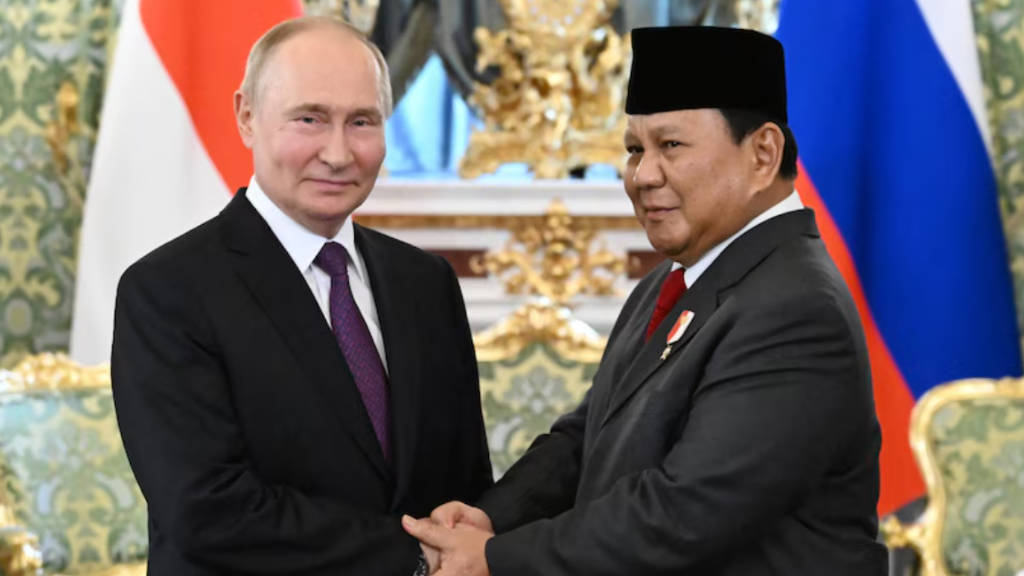

The working visit of Indonesian President Prabowo Subianto to Moscow on 10 December and his meeting with President Putin at the Kremlin has injected new momentum into one of Eurasia’s most promising, yet underappreciated bilateral relationships. Indonesia is the world’s fourth largest consumer market, with a population of 285 million, while Russia is the world’s leading wheat exporter. As Subianto said to Putin during the talks, “On your next trip to Asia, please don’t forget to visit Indonesia” in a sly reference to Putin’s recent state visit to India.
Although no major agreements were signed at this stage, the meeting of the two Presidents provided a strong geopolitical signal: Russia and Indonesia, two major players of the 21st century, are entering a new phase of economic connectivity, trade diversification, and strategic industrial cooperation. Presidents Putin and Prabowo held broad discussions on strengthening military-industrial cooperation, nuclear energy collaboration, and expanding mutual agricultural exports. These signal a deepening strategic partnership between Russia and Indonesia across key sectors of security, energy, and agriculture.
Russia’s Pivot To Asia already presented strong analyses of Russia’s growing trade, investment, and connectivity potential yesterday with Thailand and Vietnam, with the focus now turning to Russia-Indonesia economic relations, with the visit marking yet another milestone in Russia’s expanding engagement with ASEAN.
At a time when global markets are shifting, supply chains are being reconfigured, and emerging economies are asserting more autonomous roles, the Moscow-Jakarta axis is quietly but steadily gaining weight. For Russia, Indonesia represents ASEAN’s largest economy and the world’s fourth-largest consumer market – and another BRICS full partner in the Global South.
For Indonesia, Russia represents a dependable partner providing traditional energy security, nuclear energy technology, advanced industrial capabilities, and high-value agricultural supplies while offering genuine support for Jakarta’s strategic autonomy. This is aligned with Indonesia’s long-term development vision, Visi Indonesia Emas 2045 (Golden Indonesia 2045).
The 10th December Kremlin talks, the second Putin–Prabowo meeting in Russia this year, reaffirm that both countries see mutual benefit in deepening cooperation precisely when the global economic landscape is undergoing profound realignments. This also makes it the third meeting between Putin and Prabowo, following their encounter in China during President Putin’s visit for the 80th anniversary commemorations and the broader engagements there. Altogether, Putin and Prabowo have now held three meetings within twelve months – an unusually intensive diplomatic rhythm – underscoring not only the personal rapport between the two leaders as well as the deepening and expanding nature of their state-to-state relations.
Surging Trade: Resilience Amid Global Headwinds
Bilateral trade continues to expand at an impressive pace. According to the Russian Industry and Trade Minister Anton Alikhanov, Russia-Indonesia trade surged 18% from January to October 2025, reaching US$3.6 billion, with industrial goods making up roughly 40% of the flow. In the last five years, trade has grown by 80%, underscoring long-term resilience despite sanctions pressures, supply-chain disruptions, and market volatility. This implies total 2025 bilateral trade of about US$4.32 billion, which would be a record high.
Indonesia’s exports to Russia remain anchored by palm oil, rubber, coffee, textiles, and manufactured consumer goods. In return, Russia supplies grain, fertilizers, energy products, chemical inputs, and increasingly, industrial machinery. Both sides have expressed interest in high technology content and more diversified consumer goods, varying from Russian confectionaries and dairy to Indonesian electronics and processed foods. Recent economic data have repeatedly highlighted the importance of a visible, everyday consumer-market presence:
Russian ice cream, chocolates, and food products could become regular items on Indonesian supermarket shelves, further balancing trade flows. This consumer complementarity is not trivial. With 285 million people, Indonesia is a consumer superpower; Russia, with its strong food-processing and agricultural base, can offer products at competitive prices, an opportunity especially relevant as Indonesia seeks to stabilize food inflation and diversify import sources.
Wheat and Food Security
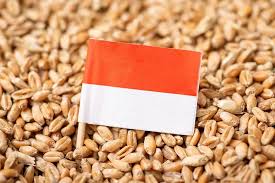
Food security remains one of Jakarta’s most sensitive policy priorities. In agriculture, Putin said, “Indonesia has a slight trade surplus with Russia. We have no complaints; we are ready to seek ways to further develop relations in this sector. I believe the supply of wheat to your market has decreased slightly. This will also be a subject of our discussions.”
Recurrent Indonesian floods and cyclones, climate-related disruptions, corn production decline, rising rice prices, growing poultry consumption, and domestic production constraints have made Indonesia the world’s second-largest wheat importer, with expectations of wheat consumption rising to nearly 12 million metric tons by 2026. Indonesia’s growing appetite for wheat is now projected to reach 12 million metric tons in 2026 and underscores its deepening role in global food demand. As the world grain market shifts, this rising consumption once again highlights how strategic agricultural commodities shape international partnerships and economic balance.
Russia, the world’s largest wheat exporter, is uniquely positioned to supply. But there have been blips. In January, Russia exported 123,000 tonnes of grain to Indonesia, valued at just US$29 million. After a subsequent nine month pause, due to certification issues, wheat exports resumed in October, supported by the extension of Russian laboratory accreditation by Indonesia’s quarantine authorities. Approximately 52,000 tonnes arrived immediately after the resumption, but the hiatus has diminished Russia’s wheat exports for the full year. Expert estimates from Agroexport indicate that Russian grain exports to Indonesia in2024 surpassed 1.3 million tonnes, worth more than US$310 million.
Despite a contraction in their bilateral agricultural wheat trade in 2024, the strong understanding between President Putin and Indonesian leader Prabowo lays the foundation for significantly expanded wheat cooperation moving ahead. With Indonesia finalizing its agreement under the EAEU FTA, wheat imports are poised to reach record levels, surpassing 2024’s record of 12.4 million tonnes of grain – including 10.4 million tonnes of wheat. Russian exporters are well-positioned to capture this growing demand, with the potential to supply over US$420 million worth of grain by 2030, tripling supplies and reflecting Moscow’s strategic commitment and sustained interest in the Indonesian market.
This milestone underscores Russia’s expanding presence in Southeast Asia’s crucial agricultural markets. Moscow is now preparing to supply higher-protein 12.5% wheat, with Indonesian importers confirming high-quality results from initial test batches. Russia’s key grains including wheat, soybeans, corn, and barley are now officially approved for export to Indonesia, strengthening bilateral trade ties.
This strategic alignment highlights Russia’s role as a reliable partner in meeting Indonesia’s growing food security needs. Premium wheat is vital for Indonesia’s growing bakery, noodle, and processed-food industries, sectors expanding by double digits thanks to rising household consumption and a still-growing, young population.
As Russia diversifies its grain export markets toward Asia, Indonesia offers scale, growth, and strategic importance. For Indonesia, Russia provides a stable, price-competitive alternative to traditional suppliers such as Australia, the United States, and Canada. The convergence is natural, with both presidents underlining their intent to maintain steady wheat flows. This only comes from sophisticated data analytics now beating out traditional supply chains.
Nuclear Energy: A Transformational Partnership
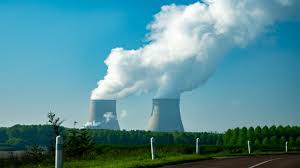
Indonesia plans to commission its first nuclear power plant by 2032, marking a strategic step in its energy transition and pursuit of net zero emissions by 2060. Nuclear energy is now a core pillar of Indonesia’s energy security strategy, with the government emphasizing safety, regulatory oversight, and international cooperation to support sustainable growth. The headline topic from the Kremlin talks was nuclear energy cooperation. President Putin reiterated Russia’s readiness to support Indonesia’s plan to commission its first nuclear power plant by 2032, with an initial target of 500 MW, and long-term projections reaching 250 MW by 2032, 7 GW by 2040, and 35 GW by 2060.
Indonesia still generates zero 0% of its electricity from nuclear power, highlighting the early stage of its energy transition. Countries such as Turkiye, India, Bangladesh and Egypt serve as exemplary models, demonstrating how Russian strategic technology transfer can accelerate Indonesian nuclear development. Russian expertise and cooperation offer Indonesia a clear pathway to achieve its nuclear energy goals efficiently and safely. Rosatom, one of the world’s most experienced nuclear developers, has proposed a phased approach tailored to Indonesia’s needs both today and looking ahead. We discuss these as follows:
Phase 1: Floating Nuclear Power Plants (FNPPs):
Russia’s state owned Rosatom have already suggested the deployment of floating power units similar to the “Akademik Lomonosov” which has been operating commercially for five years in Russia’s Arctic. FNPPs such as these can deliver rapid, stable baseload electricity to remote or energy-deficient regions with minimal upfront infrastructure investment.
Phase 2: Land-Based High-Capacity Plants
Once Indonesia consolidates regulatory and governance structures for nuclear oversight, Russia stands ready to construct high-capacity onshore plants, accompanied by training, safety cooperation, and full-cycle technology transfer.This proposal aligns well with Indonesia’s urgent need to decarbonize, expand electrification across its 17,000 islands, and reduce dependence on imported fossil fuels. Nuclear power, if developed with robust safety standards, could provide stable baseload energy and help Jakarta meet climate targets. Russia faces competition from the United States, France, China, South Korea, and Japan. But Moscow holds a unique advantage: it offers proven, operating technologies, not theoretical prototypes. As Russian Ambassador to Indonesia Sergey Tolchenov put it, “Some partners offer technologies that exist only on paper. Russia offers what already works.”
Industrial Cooperation Diversification
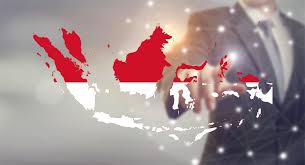
Just ahead of Indonesian President’s visit to Moscow, the respective industry and trade ministries of Russia and Indonesia signed an interdepartmental memorandumon shipbuilding cooperation on December 8, affirming their mutual commitment to strengthen collaboration across key sectors.Special focus was placed on the chemical industry, including boosting Russian mineral fertilizer supplies to Indonesian farmers, underscoring efforts to expand industrial and agricultural cooperation.These agreements underscore the expanding strategic and industrial partnership between the two nations.
More industrial agreements are under preparation, including the mutual recognition of education qualifications, an important step toward facilitating professional mobility, technical cooperation, and labor-force integration. Indonesia and Russia are fast-tracking key MoUs ahead of INNOPROM 2026, the International Industrial Exhibition, which takes place in Yekaterinburg in July 2026. This will also deepen cooperation in shipbuilding, scientific research, and industrial development.The agreements aim to boost technological collaboration, human resource training, and competitiveness across sectors including AI, digitalization, heavy engineering, medical equipment, electrical equipment, and bio-industry.
Building on 75 years of diplomatic ties, both nations are set to strengthen industrial partnerships, paving the way for sustainable and inclusive economic growth. As Russian exports to Indonesia are poised to expand from metallurgy to the forestry and timber sectors, the next logical step is a high-tech industrial partnership anchored in AI-driven metallurgy, robotics, advanced mining technologies, IT, and the wider digital economy. By integrating Russian engineering depth with Indonesia’s fast-growing industrial base, both nations can move together into a new era where automation, smart manufacturing, and digital innovation drive long-term competitiveness and shared industrial growth.
Shipbuilding: A Growing Strategic Sector
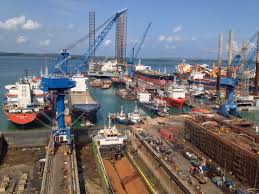
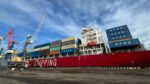
With a coastline of 54,716 km, Indonesia has longstanding aspirations to strengthen its maritime industries across commercial vessels, patrol craft, and naval platforms. Russia has expressed readiness to support: the modernization of Indonesian shipyards, the joint construction of civilian and potentially military vessels, technology transfer for hull design, propulsion, and electronics, and the creation of a joint shipbuilding cluster capable of serving not only Indonesia but the entire ASEAN market. This proposal aligns with Jakarta’s Indo-Pacific Maritime Vision and Russia’s interest in secure maritime logistics networks across the Pacific and Indian Oceans and Southeast Asia. Indonesia’s shipbuilding renaissance offers Russia a rare industrial opening: a fast-growing maritime hub seeking technology, engineering depth, and co-production partners. With new Special Economic Zones SEZs, massive fleet demand, and Jakarta’s push for modern, low-emission vessels, Russian shipbuilders can anchor a regional supply chain from Indonesia’s South Sulawesi, Aceh, and Papua New Guinea to ASEAN. If Moscow moves decisively, shipbuilding could evolve from a single MoU into a long-term strategic foothold shaping Southeast Asia’s maritime future for decades to come.
Fertilizers and Chemical Industry Integration

Russia is one of the world’s largest fertilizer exporters, critical for Indonesia’s agriculture, where food production must keep pace with population growth. Indonesia’s population is expected to grow from 285 million in 2025 to 312 million by 2040 – another 27 million mouths to feed. It is imperative for Indonesia to increase its domestic crop yields.
Joint ventures in the chemical industry, fertilization technology, and agritech processing could significantly boost Indonesia’s domestic productivity while giving Russia stable market access. As Indonesia’s fertilizer demand accelerates, Russia’s surging exports and readiness to co-invest place Moscow at the heart of Jakarta’s food-security ambitions. Joint manufacturing, technology transfers, and reciprocal trade from fertilizers to palm oil signal a deeper strategic economic corridor taking shape. In this emerging partnership, agriculture becomes more than a commodity trade; it becomes the stabilizing anchor of a long-term Russia-Indonesia strategic alignment.
Energy Logistics, Oil & Gas
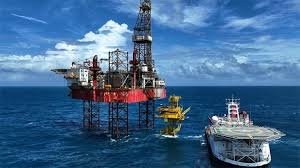
Indonesia’s growing status as a net importer of oil and gas opens substantial space for Russian companies. Although large-scale deliveries have yet to begin, both sides have expressed interest. Practical constraints remain primarily logistics and insurance but discussions continue. The forthcoming EAEU-Indonesia Free Trade Agreement – which may be signed by end of this year.
Once enacted, it is expected to eliminate bilateral tariffs, unlocking fresh momentum for exporters in machinery, petrochemicals, agribusiness, textiles, electronics, and consumer goods. The duty reductions, covering an estimated v in existing trade, create a powerful springboard for growth. Bilateral turnover could double within three to five years of the agreement’s entry into force, driven by a substantial rise in both agricultural and industrial supplies to the Indonesian market. This fits with Indonesia’s broader strategy to diversify trade beyond traditional partners and join new supply chain corridors from Eurasia to Southeast Asia.
Indonesia’s Reach Towards Eurasian Connectivity
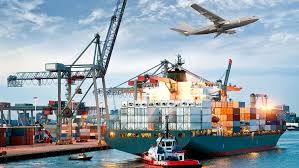
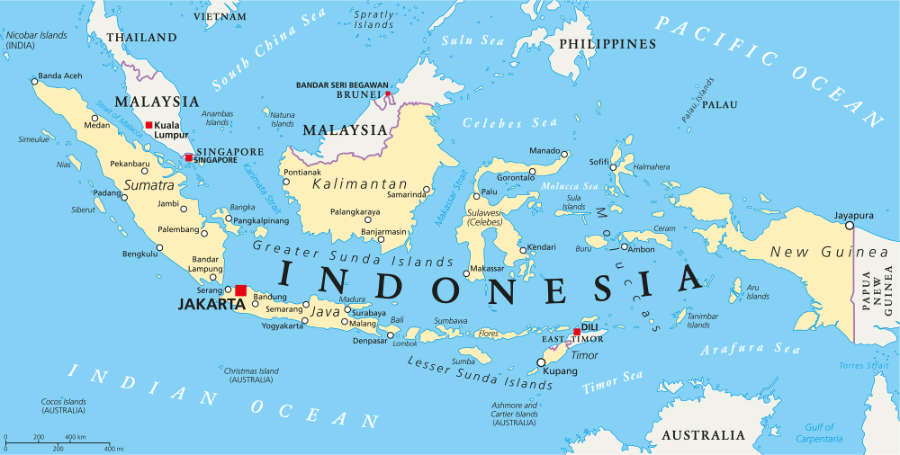
As Eurasia’s maritime map is redrawn, the Chennai-Vladivostok Corridor rises as a symbol of a new, sovereign connectivity. Yet its true potential emerges only when Indonesia, the vast archipelagic titan, steps into the pciture. Straddling the world’s most critical straits, Jakarta holds maritime leverage unmatched across the Indo-Pacific. Its alignment with broader INSTC logic would anchor a tri-oceanic network from the Russian Far East to the Indian Ocean. For Moscow and New Delhi, this is strategic geometry; for Indonesia, it is a long-overdue expression of its oceanic destiny. In these waters, the archipelago transforms from a crossroads into a force shaping the future of Eurasian trade.
Connectivity, Payments, and Tourism: Building Bridges Between Peoples
Economic ties thrive when people can move, buy, and invest with ease. Here, Russia and Indonesia are making steady progress. We discuss this below:
Tourism and Flights
Direct Russia-Bali flights launched by Aeroflot in September 2024 contributed to rising Russian tourism numbers. In 2024, 144,104 Russian tourists visited the Bali Island, with numbers expected to reach around 250,000 by 2026, providing a significant boost to Indonesia’s tourism economy and supporting Russian civil aviation and related service sectors. The next step is for Russian and Indonesian tourism companies to collaborate strategically to maximize these growing opportunities. Indonesia hopes eventually to see reciprocal flights from its national carriers, an important step toward balanced connectivity.
Financial Infrastructure
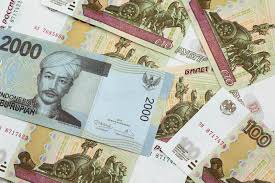
One of the most important tasks is to remove barriers to payments. MIR, Russia’s card payment system, is expected to soon become operational in Indonesia, allowing Russian tourists to use their cards. Both sides must work closely to ensure smooth and timely implementation. On the other hand, both sides must continue to work on building independent settlement mechanisms through: bilateral banking channels, BRICS financial instruments, and discussions on digital payment connectivity. The long-term aim is to enable ruble-Indonesian rupiah trade, reduce dollar dependence, and make tourism and commerce smoother. Once MIR cards become usable in Indonesia, tourism could grow significantly, benefiting Bali and potentially new destinations such as Lombok, Labuan Bajo, and North Sulawesi.
Mutual Visa-Free Access
A visa-free regime remains a long-term aspiration requiring intergovernmental agreements. Nonetheless, preliminary steps are underway, reflecting mutual interest in boosting business travel, education exchange, and tourism. As a result, the surge in Indonesian tourism will make a significant contribution to the Russian economy and help address labor shortages. However, Russia must also invest in human resource development in Indonesia to fully realize this potential.
Space, Technology, and Human Capital
Cooperation is also expanding into advanced technology sectors. PT Comtelindo’s discussions with Russia’s Glavkosmos envision joint initiatives in satellite technology, telecommunications, and space-based services-strategic domains crucial for Indonesia’s digitalization and Russia’s pivot to Asian technology markets. Human capital integration is increasingly relevant. Russian companies have begun expressing interest in Indonesian engineering and technical specialists. Mutual recognition of education degrees-now under negotiation-could pave the way for new mobility pathways.
Defense and Security
Both sides underline that military cooperation does not imply political alignment or bloc participation. Indonesia remains staunchly non-aligned, while Russia respects Jakarta’s autonomy. Nonetheless, cooperation is deepening: Indonesian cadets train in Russian academies. The first joint naval exercise was held in the Java Sea in November 2024. Russia expresses readiness to offer a wide range of platforms from patrol vessels to advanced naval systems-based on Indonesia’s requirements. Maritime security in Southeast Asia, where piracy incidents persist, remains a shared concern. Joint training and exchanges in maritime domain awareness can contribute to regional stability.
Indonesia in Russia’s Pivot to Asia
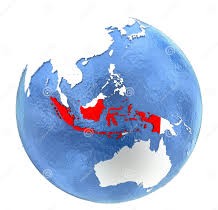
The December 10 Moscow talks took place at a symbolic moment: Russia continues deepening its economic diplomacy with the Global South, while Indonesia strengthens ties with all major powers including Russia, the U.S., China, India, and Europe under its “befriend all countries” doctrine. Indonesia’s ASEAN membership, combined with both Indonesia and Russia’s engagement in ASEAN, BRICS regions and the Global South, reinforces a vision of strong regionalism and multilateral trade cooperation. This alignment highlights shared priorities in economic development, technological collaboration, and strategic autonomy, positioning Russia and Indonesia as key drivers of a more balanced, multipolar global order.
This convergence of pragmatic, multi-vector foreign policies create fertile ground for long-term cooperation. Russia appreciates Indonesia’s balanced stance on the Ukraine conflict, while Jakarta values Moscow’s respect for its strategic independence. President Prabowo’s invitation for President Putin to visit Indonesia in 2026 or 2027 and Putin’s prompt acceptance this highlight the continuity of high-level dialogue and the shared ambition to elevate cooperation to a strategic partnership.
Summary: A Partnership of Complementarity and Connectivity
Russia and Indonesia approach each other not through ideology, but through complementarity-of markets, resources, technologies, and strategic interests. Russia needs large, growing Asian consumer markets. Indonesia needs reliable energy, advanced technologies, resilient food supply chains, and diversified international partnerships. Both seek to expand their role in shaping global economic governance beyond traditional Western-centric frameworks. From wheat and nuclear energy to shipbuilding and space cooperation, from tourism connectivity to financial integration, the foundation is strong and getting stronger. If current momentum continues, and if the EAEU–Indonesia free trade agreement materializes, bilateral trade could surpass US $8-9 billion in the near term and significantly more over the longer horizon. More importantly, Moscow and Jakarta would solidify a strategic economic bridge linking Eurasia and Southeast Asia, with benefits extending to companies, workers, and consumers across both nations. As global dynamics shift, Russia and Indonesia are positioning themselves not as followers of external powers, but as co-architects of a more balanced, multipolar, and interconnected economic future.
This article was written by Ms. Khatun, a Southeast Asia-based economic and trade analyst. She can be reached at info@russiaspivottoasia.com
Further Reading

Continue Reading