Русский









Russia achieved self-sufficiency in potatoes from its own harvest at 97.9% in 2025, with the indicator for the food security doctrine at 95%, the Russian Agriculture Ministry has stated.
Russia has also come close to achieving self-sufficiency targets for vegetables and melons at 89.6%, with the doctrine indicator at 90%.
According to preliminary data from the Federal State Statistics Service (Rosstat), the potato harvest increased 9.4% to 19.5 million tonnes in 2025. Agricultural organizations increased the harvest to 5.2 million tonnes from 4.4 million tonnes, and private farms increased yields to 11.4 million tonnes from 10.5 million tonnes. Vegetable production decreased 0.9% to 13.8 million tonnes from 13.9 million tonnes in 2024. Agricultural organizations reduced the harvest to 4 million tonnes from 4.3 million tonnes, while private farms increased yields to 6.5 million tonnes from 6.3 million tonnes.
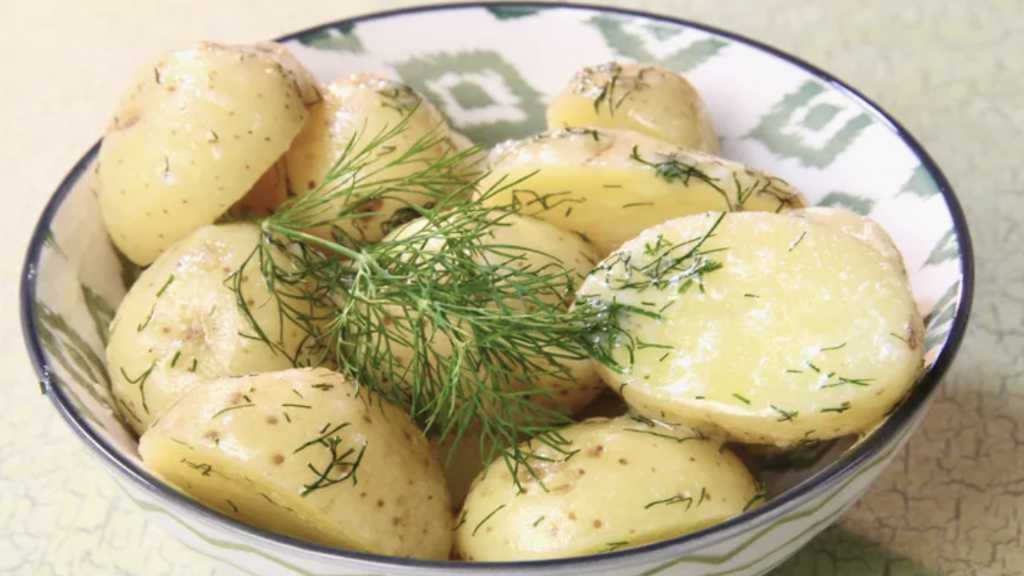
The potato is a major global staple food, ranking as the world’s fourth most important crop (after maize, wheat, and rice) and serving as a primary energy source for over a billion people. Highly sustainable, it produces more food faster on less land and water than other crops. Potatoes are nutrient-dense, providing carbohydrates, vitamin C, potassium, and fibre with almost zero fat. Russian potato consumption is the world’s second highest, with an annual per capita intake of about 84 kg. European Union potato per capita consumption is the world’s highest, in excess of 90 kg per person per annum.
The ministry statement reads, “The priority is to strengthen our positions in areas where thresholds have not yet been reached. These include dairy products, fruit, and berries. Over the past year, self-sufficiency in these areas increased to 85.3% and 44%, respectively.”
The ministry also notes that Russia has been oversupplied with grain, meat, fish, sugar, and vegetable oil in recent years. “The increased production has strengthened food security in key areas. By the end of 2025, self-sufficiency in grain increased to 161%, in fish and fish products to 128.8%, and in meat to 102%.” The excess production is exported, with Russia reaching out to new markets, mainly in the Middle East, Africa, and Asia.