 Русский




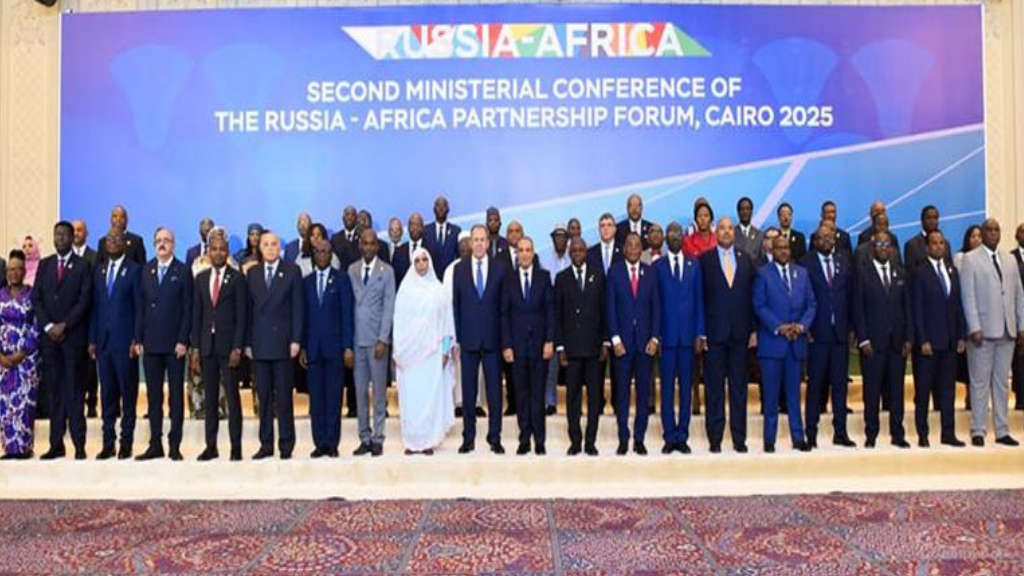

The Second Ministerial Conference of the Russia-Africa Partnership Forum was held In Cairo on December 19-20, 2025, and convened ministers of foreign affairs, heads of regional economic blocs, and senior officials from more than 50 African nations to advance cooperation in trade, economic ties, investment, and connectivity with Russia.
Hosting this event in Africa marks a critical escalation of engagement after the first ministerial meeting held in Sochi in November 2024 and ahead of a third Russia-Africa Summit scheduled for 2026. The outcomes of this gathering offer a glimpse into the evolving architecture of bilateral and continental cooperation at a time when both Russia and African states seek alternatives in a rapidly changing global economic order.
A Ministerial Milestone in Cairo

Against the backdrop of increasingly complex global geopolitics, the continued rise of Global South trade potential, the expansion of the BRICS format, and the evolution of Russia’s ties with Africa, the Cairo conference marks a decisive institutional and economic milestone in the development of Russia-Africa relations. It was designed not merely as a diplomatic gathering, but as a working economic forum aimed at accelerating trade, investment, industrial cooperation, and connectivity.
The participation of Foreign Minister Sergey Lavrov, together with delegations from across the African continent, Lavrov’s previous, wide-ranging sideline engagements with African counterparts and the leadership of regional integration bodies, clearly underscored Moscow’s determination to elevate relations with Africa to the level of a strategic, long-term economic partnership.
During their discussions with Lavrov, African officials and delegates reaffirmed the commitment of Russian and Africa to steadily advance their traditionally friendly Russian-African relations, including deeper political dialogue as well as expanded cross-continental logistics connectivity, trade, economic, cultural, and humanitarian cooperation. Egypt’s hosting of the conference reinforced Cairo’s growing role as a bridge between Africa, the Middle East, Eurasia, and the Mediterranean, anchoring Russia-Africa cooperation within wider South-South and multi polar frameworks.
The Cairo conference served six interlinked purposes: first, to evaluate the interim results of the Russia–Africa Partnership Forum Action Plan for 2023-2026; second, to inject fresh momentum into trade, investment, and connectivity cooperation; third, to better align Russia’s Greater Eurasian Initiative and its broader Global South development agenda with Africa’s Agenda 2063; fourth, to chart a clearer implementation strategy for the 2026 trade and economic exchange agenda while realigning Russia-Africa cross-continental geoeconomics engagement; fifth, to lay a solid economic and institutional foundation for the Third Russia–Africa Summit scheduled for 2026 and begin drafting the 2026-2029 strategic action plan; and sixth, to pave the way for more frequent high-level exchanges between Russia and Africa including presidential and prime ministerial visits aimed at deepening economic, investment, and trade cooperation.
Key Takeaways From The Conference
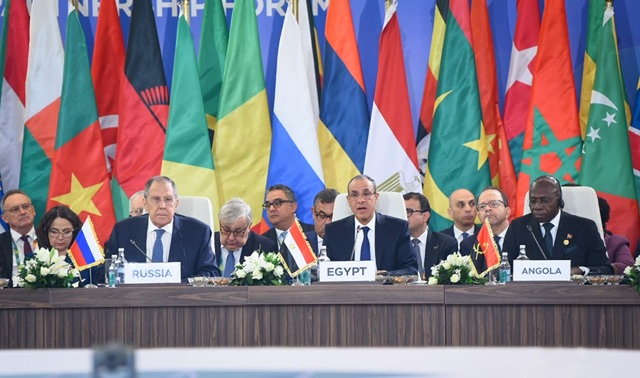
Unanimous approval of the final Joint statement
All participants unanimously approved the final joint statement, making it a shared roadmap for future cooperation.
Expansion of joint investment projects
Russia and African countries agreed to actively promote joint investment projects aimed at supporting socio-economic development and strengthening Africa’s industrial and production capacity.
Focus on strategic sectors
Cooperation will prioritize transport infrastructure, logistics, energy (including renewables, peaceful nuclear energy), oil and gas technologies, fertilizers, metallurgy, digitalization, pharmaceuticals, and transport engineering.
Positive trade dynamics despite sanctions
Trade turnover between Russia and Africa is growing, even under unilateral restrictions, and both sides committed to expanding and diversifying trade relations further.
Improving conditions for businesses
Participants emphasized the need to create favorable conditions and new mechanisms to support Russian and African companies, strengthen partnerships, and generate employment.
Africa invited to access Russian markets
Russia invited African partners to develop promising niches in Russian markets, with particular potential seen in sub-Saharan Africa; Russian trade missions will expand to 15 African countries.
Technology transfer and economic modernization
Russia expressed readiness to offer advanced technologies in energy, engineering, geology, digital tech, pharmaceuticals, and space, while countries like Botswana plan to use Russian experience to diversify their economies, including in industry, agriculture, and renewable energy.
Geopolitical Context: Toward a Multipolar Partnership
The Russia-Africa relationship is embedded in an overarching geopolitical narrative. For Moscow, Africa represents both a strategic counterbalance to Western influence and a platform to advocate a multipolar world order that diminishes U.S. and European hegemony.
This positioning dovetails with Russia’s broader foreign policy priorities which place the African continent among its key diplomatic and economic frontiers. For example, Russia opened its new, second Department for Partnership with Africa within the Ministry of Foreign Affairs in February. Foreign Minister Sergey Lavrov has reiterated that Russia’s engagement is not extractive but aimed at long-term cooperation in industrial development, technology, and infrastructure.
In post-conference statements, Lavrov articulated that Russia intends to support Africa’s rise as a major center in a multipolar global order, underscoring sovereign choice for African partners in determining their developmental paths and external alliances. This framing is significant: it signals Russia’s attempt to recast relations in terms of mutual sovereignty and developmental cooperation, positioning itself as an alternative partner to Western governments whose engagement in Africa is often criticized by African elites for conditionality tied to governance reforms, empty promises for development agenda implementation and unjustified interference in their own internal affairs.
In contrast to Western approaches, Russia does not attach political or development conditionalities, does not pursue a strategy of interference in the internal affairs of partner countries, and does not rely on empty promises. Instead, Russia believes in concrete action focused on practical development agendas, tangible projects, and long-term, mutually beneficial outcomes.
An example of this is How Europe Underdeveloped Africa, a seminal 1972 work by Walter Rodney, which documents how the African continent was exploited and structurally underdeveloped by European colonial regimes. One of Rodney’s central arguments is that Africa contributed to Europe’s development at the same time that Europe systematically underdeveloped Africa.
In contrast to this historical pattern, Russia’s predecessor, the Soviet Union, played a decisive role in helping many African nations break the shackles of colonialism by supporting national liberation movements, state-building efforts, and early industrial development. Today, Russia positions its engagement with Africa within this historical continuum, emphasizing Global South prosperity, strategic autonomy, and economic sovereignty. Moscow advocates free and fair trade, opposes unjustified resource exploitation, and rejects debt-trap practices that undermine long-term development. Instead, Russia’s approach prioritizes equitable partnerships, sustainable development agendas, and economic cooperation designed to strengthen African countries’ independence and resilience in the global economy.
Africa’s Structural Rise: Demographics, Growth, and Global Weight
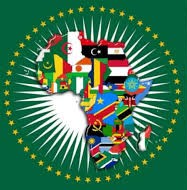
Africa’s renewed centrality in Russian foreign economic strategy is rooted in hard structural fundamentals, not sentiment. The African continent includes 54 sovereign states and is undergoing one of the most significant demographic and economic transformations of the 21st century. Africa’s population currently exceeds 1.50 billion, accounting for nearly 18% of the global population, and is projected to reach 2.3 billion by 2043 and 2.5 billion by 2050.
Importantly, Africa will contribute over half of global population growth during this period. This demographic surge is not merely quantitative; it is reshaping global labor markets, consumption patterns, and production chains. From an economic standpoint, Africa’s combined GDP on a purchasing power parity (PPP) basis already exceeds US$10 trillion, while the creation of the African Continental Free Trade Area (AfCFTA) is steadily forming a unified market with a nominal GDP above US$3.4 trillion. Per-capita growth, though uneven across regions, has accelerated in East and West Africa, supported by urbanization, digitalization, and infrastructure investment.
Africa’s economic landscape is evolving rapidly, presenting unprecedented opportunities for strategic partners like Russia to deepen cooperation and expand mutually beneficial ties. With the continent’s total GDP (PPP) projected to reach approximately US$10.83 trillion by 2025, and a per capita PPP of roughly US$7,370, Africa is solidifying its position as one of the world’s fastest-growing regions, driven by robust economic growth and rising purchasing power.
Urbanization trends underscore this transformation. Africa’s urban population has surged from 31% in 1990 to 44% in 2023 and is expected to exceed 50% by 2043, with the fastest urbanization occurring in low-income countries. This shift highlights critical challenges urgent needs for inclusive urban planning, affordable housing, and infrastructure development that Russia’s expertise in engineering, construction, and energy sectors is well-positioned to address.
This economic reality stresses the urgency of structural reforms to circumvent the middle-income trap and achieve the ambitions of the African Unions Agenda 2063, a pan-African blueprint for inclusive and sustainable development. Guided by the Second Ten-Year Implementation Plan (TYIP, 2024–2033), Africa prioritizes industrialization, digital transformation, and intra-African trade expansion, areas where Russia’s industrial and technological capacities can provide critical support. From heavy machinery to digital infrastructure and energy cooperation, Russia’s strategic engagement can accelerate Africa’s structural transformation while expanding Russian exports and investment footprints across the continent.
Looking ahead, the Third TYIP (2034–2043) aims to embed resilience against climate and geopolitical shocks, further deepening Africa’s economic diversification and sustainable growth. For Russia, this opens avenues for long-term partnerships in green energy, climate-smart technologies, and resilient infrastructure development, sectors increasingly vital in global geopolitical dynamics.
In this context, Russia’s continued commitment to strengthening ties with African nations aligns with both geopolitical interests and shared economic goals. The evolving African market represents not only a space for trade and investment growth but also a platform to shape a multipolar world order where emerging economies thrive alongside established powers.
This means that as Africa charts its ambitious course towards inclusive prosperity, Russia stands ready to be a reliable partner, leveraging its expertise and strategic vision to unlock the continent’s full potential. This is not just a matter of economic opportunity, but a commitment to shaping the future of global cooperation grounded in mutual respect, strategic partnership, and shared progress. With Russia facing labor shortages, demographic constraints, and the need to diversify export destinations, Africa’s growth trajectory complements domestic economic realities. Africa offers not only markets and resources, but human capital, demand growth, and industrial partnerships aligned with Russia’s long-term development priorities.
Russia Africa Trade Relations
Russia-Africa trade has expanded steadily in recent years, reaching over US$27 billion in 2024, more than 1.5 times higher than in 2019. Despite this progress, trade volumes remain far below its latent potential, especially when compared to Africa’s trade with China, the EU, or India.
Russia’s exports to Africa remain dominated by grain and agricultural products, fertilizers, energy resources, machinery, technology inputs, metals and chemical products. Africa’s exports to Russia, while still underrepresented, include primarily raw materials and commodities, including minerals, agricultural commodities, minerals, textiles and select manufactured goods.
While trade has grown significantly over the past half-decade, the imbalance in value chains remains apparent, a challenge common to many Africa-non-African partnerships.
Russia’s bilateral trade with China reached an impressive US$237 billion in 2024, reflecting the scale of cooperation between two global giants. China’s population stands at around 1.4 billion, slightly less than Africa’s estimated 1.5 billion, yet Russia’s trade volume with Africa remains a modest US$27 billion. This disparity underscores a critical reality: despite enormous potential, Russia-Africa trade is vastly underdeveloped and largely unexplored.
After a prolonged period of limited engagement, policymakers on both sides are beginning to recognize the strategic importance of recalibrating their relationship. There is a growing consensus on the urgent need to increase both the volume and quality of trade, unlocking new sectors beyond the traditional energy and security domains. Africa’s economy is diversified and rapidly evolving, with emerging industries and high-tech sectors presenting promising opportunities for Russian expertise and investment. Realizing even a fraction of this potential could ultimately raise bilateral trade volumes to US$300 billion or more.
Achieving this ambitious growth hinges on improving connectivity and logistics coordination. The International North-South Transport Corridor (INSTC), connecting Russia through the Indian Ocean, Arabian Sea, Middle East, and Black and Mediterranean Seas, offers a vital transport and trade artery. By leveraging this corridor to the North and East African coasts, Russia and Africa can overcome geographical barriers and facilitate smoother, faster, and more cost-effective trade flows.
The potential establishing of a free trade zone between Africa and Eurasia – enabled through the African Continental Free Trade Area (AfCFTA) and the Eurasian Economic Union (EAEU) – could revolutionize economic integration, boosting trade, investment, and cooperation on an unprecedented scale. It is of note that this intent is already mentioned as part of Russia’s current Foreign Policy plan.
With coordinated policies, infrastructure investment, and strategic partnership, multilateral trade can transform from an overlooked statistic into a cornerstone of global economic cooperation benefiting millions across both continents.
The Cairo ministerial conference reaffirmed Moscow’s priority to re balancetrade, expand imports from African states, and build resilient settlement mechanisms using national currencies, reducing exposure to external financial pressures. Crucially, 19 intergovernmental trade and economic commissions are already operational, forming a technical backbone for expanding business-to-business cooperation. Their expansion, combined with AfCFTA’s gradual harmonization of rules, opens the door to scale effects previously unavailable to Russian exporters and investors.
The Conference Agenda: Operational Priorities
Trade Growth and Economic Integration
A primary theme of the Cairo conference was expanding trade ties. Russian officials are emphasizing diversification of African exports to Russia, expanding beyond traditional commodity flows and ensuring mechanisms for mutual settlement in national currencies. This initiative addresses currency volatility and reduces dependency on the U.S. dollar, aligning with Russia’s broader financial strategy in its global partnerships.
Institutional Cooperation and Intergovernmental Commissions
Russia and various African states currently operate 19 intergovernmental commissions facilitating cooperation across trade, economic, scientific, and technical sectors. These bodies function as platforms for regular dialogue between business communities, helping identify bottlenecks and opportunities for joint ventures. Plans are underway to expand the number of such commissions, signaling intent for deeper institutionalized cooperation.
Investment and Industrial Partnerships
Investment cooperation was another priority. Russian diplomats and African ministers discussed strategies to strengthen political, trade, and investment ties not only bilaterally but also through regional economic communities such as ECOWAS (Economic Community of West African States). In meetings with ECOWAS representatives, Lavrov highlighted the forum’s role in promoting economic coordination, pointing toward potential integration frameworks that could encompass infrastructure and production networks.
Energy
Russia’s role in African energy markets spans hydrocarbons, nuclear power (notably in Egypt’s El-Dabaa nuclear build), and potentially renewable energy collaboration.
Agriculture and Food Security
Russia has already delivered significant quantities of wheat and fertilizers to African partners, with potential scaling in agritech cooperation and training. Russia has delivered 200,000 tonnes of wheat to Africa’s most vulnerable countries, reinforcing its commitment to humanitarian aid and food security. Beyond deliveries, Russia actively shares expertise and supplies fertilizers to support the sustainable development of Africa’s agricultural sector. As the United Nations projects Africa’s population to surge toward 2.5 billion by 2050, the continent faces a historic challenge and opportunity in building a modern, high-quality food-security architecture capable of sustaining the world’s fastest-growing demographic region. This demographic wave demands not only more food, but better, safer, more affordable, and technologically upgraded agro-industrial systems. Naturally, this aligns with the strategic strengths of Russian agro-business giants, whose global leadership in grains, oils, fertilizers, and agricultural technologies makes them indispensable partners in Africa’s food security.
Africa’s rising dependence on imported food is focused precisely on the commodities whose global prices continue to surge. The continent now imports more than half of its wheat, a third of its maize, most of its rice, and significant volumes of vegetable oils and dairy powders. These realities highlight the urgent need for reliable, long-term suppliers – areas where Russian producers are increasingly becoming indispensable partners for African food security.This includes the development of drought-resistant crops, as well as fertilizers.
The African wheat and flour economy is entering a period of accelerated expansion, with the continent’s wheat flour market projected to reach US$23.9 billion in 2025 and soar to US$35.5 billion by 2032, driven by rapid urbanization, rising household incomes, and growing demand for fortified, higher-quality products.
Africa’s wheat import requirements reinforce the scale of this opportunity: in 2025–26, consumption is set to rise sharply across both North and Sub-Saharan Africa, with Kenya and Sudan each expected to import around 2.6 million tonnes, Ethiopia 1.4 million tonnes, and South Africa roughly 1.74 million tonnes covering nearly half of its national needs. North Africa, led by Egypt, remains one of the world’s largest wheat-buying regions. With Africa’s food import bill climbing and domestic production unable to match demographic growth, this is precisely the moment when Russian agro-industrial companies must expand boldly into African flour, grain, and processing markets, leveraging Egypt as their industrial and logistical hub.
Russia’s reliability as a top global wheat supplier positions its exporters and millers to capture a decisive share of this expanding demand helping secure Africa’s food systems while strengthening Moscow’s long-term presence across the continent. Russia’s agricultural expansion into Africa is proving far broader than wheat alone, with exports reaching US$2.8 billion in the first eight months of 2025, a figure that underscores both the scale of African demand and the opportunity for Russian diversification. In this period, Moscow shipped 500 tons of finished meat products, 1,300 tons of whey, nearly 180 tons of ice cream to Senegal, and even 50 tons of frozen crab to Tunisia, demonstrating that African markets are ready for a wide spectrum of Russian goods.
Policymakers and companies in Moscow must recognize that these are not marginal shipments but indicators of a continent eager for reliable, high-quality suppliers. Russia’s agro-exports to Africa have more than doubled in five years, approaching US$7 billion in 2024, with the potential to surpass US$7.5 billion by 2030. While grains will remain the backbone of trade, the real strategic opportunity lies in expanding vegetable oils, dairy, meat, fish, and processed foods. For Russia, Africa is no longer an auxiliary market, but a fast-growing frontier that demands sustained attention, investment, and long-term presence.
Infrastructure
Russian participation in transport, logistics, and connectivity projects can strengthen market access across African regions. As mentioned, the expansion of the INSTC corridors to North Africa and the East African coast are of particular relevance.
Education and health
Russia’s expansion of training programs and scholarship quotas for African students, alongside cooperation in health emergency management, highlights its softer forms of economic diplomacy. Russia has trained over 32,000 African professionals, reflecting a deep commitment to education and capacity building. Scholarship quotas have significantly increased, now offering more than 5,300 places to African students for advanced studies in Russia. Russia and Africa have strengthened cooperation in managing health emergencies and combating epidemics, responding to urgent needs with advanced support. The demand for Russian mobile diagnostics and laboratory technologies continues to grow, enhancing Africa’s healthcare resilience.
Adding Value
The conference underscored that these investments should support local processing and industrial capacity, and not just focus on raw resource extraction, a significant distinction in narrative, if not yet fully reflected in large-scale investment flows.
Investment Philosophy: Beyond Extraction
Detailed, publicly accessible data on direct investment flows from Russia to Africa is limited. However, official Russian sources and business forums signal intent in energy infrastructure (nuclear, oil and gas partnerships), mining and resource development (exploration and joint ventures), infrastructure development, and high technologies, agriculture and food processing, technology and training sectors.
Potential Russian investors can leverage opportunities in Africa’s growing markets, particularly in countries pursuing industrialization and infrastructure expansion. Africa’s demographic dividend, urban growth, and emerging middle class offer sizable long-term markets for Russian goods and services. Russia’s economic engagement with Africa is increasingly framed around investment-led development, rather than extractive trade models.
This approach, repeatedly emphasized by Russian leadership, reflects both historical continuity and pragmatic economics. Russia has never viewed Africa as a raw-materials appendage. Instead, it promotes joint industrialization, local value addition, and technology transfer, a strategy aligned with Africa’s own Agenda 2063.
Priority sectors include energy (including gas, hydropower, nuclear, and renewables), mining and mineral processing, transport and logistics infrastructure, agriculture and fertilizer production, digital governance, fintech, and AI, healthcare and pharmaceuticals.
Historically, over 300 industrial and infrastructure facilities built with Soviet assistance remain operational across Africa. Today’s initiatives aim to replicate this long-term impact under modern financial and technological conditions. Russian companies have vast opportunities in Africa’s energy, mining, agriculture, infrastructure, and digital sectors, while African countries can expand exports to Russia and benefit from education, skills development, and industrial partnerships.
Connectivity and the INSTC: Africa Enters Eurasia’s Logistics Map
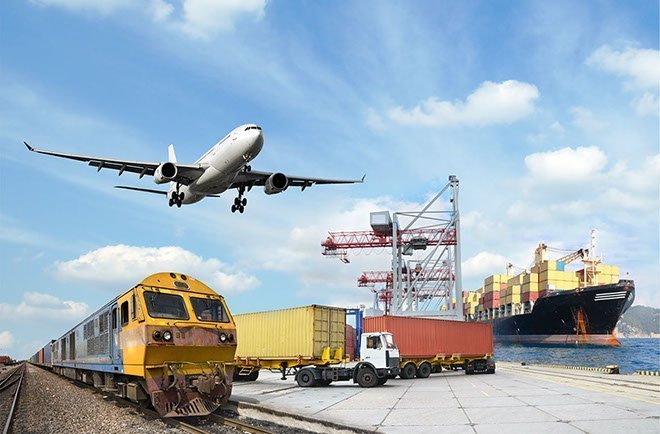
Infrastructure remains a fundamental barrier to deeper economic integration. Roads, rail links, port capacity, and logistics corridors will be key to enabling regional value chains, areas where Russian engineering and investment could play a role alongside Chinese, European, and U.S. actors.
One of the most under-discussed yet transformative dimensions of Russia-Africa cooperation is connectivity, particularly through the International North–South Transport Corridor (INSTC). Traditionally linking Russia with Iran, India, Central Asia and South Asia, the INSTC is now increasingly relevant for Africa–Eurasia trade, especially via: Egypt and the Suez Canal, East African and Southern African ports, via Persian Gulf transshipment hubs.
Egypt’s centrality to the Cairo conference was not accidental. As a logistics hub connecting Africa to Eurasia, Egypt positions Russia-Africa trade within shorter, more resilient supply chains, bypassing congested or politically sensitive routes. Africa’s five regional economies – North, West, East, Central, and Southern Africa – can be connected through key supply chain routes and logistics corridors under the INSTC, Black Sea, and Indian Ocean networks.
The INSTC links Central and East Africa to Eurasian markets via Iran and Russia, also boost trade flows. The Black Sea corridor facilitates agricultural and industrial exports from North and East Africa to Europe and Asia, while the Indian Ocean routes enable efficient maritime connectivity for East and Southern Africa, additionally enhancing their access to Asian markets.
Together, these corridors improve regional integration, reduce transit times, and promote economic growth across Africa’s diverse regions.
For Russian exporters, INSTC-linked corridors can reduce transit times, reduce logistics costs, and enhance access to African consumer markets. For African economies, connectivity with Russia and Eurasia offers diversification away from traditional colonial trade routes, reinforcing economic sovereignty.
Northeast Africa, West Africa and the Sahel Region’s connectivity with Russia is strengthening through the Black Sea and the International North-South Transport Corridor (INSTC). This strategic route enhances trade efficiency by linking African markets to Russia and beyond. Improved logistics along this corridor unlock new opportunities for economic cooperation and regional integration.
Opportunities for Russian Companies in Africa
Russian companies enter African markets with a set of competitive advantages shaped by decades of operating in complex environments. In practical terms, Russian firms are particularly well positioned in energy engineering, where experience in power generation, grid modernization, and fuel-cycle management aligns closely with Africa’s development needs. Civil nuclear power is another area of strategic potential, offering African partners long-term solutions for energy security while creating stable, decades-long cooperation frameworks. Russia’s strengths in mining technologies from geological exploration to mineral processing also correspond with Africa’s resource base, especially as African governments increasingly prioritize local value addition over raw exports. In agriculture, Russian manufacturers of machinery, fertilizers, and irrigation systems are well placed to support Africa’s drive for food self-sufficiency and agro-industrial development.
Beyond traditional sectors, Russian companies are expanding cooperation in digital public services, including e-government platforms, fintech infrastructure, and data management systems. In parallel, defense-adjacent civilian industries, such as dual-use engineering, aerospace applications, and security-related infrastructure, offer additional avenues for lawful and transparent industrial cooperation. Crucially, Russia’s accumulated experience in managing logistics, financing, and project implementation under restrictive conditions gives its companies a practical edge in many African markets.
African Opportunities in Russia
Africa’s engagement with Russia is increasingly reciprocal and multidirectional. African economies have significant opportunities to expand agricultural exports to the Russian market, particularly as supply chains diversify and demand for food imports grows. Participation in joint manufacturing projects within Russia also offers African firms a pathway to higher value-added production and access to Eurasian markets. In the human capital sphere, Africa can play an important role in helping to offset Russia’s demographic and labor constraints.
Educational and training links are already forming a strong foundation for this cooperation. More than 32,000 African students currently study in Russian universities, supported by over 5,300 government scholarships annually, creating long-term networks of skills, technology transfer, and business connectivity. At the same time, African industrial ecosystems stand to benefit from Russian technologies in energy, transport, agriculture, and digital systems, particularly through localized production and joint ventures rather than simple import models. This two-way engagement strengthens economic resilience on both sides.
Regional Analysis: Five African Regions
North Africa
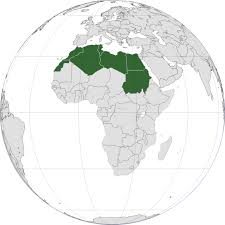
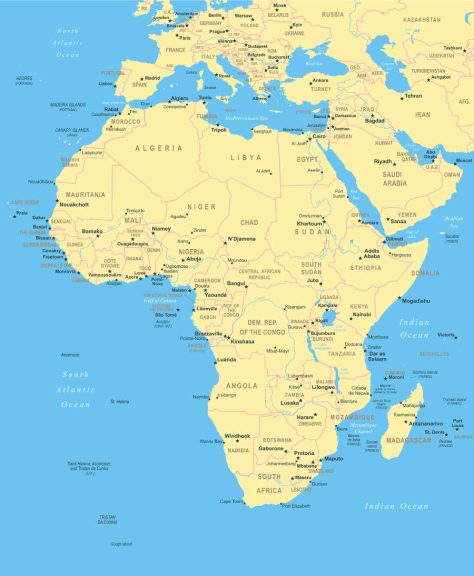
North Africa remains Russia’s principal gateway to the African continent, anchored by Egypt, Algeria, Tunisia and Morocco. The region’s geographic proximity to Eurasia and the Mediterranean gives it a unique role in trade, logistics, and industrial cooperation. Russian engagement in North Africa is increasingly concentrated on large-scale energy projects, industrial zone development, nuclear power cooperation, and transport infrastructure. Egypt plays a particularly strategic role, with the Russian Industrial Zone in the Suez Canal Economic Zone emerging as a flagship project that links Russian manufacturing capabilities with African, Middle Eastern, and global markets.
Russia is also making early arrival trade and development ties with Mauritania, and has long had an energy presence in Libya.
West Africa
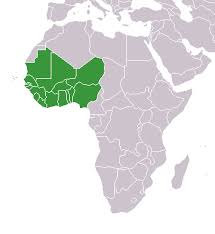
West Africa represents the continent’s most dynamic consumer frontier. With one of the fastest-growing populations in the world and accelerating urbanization, the region offers Russia expanding opportunities in fertilizers, grain supply chains, power generation, and transport infrastructure. Countries such as Nigeria, Senegal, Ghana, and Côte d’Ivoire are becoming key partners as they seek to strengthen food security, expand electricity generation, and modernize ports and logistics networks, areas where Russian companies possess strong competitive advantages. The recent visits of Togolese Prime Minister Faure Gnassingbé (November 18–19) and Burkina Faso’s President Ibrahim Traoré (May 09-10) to Moscow represent a significant milestone in deepening cooperation between Russia and West Africa.
East Africa
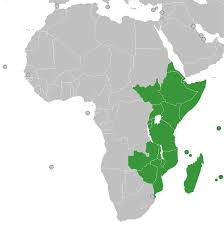
The East Africa region is increasingly defined by its rapid digitalization and improving connectivity. As regional economies invest heavily in logistics corridors, ports, and digital public infrastructure, opportunities are opening for Russian cooperation in information and communication technologies, large-scale infrastructure development, agricultural technologies, and education services. Ethiopia, Kenya, and Tanzania are emerging as important nodes in this transformation, linking inland markets with Indian Ocean trade routes and strengthening Africa’s integration into Eurasian supply chains.
Russian businesses and diplomats have also been busy establishing trade and security ties with Burundi, Somalia, South Sudan, and Uganda.
Central Africa
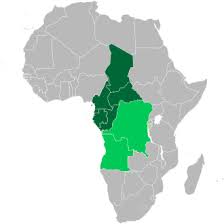
Central Africa presents a different but equally important profile. The region is exceptionally rich in mineral and energy resources but remains constrained by limited infrastructure. For Russian investors, this creates long-term opportunities in mining, hydropower development, and the construction of transport corridors that can unlock regional trade and industrial activity. Projects in Central Africa are typically capital-intensive and long-horizon, aligning with Russia’s experience in complex infrastructure and resource development under challenging conditions.
That said, the development of the Sahel region, with its uranium reserves offers a unique opportunity to assist develop this under-invested region by developing its electricity export potential, as power a latent manufacturing sector. This will take time, but developments in Mali, Burkina Faso and Niger in terms of NPP are all moving ahead.
In other areas, Russia is collaborating with Mali as concerns its gold reserves, as well as investing in early bird trade and investment relations with Cameroon, the Central African Republic, Chad, the Democratic Republic of the Congo, the Republic of the Congo, Equatorial Guinea, and São Tomé and Príncipe.
Southern Africa
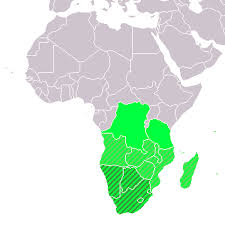
Southern Africa offers a more industrialized economic environment, particularly in countries such as fellow BRICS member South Africa, in addition to Zimbabwe. Here, cooperation increasingly focuses on manufacturing partnerships, mineral processing, and scientific and educational collaboration. Rather than raw commodity extraction, the emphasis is on value addition, technology transfer, and skills development, areas that support both Africa’s industrial ambitions and Russia’s objective of building sustainable, mutually beneficial economic ties.
Further Russian outreach is also occurring with Southern African nations such as the Comoros, Mozambique, and Namibia.
Multilateral Institutions: BRICS & South-South Relations
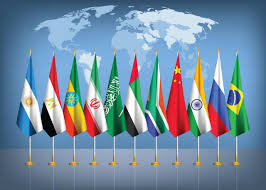
Russia-Africa cooperation is unfolding against the backdrop of a broader transition toward a multipolar global economic order. Africa’s expanding role within BRICS, the United Nations, and South-South cooperation platforms increasingly aligns with Russia’s long-standing advocacy for sovereign development paths and a more balanced global governance architecture.
The BRICS development is of specific note, with Egypt, Ethiopia and South Africa already full members, while Nigeria and Uganda are BRICS Partners. This is significant as it provides Russia, via the BRICS, with solid representation throughout Africa and within all five of the African continental regions. Neither is their inclusion accidental – all are the primary members of their own African regional trade blocs.
For example, Egypt is a leading member of the Greater Arab Free Trade Area (GAFTA), Ethiopia is a significant economy within the Common Market for Eastern and Southern Africa (COMESA), South Africa is a member of the Southern Africa Customs Union (SACU), Nigeria a key member of the Economic Community of West African States (ECOWAS) and Uganda a member of the East African Community (EAC).
Applications to join the BRICS have also been made by Burkina Faso, Chad, the Republic of the Congo, Equatorial Guinea, Morocco, Senegal, South Sudan, and Zimbabwe.
In addition to this, there have been recent calls to invite African countries to enter into free trade agreements with the Eurasian Economic Union (EAEU).
The EAEU includes Armenia, Belarus, Kazakhstan, Kyrgyzstan, and Russia and has trade agreements with China, Iran, Mongolia, Serbia, Singapore, the United Arab Emirates and Vietnam, with several others, most notably with Indonesia and India under negotiation. The EAEU fills the geographic space between Eastern Europe and Western China and has a GDP (PPP) of 5.5 trillion. Current GDP growth is running at 6%.
The Cairo ministerial conference reaffirmed shared principles that underpin these existing and potential partnerships. These include support for African-led solutions to African challenges, a clear rejection of neo-colonial economic models, and a commitment to reforming multilateral economic institutions in ways that better reflect the realities of the Global South.
Together, these principles provide the political and strategic framework within which practical trade, investment, and connectivity projects can continue to advance. The Second Ministerial Conference in Cairo was not merely symbolic. Its significance also lies in countering Western propaganda narratives of Russian neo-colonial dependency.
Russia has also been highly supportive of positioning the African Union as a permanent member of the UN Security Council, and is encouraging the mutual flow of personnel between Russia and Africa by introducing new visa-free regimes with numerous African nations.
This will boost Russian tourism to Africa, as the Russian domestic market moves away from Europe, and may later lead to employment agreements for African nationals to take selected positions within Russia to help Moscow alleviate its labour shortage. Schemes have recently been introduced to encourage Indian workers to take up contracts in Russia, mainly in the engineering and manufacturing sectors.
Russia vs. Other Global Actors

Understanding Russia’s Africa strategy requires placing it alongside other global initiatives:
China remains the dominant non-African trade and infrastructure partner, with trade well over US$ 200 billion and massive Belt and Road investments. It also has a significant ethnic diaspora resident throughout Africa.
India also exerts a great deal of political and trade influence in Africa, again through a long-standing trade and Indian diaspora throughout the continent. India is a major investor in Africa, with cumulative investments exceeding US$75 billion by 2024, making it one of the top five investors, focusing on infrastructure, energy (especially renewables), IT, pharma, and manufacturing, offering concessional loans and grants. India is aiming for US$150 billion in investments by 2030 as part of a strategic partnership alongside growing trade.
The European Unionand United States engage through development finance, trade agreements such as the United States AGOA, and strategic investment packages such as the EU’s Global Gateway although it remains uncertain exactly how effective these have recently been with both engaged in political differences with Africa and elsewhere.
The Middle East -primarily the UAE, Saudi Arabia) and Turkiye are also expanding their economic footprints in key African markets.
Russia’s advantage lies in diplomatic goodwill, historical ties from the Soviet era, and a narrative of non-conditional cooperation. However, investment scale and infrastructure financing capacity lag behind China and India. But Russia needs a long-term strategic policy and sustained investment momentum, especially as its international reserves reached a record high of US$725.8 billion as of November 1, 2025.
Challenges and Caveats
Despite promising rhetoric and emerging frameworks, several challenges could inhibit deeper economic integration:
Infrastructure Deficits
Limited transport and logistics networks hinder continental value chains. Real progress requires heavy, sustained capital investment.
Competition from Other Global Actors
Both China and Europe’s deep financial resources and long-established projects create stiff competition for Russian firms, although there are now questions about Europe’s longer term ability to maintain productive investment and trade relations with Africa. Both France and the UK, previously major investors in Africa, are experiencing significant difficulties as resistance to perceived colonial-era exploitation emerge.
Sanctions and Financial Constraints
Russian entities operating under international sanctions face financial and operational hurdles that could complicate investment execution.
Structural Trade Imbalances
Current trade patterns remain skewed toward primary commodities, necessitating structural shifts toward higher value-added trade.
Summary: Toward a Balanced and Strategic Partnership
As Africa positions itself as a central actor in a shifting global economy and Russia seeks diversified alliances beyond traditional Western circuits, the Russia-Africa partnership is maturing into a robust engagement framework. The Cairo conference demonstrated a mutual willingness to advance trade, investment, and connectivity beyond rhetoric toward measurable outcomes.
For Russian investors, Africa offers market expansion, multiple resource partnerships, and a huge variety of new avenues for export and investment. For African economies, it represents a single partner that frames cooperation around sovereignty, local capacity building, and multi-vector engagement.
Yet mutual success will depend on closing structural divides, addressing financial and infrastructure barriers, navigating global competitor’s competition challenges and translating political will into tangible economic impact not only between capitals but in the daily economic lives of citizens across Africa and Russia.
The Second Russia-Africa Ministerial Conference may be seen not as a culmination, but as a strategic inflection point – one where both sides choose whether to transform potential into lasting, equitable prosperity in an era of multipolar opportunity.
With trade rising, connectivity expanding, and investment pipelines maturing, the road to the upcoming 2026 Russia-Africa Summit is increasingly defined by measurable economic outcomes rather than declarations. As Africa consolidates its role as a pillar of the global economy, and Russia reorients its economic geography toward the Global South, their partnership, rooted in history, reinforced by data, and driven by mutual interest, stands to shape a new chapter in Eurasian-African economic integration.
This article was provided by Ms. Khatun, an international economic and trade development analyst based in Dhaka. To contact her, please email info@russiaspivottoasia.com
Further Reading
Russia’s Developing Trade & Investment In Africa: Background and Current Status