
 Русский




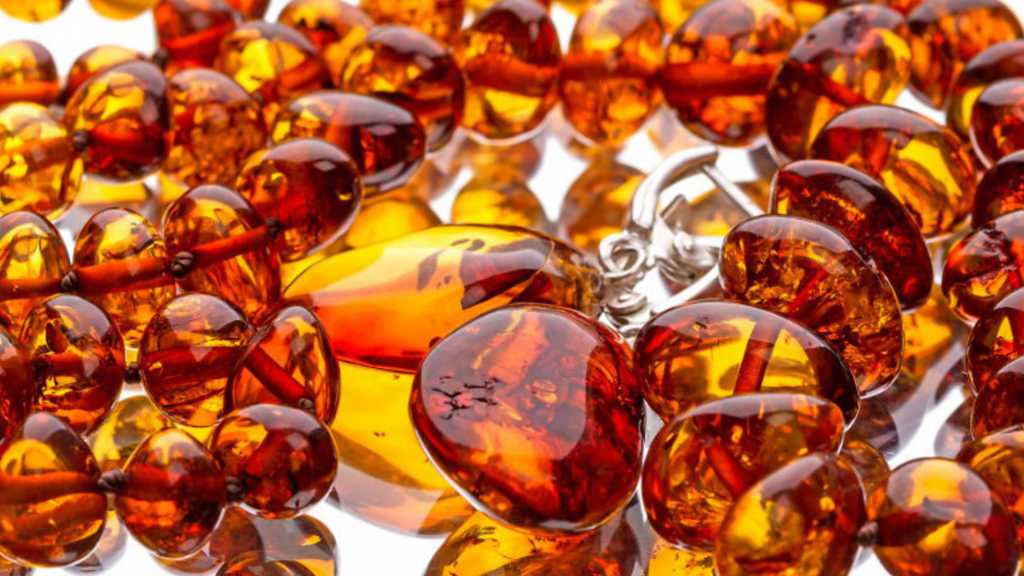

Amber mining in Russia increased 13% to produce 726 tonnes in 2025, while two new deposits with a potential output of 183 tonnes will be brought into operation in 2027, according to the Russian Natural Resources Ministry.
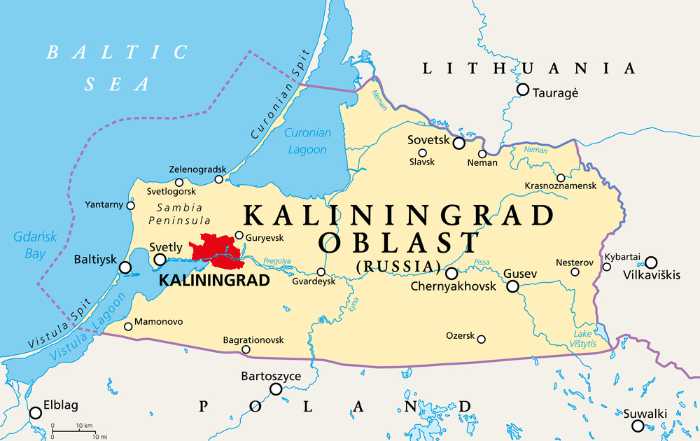
Around 90% of the world’s amber reserves are concentrated in Russia, with five main deposits containing total reserves of 112,400 tonnes located in the Kaliningrad region. Currently, there are four licenses for the use of subsoil for geological study, exploration, and mining of amber, three of which are mining licenses.
The ministry stated that “mining is only being carried out at the Primorskoye deposit in the Kaliningrad region. Mining levels are growing; 530 tonnes were mined in 2023, over 640 tonnes in 2024, and over 726 tonnes in 2025. The Vishnevoye and Melnikovo deposits are being prepared for development, and their commissioning is expected in 2027. In total, it is planned that 183 tonnes of amber will be mined annually at these facilities. At the end of 2026 / beginning of 2027, an auction for a site of federal significance will be announced, including the central, southern, and northern sites in the Baltic Sea water area. The country has prospects for discovering new amber deposits. Forecast resources of categories P1 and P2 amount to 66,100 tonnes, and category P3 amounts to 118,600 tonnes. They are mainly localized in Kaliningrad.”
Alexander Kozlov, the natural resources minister, said that “Baltic amber is traditionally considered one of the most expensive, and demand for it is growing. According to the Kaliningrad Amber Combine, the number of companies that purchase stone at auctions increased 24% in 2025 alone. Stones weighing more than one kilogram that meet a number of parameters are classified as precious under Russian law. At the same time, nuggets weighing 2 kg or more are periodically found in the Baltic. One of the most recent, the Record Holder stone, weighing 2.37 kg, was mined in 2025. In around 10% of stones there are preserved plants, insects, and even small lizards. They once stuck to the resin and were covered with new layers, and in this form, they were preserved for millions of years. Such stones are of great value not only to collectors but also to scientists. For example, a stone was found in the Baltic that preserved a dragonfly around 50 million years old. Just last year, in Kuzbass in Cretaceous layers, amber that was around 100 million years old was found, inside of which there are the spores and pollen of ancient plants.”
Russia holds over 90% of the world’s extractable amber, with the state-run Kaliningrad Amber Combine dominating global supplies. China buys most of the exports, while Russia also exports to Kuwait, the UAE, Serbia, and Kazakhstan.