 Русский





The Armenian economic minister, Gevorg Papoyan, and Russia’s trade & industry minister, Anton Alikhanov, have discussed the development of trade and economic ties at meetings in Ekaterinburg.
The Armenian Economic Ministry stated that “current trends in trade and economic relations between Armenia and Russia were discussed at the meeting, as well as expanding industrial ties and stimulating investment programs. The two sides confirmed their readiness to continue constructive dialogue with the aim of further developing bilateral trade and economic ties and cooperation in the industrial sector.”
Papoyan is in Ekaterinburg as part of a delegation led by Armenian Prime Minister Nikol Pashinyan.
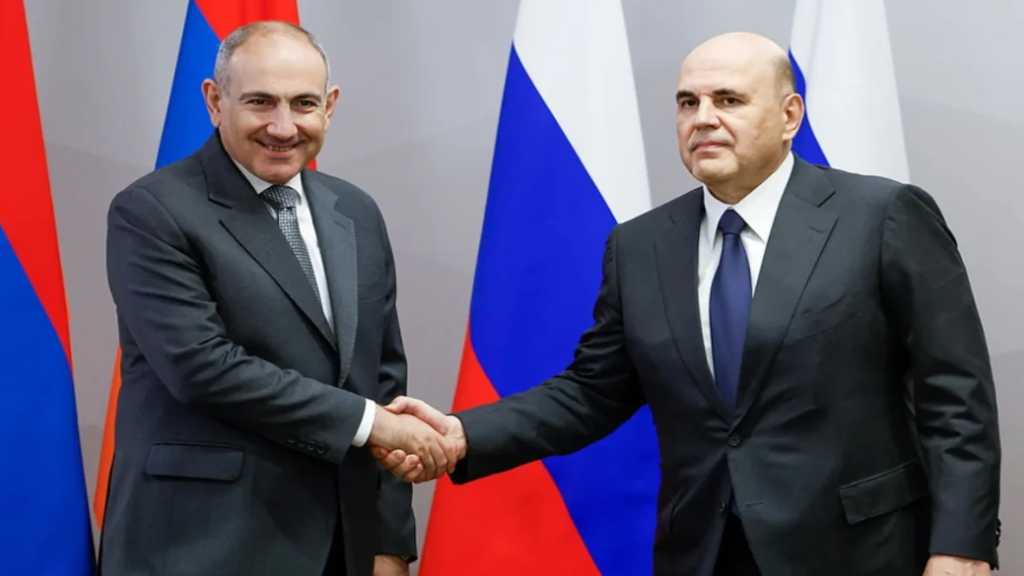
Russian Prime Minister Mikhail Mishustin also held a meeting on Monday (July 6) with Pashinyan on the sidelines of the Innoprom exhibition, which is currently taking place in Ekaterinburg. The Russian side expects that the new Armenian government, which will be formed following the elections in the country, will ensure the development of Russian-Armenian relations in the spirit of friendship and consideration of mutual interests, Mishustin said. Pashinyan in turn said that Armenia is committed to further developing relations with Russia and participating in the Eurasian Economic Union (EAEU).
The recent active rapprochement of Yerevan with the European Union and the discussion of Armenia’s possible future accession to the EU has drawn a negative reaction from Moscow. Russian Deputy Prime Minister Alexei Overchuk said that while no one is excluding Armenia from the EAEU, Yerevan must decide on its choice—the Eurasian Economic Union or the EU—and the sooner the better. Should Armenia decide to join the EU, numerous EAEU trade preferences for Armenia will be lost, customs duties will arise, and gas prices will also change.
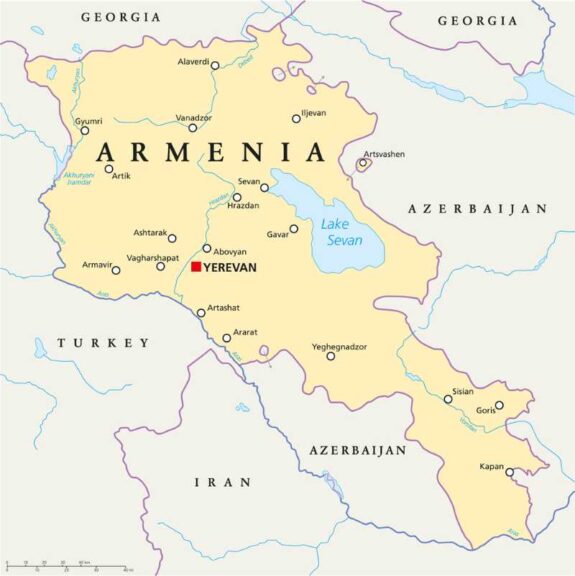
Pashinyan, also commenting on the situation, said that Armenia has not set itself the task of withdrawing from the EAEU and is not yet ready to be a member of the European Union. The country’s goal is reforming and adapting to EU standards, he said. The head of the European Commission, Ursula von der Leyen, promised Yerevan assistance in the event of Russia increasing prices for natural gas supplied to the country during a visit to Yerevan in early July. In addition, the European Union intends to introduce autonomous trade measures for Armenia that will allow approximately 80% of Armenian exports to be exempted from duties, she said.
Analysis
Pashinyan is playing a very hardball game of trade diplomacy here. While the decision to upgrade Armenia’s export standards to reach those required by the European Union is an admirable goal, this issue has already been covered as part of the existing EU-Armenia Comprehensive and Enhanced Partnership Agreement (CEPA), which came into effect in March 2021 and proposed expanding trade liberalization by making up to 80% of Armenian exports to the bloc duty-free, as well as gradually aligning Armenian business regulations with EU standards. To this end, Armenia’s recent elections, held on a controversial premise that the country should join the EU, are a step beyond mere standards alignment.
The problem Pashinyan faces is that the EU currently only makes up a small percentage of Armenian trade, and the country has no natural border with the bloc. He is also running the serious risk of upsetting other members of the EAEU who wish to know how their future trade development strategies are to develop, and whether these should include Armenia or not. After all, the EAEU is busy expanding east—it has significant new trade agreements in place with Indonesia, Iran, and the UAE and is negotiating deals with China, India, and Egypt. If Pashinyan isn’t careful, Armenia could fall into the crack created by the Russia-EU rift and create serious economic and trade damage to the country as a whole. Yerevan has a choice to make: to look to the West or the East. Between them is a geopolitical chasm.