
 Русский






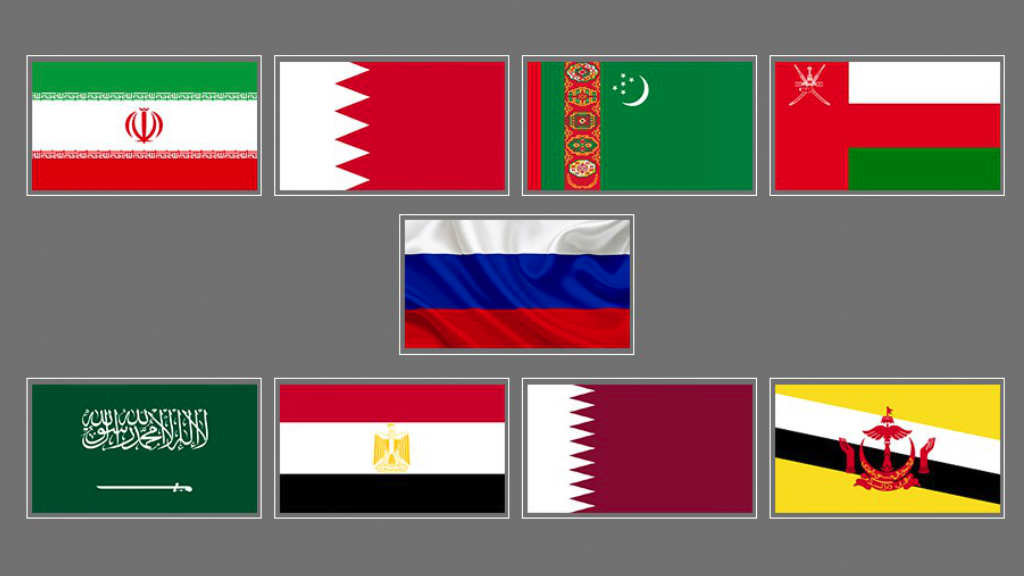

The Russian Foreign Minister, Sergey Lavrov, has been in regular communication with the Middle East regional Foreign and other Ministers of Iran, Brunei, Egypt, Oman, Qatar, Saudi Arabia, Turkmenistan and the UAE as Moscow looks towards organising security and supply chains in the wake of the unprecedented US-Israeli attacks on Iran.
Lavrov also held discussions with the Foreign Ministers of China, Cuba, South Africa and Venezuela.
These discussions follow President Putin’s discussions with the leaders of Bahrain, Qatar, Saudi Arabia, and the UAE on Tuesday (March 2).
In contrast, there have been no reports of the US Secretary of State, Marco Rubio, nor the European Union’s Kaja Kallas, in doing the same.
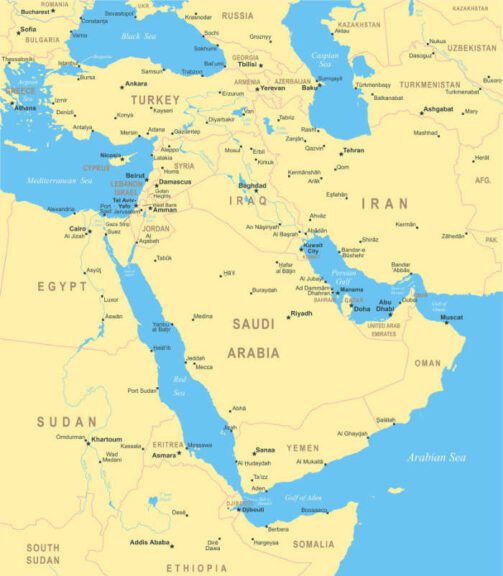
The discussions all condemned the US-Israeli attacks on Iran, which is significant given these nations represent most of the Middle Eastern region plus additional energy powers—Venezuela and Brunei as producers in addition to China as the world’s largest consumer. Cuba, meanwhile, is under a US blockade that is threatening energy supplies to the country. Most of the countries Lavrov spoke with are members of or have relations with OPEC.
The Chinese Foreign Minister, Wang Yi, also held talks last month with Russia’s Head of the Security Council, Sergey Shoigu.
While little background was given about the content of these discussions, it is apparent that intelligence would have been shared and opinions formed about resolving the Iranian issue as well as discussions concerning appropriate reactions. A common theme was the need for resolution at the level of the United Nations; however, this comes at a time when the United States has said the world needs ‘American leadership’ and has been overly critical of the UN—which is also facing a financial shortfall and is not as fully operational as it should be. In January this year, US President Trump signed a memorandum that ceases United States funding and participation in 66 international organizations, including 31 UN organizations.
Western media reported that Tehran had offered to resume discussions on its nuclear programme, however on March 2, two days after the initial US-Israeli attacks, the Iranian Secretary of the Supreme National Security Council of Iran Ali Larijani stated: “We will not have any negotiations with America.” Mohammad Mohber, an adviser to the deceased supreme leader of the Islamic Republic, also said that Iran has no grounds for negotiations with the United States as Tehran does not trust Washington. On March 3, US President Donald Trump said on his Truth Social network: “They want to talk. I said, It’s too late.” It is of note that it is Moscow who has reached out to the larger regional players and is looking to coordinate intelligence, gather regional opinions, and formulate responses.