 Русский







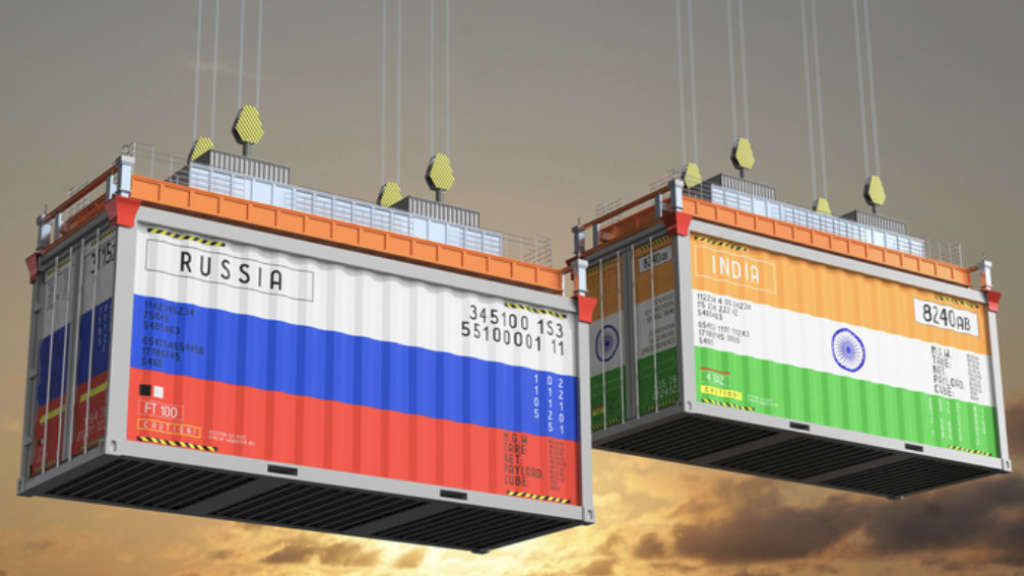

Russia is activating the launch of the Chennai–Vladivostok maritime corridor, which links the southeastern coast of India with the Russian Far East and gives importers and exporters a shorter logistics trajectory. The route can reduce delivery times to 24 days from 40+ on longer routes.
For exporters, these provide a reduction in warehouse and financial costs, and for carriers, a chance to collect a stable cargo flow and income from a regular line.
Valery Khodzhaev, the Russian Consul-General in Chennai, says that “From a strategic point of view, the Chennai–Vladivostok corridor is extremely important. We are working to make this route operational. This will not happen overnight, but it is an initiative that we are obliged to implement. We are working to make our trade more balanced. Southern India, in particular, plays a large role in several developments—the modernisation of Indian railways, energy, technology, and industry.”
For logistics operators, this is a rational choice. India’s southern states provide an industrial base, export clusters, and competencies in engineering, pharma, and processing. A port-to-port corridor is easier to develop when there are clear cargo generation points and regular contracts on both sides.
Khodzhaev added that “Many Indian companies are already actively working with Russia—especially in pharmaceuticals, agriculture, healthcare, shipbuilding, and aircraft manufacturing.“
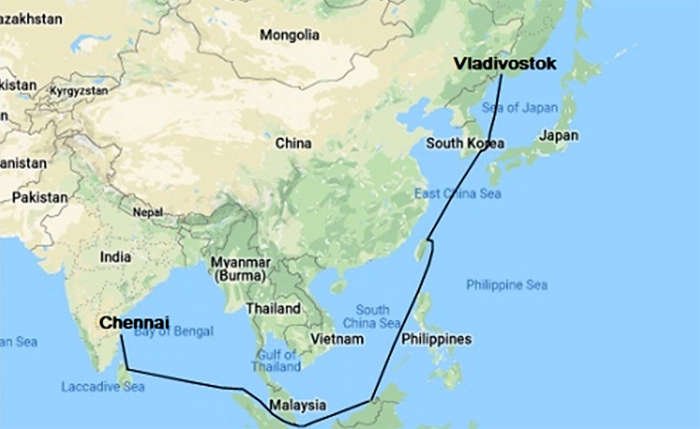
This alternative route appears to be an optimal solution for part of the flows that currently go through congested or longer chains. The shorter the “sea + leg to the warehouse,” the easier it is to maintain the price in B2B contracts and delivery stability.
The structure of service demand is changing: the role of forwarding, port processing, insurance, and turnkey container services is growing because the guaranteed delivery to the gate is important to the participating businesses.
Competition for regularity is also intensifying. For the corridor to become commercially sustainable, predictable volumes, vessel arrival schedules, and clear conditions for return loading are needed—otherwise tariffs will eat up the benefit from the time reduction.
If the Chennai-Vladivostok corridor can be moved to stable operations, it will become a new bilateral tool for reducing logistics risks and accelerating trade—especially for companies working with long production chains and expensive circulating capital.