
 Русский







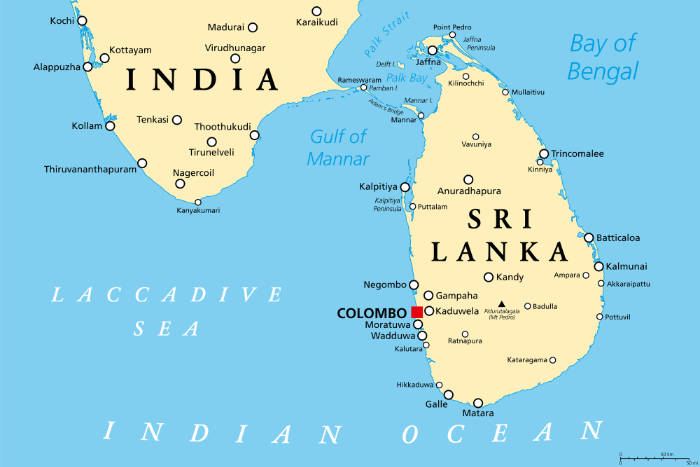
Russian Deputy Energy Minister Roman Marshavin has discussed prospects for bilateral cooperation in the fuel and energy sector with the leadership of Sri Lanka, including President Anura Kumara Dissanayake. The country has been hit with fuel shortages due to the problems in Iran and has also been facing economic problems.
The two sides discussed the possibility of increasing supplies of energy resources to Sri Lanka and Russian companies’ possible involvement in investment projects in the country.
Particular attention was focused on the issues of cooperation on training workers for the fuel and energy sector and technological sovereignty. The Russian side confirmed its willingness to assist in training Sri Lankan professionals in the energy sector at major Russian energy companies and expressed a willingness to share expertise in digitalization and cybersecurity in the fuel and energy sector.
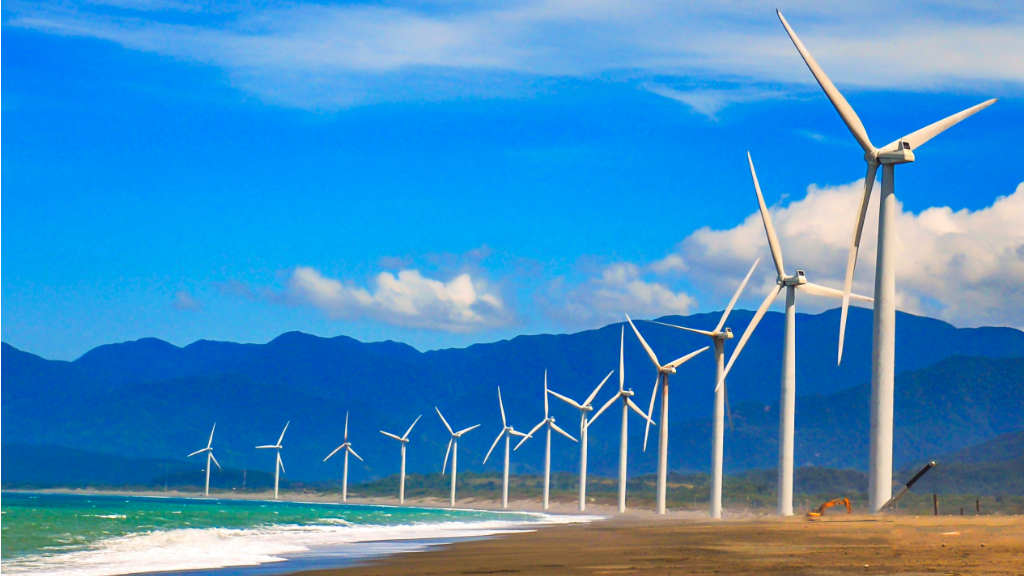
Sri Lanka’s energy system is a blend of imported fossil fuels and domestic renewable resources, with coal and oil dominating electricity generation, hydropower providing the bulk of renewable energy, and solar, wind, and biomass steadily increasing. The country is actively pursuing renewable energy expansion and energy efficiency measures to enhance energy security, reduce greenhouse gas emissions, and achieve sustainable development goals. By 2030, Sri Lanka plans to meet 70% of its electricity needs from renewable sources, and 100% by 2050.
During his visit to Sri Lanka, Marshavin also held meetings with the country’s Energy Minister Kumara Jayakody; Labor Minister and Deputy Minister of Finance and Planning Anil Jayantha Fernando; and Central Bank Governor Nandalal Weerasinghe with a view to progressing matters and the practical implementation of reaching agreements.