
 Русский






Bilateral trade between Russia and Ethiopia saw significant growth during 2025, nearly tripling year-on-year to US$435 million, according to Evgeny Terekhin, the Russian Ambassador to Ethiopia.
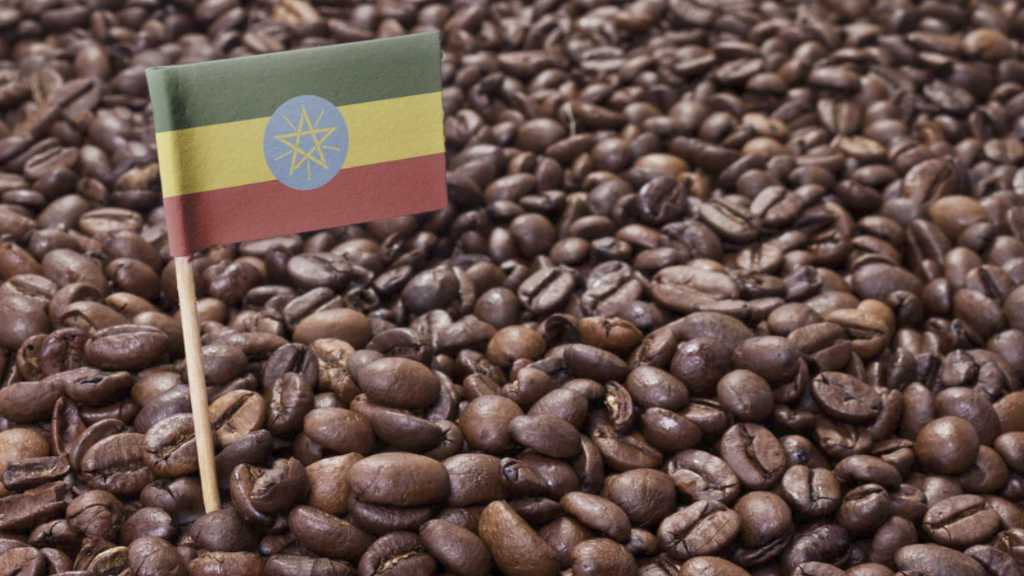
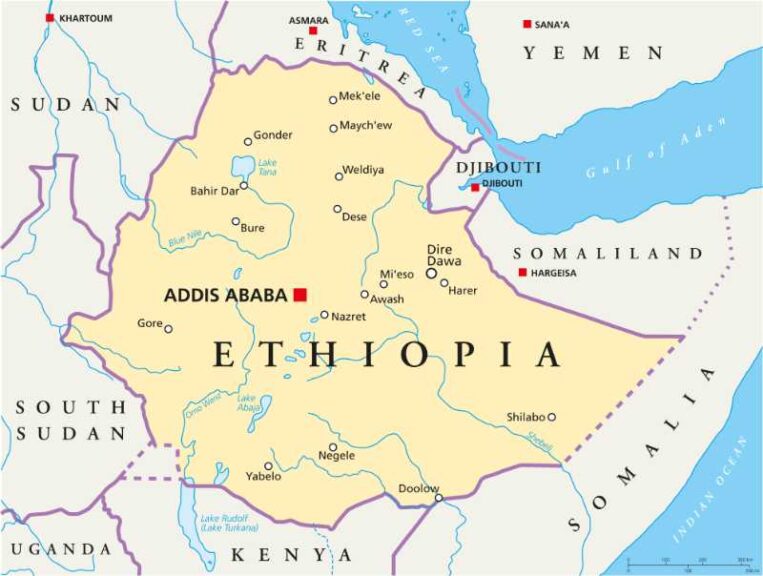
He added that coffee has also emerged as a standout product in bilateral trade. Ethiopian varieties, particularly from the Sidamo and Harar regions, are gaining popularity in Russia.
Terekhin stated that “Traditional export items are acting as growth drivers: Russia is increasing supplies of fertilizers, agricultural machinery, and energy equipment, while Ethiopia is boosting exports of coffee, flowers, and textiles. Statistics confirm growing interest: if in 2024 the volume of supplies amounted to US$45.9 million, by the end of 2025 it had grown 2.6 times to reach US$123.3 million. In physical terms, our imports increased from 8,300 tons to 18,300 tons.”
Beyond the goods trade, Ethiopia has granted Russian marketplaces a “green corridor” to help them establish operations. Wildberries and Russ, now merged as RWB, are adapting their product range for local demand and preparing to enter the market and are being supported by Ethiopia’s sovereign wealth fund.
“The entry of Russian tech giants into the Ethiopian market is no longer a hypothesis but an actionable plan,” Terekhin said, adding that “the parties are in the stage of actively working out the details: the process of adapting the product assortment to the specifics of local demand and integrating technical solutions is underway.”
According to the Ambassador, the arrival of major Russian e-commerce players could give a strong boost to Ethiopia’s retail sector and signal broader opportunities for Russian IT companies across Africa. He linked this surge not only to expanding commodity flows but also to progress on major joint projects. He highlighted the November 2025 meeting of the bilateral Intergovernmental Commission on Economic, Scientific-Technical Cooperation and Trade, where agreements were signed between aluminum giant Rusal and Ethiopian Investment Holdings to discuss the construction of an aluminum plant in Ethiopia.
Rosatom, Russia’s nuclear power agency, is conducting a feasibility study to develop an NPP in Ethiopia. This will assess Ethiopia’s non-energy sector to identify how nuclear technology can address the country’s economic needs. This analysis will help compile a list of potential users of these technologies, laying the groundwork for a market for commercial products and services based on potential NPP capabilities.
With a population of about 132.06 million, Ethiopia has a GDP (PPP) of US$631.8 billion, a 2025 GDP growth rate of 6.4%, and a GDP per capita (PPP) of US$4,045.
The bilateral trade dynamics between Russia and Ethiopia have been positive following Ethiopia’s BRICS membership in January 2024.