
 Русский









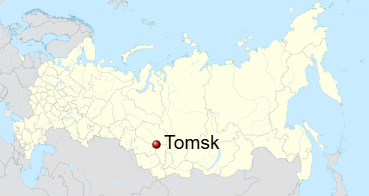
Russia’s Tugansk Mining and Processing Plant Ilmenite (TMPP Ilmenite, Tomsk region, part of Rosatom Nedra) is to implement the second stage of its Titan project at the Kuskovsko-Shiryaevsky site, allowing the company to increase its market share of zirconium concentrate in Russia from 21% to 84%, according to General Director Konstantin Sheptalin. He was speaking at the “Mining. Enrichment. Metallurgy” forum in Novosibirsk.
Sheptalin said that “In some years, there will be a production surplus. The Asian market is ready to consume zirconium concentrate of today’s quality without any additional refinement. By 2032, we plan to reach a production level of about 17,000 tonnes of zircon concentrate per year. We plan to eliminate surplus in the Russian market and export our excess concentrate.”
The Tugansk Mining and Processing Plant was established in September 2002 to develop the Tugan deposit of ilmenite-zircon sands. In May 2022, the plant reached its design capacity of 575,000 tons of sand per year. Currently, the project of large-scale development of the deposit is being implemented by involving the resources of the Kuskovo-Shiryayevsky licensed area in production and increasing production capacities to 6.9 million tons of ore sands per year. The project provides for the design and construction of a mining and processing complex for the production of zircon, ilmenite, rutile-leucoxene, and quartz sand for the glass industry; new infrastructure facilities; and a transport and logistics terminal. In total, the facility intends to launch three lines with a capacity of 2.3 million tons of ore sands per year by 2030. The investment in the second stage of the Ilmenite facility production is estimated at ₽42.4 billion (US$503 million).
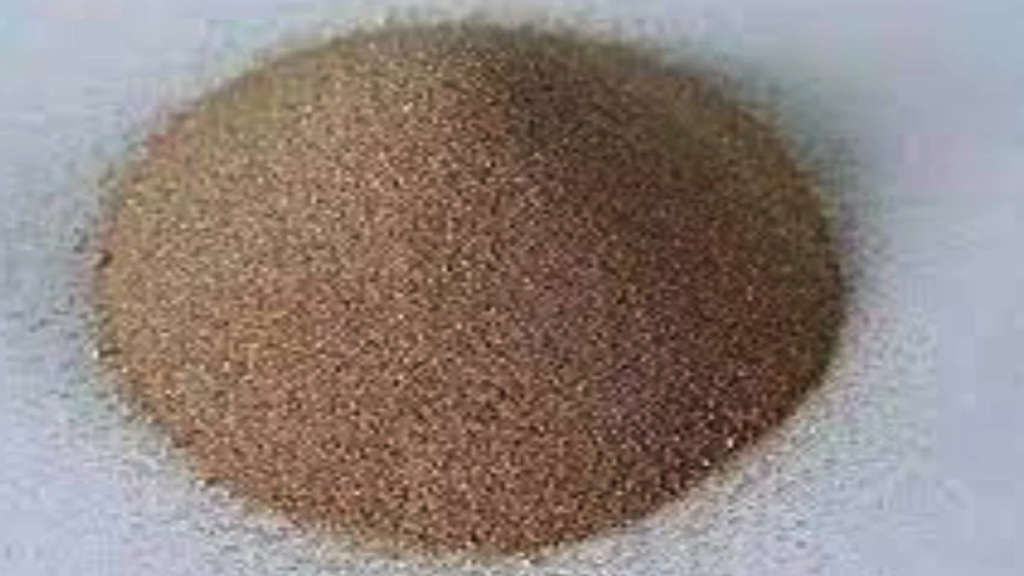
Zirconium concentrate is a valuable mineral resource with a wide range of applications across various industries. It is known for its high heat resistance, chemical stability, and corrosion resistance, making it suitable for use in ceramics, refractories, nuclear energy, and specialty alloys. The concentrate appears as light brown to grayish granules and is processed to extract zirconium and hafnium for industrial applications. It is used in ceramic glazes and tiles to enhance durability and whiteness, in high-temperature refractory materials for furnaces, kilns, and foundries, and in glass manufacturing to improve resistance to thermal shock. Additionally, zirconium concentrate is the primary source of zirconium metal, used in nuclear fuel cladding due to its low neutron absorption, and plays a vital role in nuclear reactor components for enhanced safety and efficiency.