
 Русский





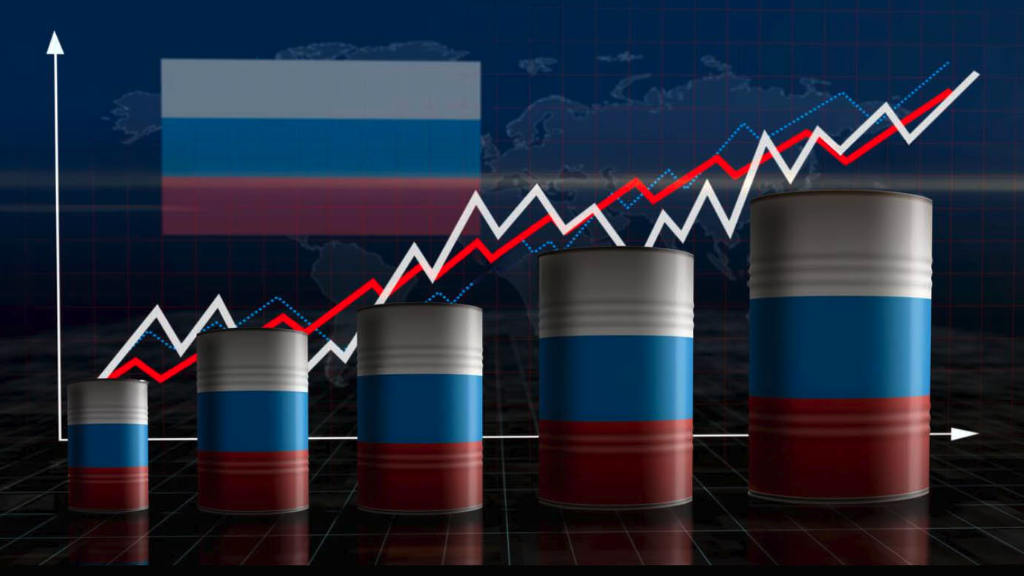

Russia will not supply oil to the countries that maintain a price ceiling, according to the Russian Deputy Foreign Minister, Andrey Rudenko.
He stated that “The energy markets are very volatile now; there is a shortage and a price rise. However, the Japanese government is bound by obligations to impose a price ceiling on Russian oil, an anti-market measure that disrupts supply chains. Russia will not supply oil to countries that support this provocative venture.”
The G7 countries, along with Australia, have imposed price caps on Russian oil and petroleum products. These countries have set a maximum price of US$45 per barrel for “discount to crude” petroleum products, including fuel oil and naphtha, and US$60 per barrel for Russian crude. The price caps are subject to review and amendment by the Price Cap Coalition and are intended to be set at least 5% below the average market price. The aim is to reduce Russia’s oil revenues and ability to fund military activity in Ukraine through inflated global oil prices, while enabling oil to continue to flow to the third countries that need it. The G7 includes Japan as well as Canada, the European Union, the United Kingdom, and the United States. Out of these, Canada and the United States are significant exporters, while Japan currently maintains substantial reserves, although it has been releasing these onto its domestic markets the past week.
According to JP Morgan’s chief economist Bruce Kasman, should the Strait of Hormuz remain closed for another month, the price of oil will likely rise to US$150 a barrel and possibly beyond.
Russia has also previously stated that LNG gas supplies would be prioritized to Asia and that unfriendly countries would be the last in the line to receive supplies of Russian LNG. The European Union, for example, has stated that it would cease all supplies of Russian LNG by 2027. Moscow has replied that it will bring that date forward to increase supplies instead to countries such as China, India and Vietnam as these are now priority developing markets. There are European exceptions. Serbia’s President, Aleksandar Vucic, has just agreed a Russian LNG contract extension with President Putin at ‘favorable rates.’ Hungary and Slovakia are also negotiating LNG supplies ‘on favourable terms’ with Russia.
Rudenko said that official appeals from other countries for supplies of Russian oil will be given careful consideration. When making energy supply decisions, the existing bilateral political relations between Russia and the specific country, as well as the protection of Russian national economic interests, will be prioritized.