
 Русский




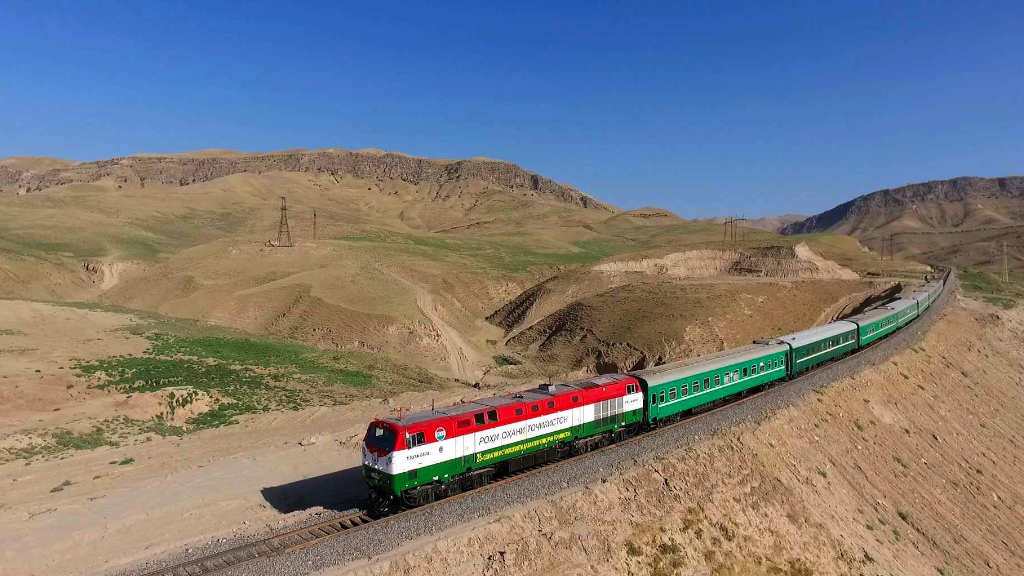

Tajikistan’s Deputy Transport Minister Shoista Saidmurodzoda has discussed the acquisition of Russian railway equipment, including innovative freight, passenger, and special cars, as well as equipment for their maintenance, including on leasing terms, with State Secretary and Russian Deputy Transport Minister Dmitry Zverev, the Tajik Transport Ministry has stated.
During the talks, which took place in St. Petersburg as part of the first International Transport and Logistics Forum, the parties noted the positive dynamics of growth in freight and passenger traffic between the two countries. In particular, this is facilitated by existing tariff preferences, including a reduction coefficient for imported agricultural products transported by rail from Tajikistan to Russia.
The two sides also noted the stable annual exchange of permits for road freight transportation to and from third countries and discussed the prospects for creating transport corridors to increase freight levels and the further implementation of navigation seal technology in road transportation.
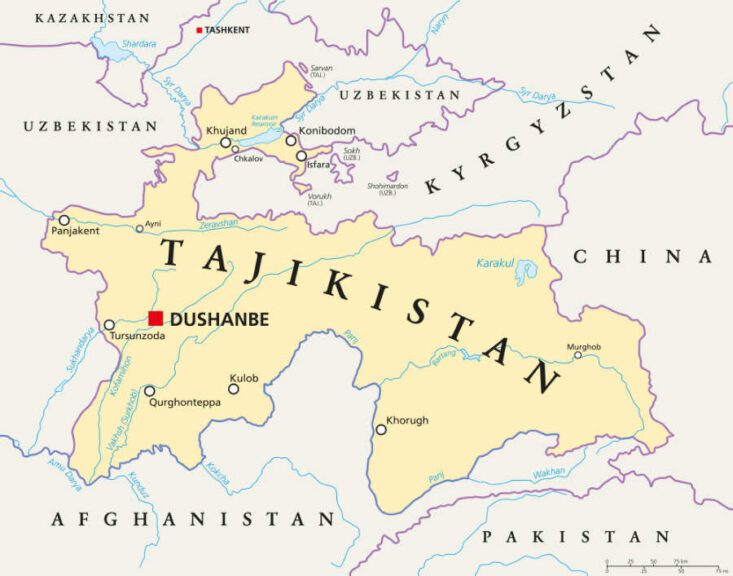
Attention was paid to the possibility of resuming passenger railway service on the Dushanbe-Moscow route. In addition, the development of alternative routes and the removal of infrastructure restrictions, including the organization of a regular bus service between the two countries’ cities, were discussed.
The parties confirmed their interest in Russian companies’ participation in implementing transport and logistics projects in Tajikistan and also noted the continuation of work on the interdepartmental road map for cooperation in the transport sector for 2025-2030.
Tajikistan is a member of the Commonwealth of Independent States, which includes Russia. Bilateral trade during 2025 experienced strong growth, with a total trade turnover of about US$2.6 billion, an increase of 17.3% over the previous year. 97% of these transactions were settled in national currencies. Key sectors include energy, textiles, and industrial manufacturing.
Russia supplies the majority of Tajikistan’s oil and petroleum products (often duty-free), with significant involvement in electricity generation such as the Sangtuda-1 hydropower project.
A key focus during last year was the expansion of industrial cooperation, including a new joint textile cluster, the opening of a Russian-Tajik Industrial Park in Dushanbe, and the entry of Russian e-commerce company Wildberries into the Tajik market. The countries are aiming to increase bilateral trade by 2.5 times by 2030, which would bring mutual trade to about US$5-6 billion in total if these goals are reached.