 Русский




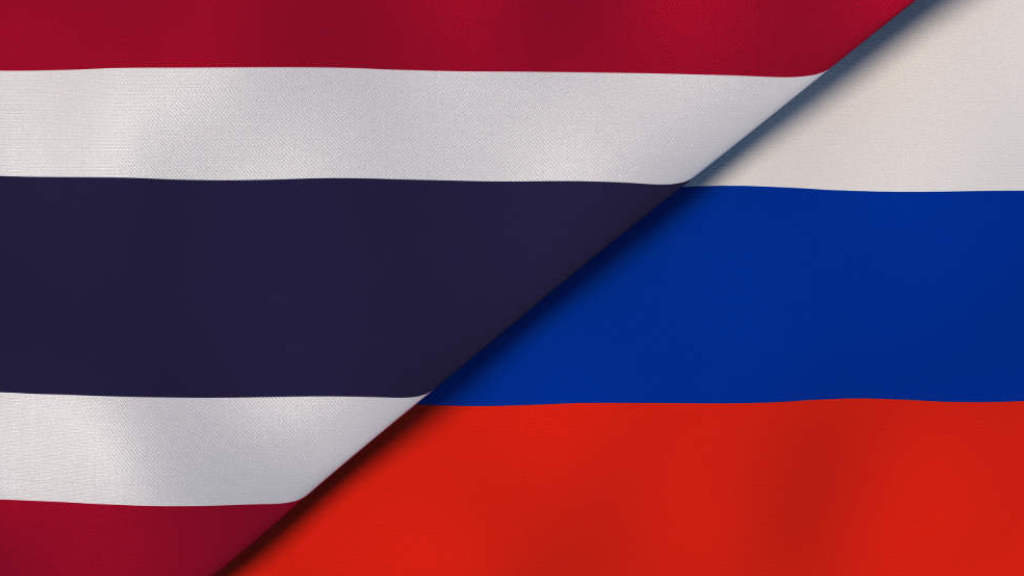

The First Russia-Thailand Investment Forum (RTIF 2025) was held in Phuket on November 26-28, 2025, and emerged as a flagship event for Russia’s engagement not just with Thailand but also with ASEAN. It represents not only an unprecedented platform for dialogue and business matchmaking but also a strategic milestone in the broader Eurasian-ASEAN economic integration. Thailand became a BRICS partner nation on January 1 this year and has also expressed interest in a free trade agreement with the Eurasian Economic Union. The Phuket event was to both gauge and encourage bilateral trade and investment potential.
Strengthening Bilateral Economic Ties: A Growing Imperative
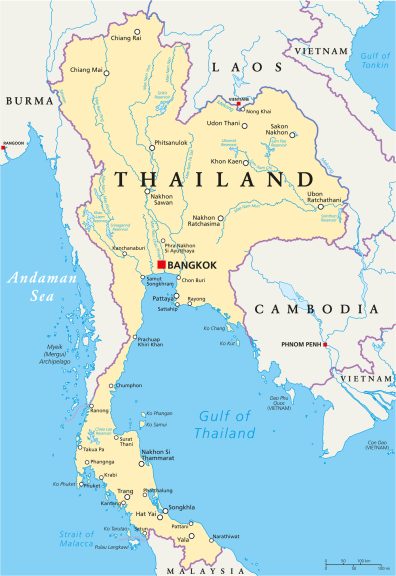
Russia and Thailand’s economic cooperation has steadily expanded over the past decade, moving beyond traditional trade in commodities like petroleum products, metals, and fertilizers towards more diversified, value-added sectors. Current trade turnover between the two countries reached approximately US$2 billion in 2024 with a growth in mutual trade of about 8%, while Russian investments in Thailand have surpassed US$6-7 billion, notably dominating 40% of Thailand’s foreign real estate market. Russian exports to Thailand have increased by 50%, led by fertilizers, pesticides, metal ores, metal scrap, and chemicals. Russia continues to anchor Thailand’s European tourism segment, with arrivals poised to hit the two-million mark this year, underscoring the resilience of people-to-people ties despite global headwinds and Western economic bullying, underscoring tremendous opportunities for mutual investment in the tourism and hospitality sector.
This robust trade and investment presence and people-to-people exchanges reflect the confidence Russian businesses and investors have in Thailand’s economic potential and strategic location within Southeast Asia. Russians snapping up villas in Phuket at unprecedented rates has turned Phuket into one of Asia’s hottest property frontiers, fueling a new wave of development. Russians ranked second in purchasing power, trailing only Chinese buyers, capturing a significant 60% share. With Russian investments accounting for nearly half of Thailand’s foreign real estate market, the Kingdom stands as a vital gateway for Russia’s expanding presence in ASEAN. Strengthening this relationship is key to unlocking Eurasian-ASEAN economic synergy in the real estate sector.
Russian fertilizer exports to Thai markets surged by 50%,and Thai rubber imports to Russian markets rose by 28%, showcasing the trade significance of the economic complementarity, signaling moderate but steady efforts toward balancing trade flows between the two countries and enhancing trade diversification. Thai products such as rubber goods, aircraft and spacecraft parts, and machinery components have recently been gaining strong traction in the Russian market.
Yet, these figures merely scratch the surface of untapped potential. With Thailand’s population of over 70.27 million and a PPP-adjusted GDP exceeding US$1.5 trillion in 2024, alongside Russia’s population of roughly 144 million and a PPP GDP near US$7.4 trillion, the economic complementarities between the two nations are clear. By 2030, Thailand’s economy is expected to soar to roughly US$2.5 trillion, an outlook that underscores the country’s growing regional economic weight. Thailand’s rapid GDP growth, estimated at 3.5% annually, and Russia’s steady recovery at around 2-3% over the next 3 years provide fertile ground for expanding bilateral cooperation across multiple sectors. The essential point is that businesses in both countries are determined to cooperate and are seeking new models of interaction amid the tightening of the so-called Western sanctions. This pressure is not discouraging partnership, but it is accelerating the search for practical, resilient formats of Russian–Thai economic cooperation.
The Forum: A Platform for Strategic Economic Collaboration
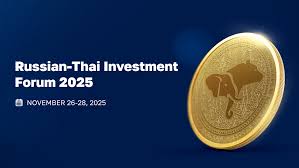
The RTIF 2025 convened over 400 investors, government officials, business leaders, and experts from Russia and Thailand, including representatives from more than 200 companies across logistics, tourism, finance, IT, education, healthcare, infrastructure, and the creative economy. Hosted by the Russian-Thai Business Council with support from the Russian Ministry of Industry and Trade and the respective embassies, the forum’s agenda focused on pragmatic discussions around joint investment projects, digital transformation, and the development of new business ecosystems. High-profile participants, including deputy ministers, ambassadors, and heads of major corporations like Rosatom State Corporation and Sberbank, underscored the importance of fostering long-term business partnerships anchored in trust, transparency, and mutual benefit.
Opportunities for Russian Companies and Investors
- Infrastructure and Integrated Development
Thailand’s rapidly evolving infrastructure sector offers myriad opportunities for Russian investors, especially in developing integrated territorial projects akin to Russia’s successful Integrated Territorial Development (ITD) model. Phuket’s existing Laguna complex stands as an example, but the Kingdom’s need for more such high-profile, master-planned development zones invites Russian expertise and capital. Russia’s experience with regulatory frameworks protecting investors and streamlining complex real estate projects could provide a blueprint for Thailand, potentially unlocking billions in investments.
- Digital Transformation and FinTech
The digital economy forms a cornerstone of the Russia-Thailand partnership agenda. Russia’s advancements in AI, cybersecurity, industrial software, digital economy, and fintech solutions align well with Thailand’s mass adoption of digital platforms in tourism, e-commerce, and smart city projects. The forum highlighted how Russian expertise and technology transfer could be adapted to boost Thailand’s economic transparency and efficiency. Russian firms and startups have the opportunity to collaborate on joint digital sovereignty projects, developing technology ecosystems that reduce dependence on foreign suppliers and enhance diversification and competitiveness while expanding into ASEAN markets. This strategic cooperation in digital infrastructure promises to enhance bilateral trade and investment flows substantially.
- Healthcare, Biotech, nuclear energy and Medical Tourism
Thailand’s global leadership in medical tourism, combined with Russia’s burgeoning biotech and healthcare innovation sectors, presents unique collaboration possibilities. Joint ventures in biotech research, medical equipment production, and wellness tourism can tap into growing consumer demand and government incentives on both sides. With Thailand’s healthcare market estimated at over US$45 billion and growing, Russian companies have the chance to participate in a high-growth segment with significant export and partnership potential. Russia’s advanced nuclear energy technology presents significant investment opportunities for Thailand’s emerging nuclear sector. Collaboration could accelerate Thailand’s energy diversification and sustainable development goals.
- Creative Economy and Cultural Exports
The creative sectors in Russia and Thailand contribute over 4% and 8.01%, respectively, to national GDPs and are projected to double by 2030. Collaborative projects in cultural & artistic industries, film, animation, music, video games, design, fashion design, museums, heritage sites, crafts & design and intellectual property–driven industries highlighted by the forum’s cultural programs and media cooperation initiatives such as the Moskino Film Ecosystem and co-productions, pave the way for a new frontier in soft power and economic influence. Russian cultural exports and creative startups can leverage Thailand’s dynamic media landscape and tourism-driven entertainment industry, amplifying bilateral ties beyond traditional commerce into shared cultural prosperity.
- Tourism, HoReCa,and Retail
The expected Russian tourist flow to Thailand is set to reach 2 million visitors in 2025, fueling demand in hospitality, retail, and real estate sectors. Russian investors are increasingly eyeing opportunities in hotel chains, restaurant businesses, and retail formats, encouraged by Thailand’s hospitality market growth and innovations in accommodation models. Likewise, Thai brands and operators are exploring entry into the Russian market, creating win-win localization and investment opportunities. Joint efforts in modernizing service standards and expanding infrastructure promise to strengthen tourism and trade flows significantly.
Eurasian-ASEAN Integration: A Strategic Economic Corridor

Beyond bilateral gains, the Russia-Thailand partnership signals a broader economic integration narrative between the Eurasian Economic Union (EAEU) and ASEAN, representing two of the world’s fastest-growing regional blocs. The forum addressed the emergence of new logistics corridors, multimodal transportation solutions, and joint investment hubs designed to streamline trade and investment across Eurasia and Southeast Asia. Like Vietnam and Singapore, which have FTAs with the EAEU, Thailand should initiate Free Trade Agreement (FTA) negotiations with the EAEU following Indonesia’s lead to advance its integration into Eurasian markets. Strategic initiatives, including the expansion of air cargo routes, rail and road connectivity, and modernized port infrastructure, could reduce transaction costs and delivery times while enhancing competitiveness. The growth of digital payment systems and fintech platforms further facilitates cross-border transactions, overcoming regulatory and financial system differences. Russia’s position as a resource-rich Eurasian giant and Thailand’s role as a gateway to the ASEAN market create synergies that can help both regions counteract the fragmentation of global financial centers and economic uncertainty. The development of joint investment platforms and funds promises to strengthen trust, reduce risks, and accelerate deal-making between diverse economic actors.
- Addressing Barriers and Building Trust
Despite promising prospects, the forum candidly addressed persistent challenges such as transaction barriers, tax regulatory differences, financial system integration issues, tariff and non-tariff barriers, and the need for transparent investment protection mechanisms, particularly for foreign investors in Thailand. The absence of clear frameworks for capital protection and land acquisition rights poses significant hurdles. Russian experience with integrated development zones, supported by strong regulatory oversight and coordinated government-private partnerships, offers practical lessons. Thailand’s evolving real estate market and digital economy require adaptive policy measures and investment instruments to attract and safeguard international capital effectively. Building mutual trust, simplifying certification processes, and fostering continuous dialogue remain vital for sustaining the upward trajectory of bilateral economic cooperation. Boris Titov’s insights and resolve are crucial for bolstering Thai-Russian trade ties and resolving the challenges. At the RTIF 2025, Presidential Envoy Boris Titov emphasized the transformative role of the digital yuan in resolving longstanding payment issues between the two countries. By leveraging the operational Renminbi Digital platform, Russia and Thailand are overcoming traditional financial barriers, enabling smoother transactions and fostering deeper trade ties. However, Titov also pointed to persistent investment restrictions and agricultural trade barriers, especially affecting Russian meat exports and Thai seafood imports, that continue to limit the full potential of bilateral cooperation. Addressing these hurdles through targeted policy reforms and expanded digital payment solutions will be essential to unlocking sustained growth and stronger economic integration between Russia and Thailand.
The Russia-Thailand Investment Forum 2025 epitomizes a turning point in economic diplomacy and practical cooperation. By uniting a wide range of stakeholders from government ministries and international funds to startups and cultural innovators, it lays the groundwork for a comprehensive, multi-sectoral partnership built on complementary strengths and shared aspirations.
The forum unlocks a US$1 billion investment potential for both Russian and Thai companies in the coming years. Russia’s unique competencies in technology, energy, and infrastructure align with Thailand’s dynamic market, geographic advantage, and ASEAN connections, positioning both nations to jointly shape the future of regional economic architecture. This partnership is more than just a bilateral affair; it represents a model for bridging Eurasian and Southeast Asian economies amid an era of global economic fragmentation. By leveraging platforms like RTIF and institutional mechanisms such as the Russian-Thai Business Council, these two nations can catalyze investment flows, foster innovation, and deepen people-to-people ties for decades to come.
Summary: A Strategic Vision Meets Practical Action
Russia and Thailand’s economic relationship is evolving from traditional trade to a multifaceted partnership encompassing innovation, infrastructure, culture, and digital sovereignty. The momentum generated at RTIF 2025 will help unlock new investment potential, diversify trade, and integrate regional markets. For Russian companies and investors, Thailand offers a dynamic gateway to Southeast Asia’s US$4 trillion economy, a burgeoning consumer market, and an increasingly digitized business environment. For Thailand, Russia provides expertise, capital, and access to Eurasian markets. Together, they are scripting a new chapter of Eurasian-ASEAN economic synergy, exemplifying how strategic cooperation can thrive amid changing geopolitical and economic tides, ensuring sustainable growth and shared prosperity in the years ahead.
This article was written by Ms. Khatun, a Southeast Asia-based economic and trade analyst based in Dhaka. She can be reached at info@russiaspivottoasia.com
Further Reading

Continue Reading