
 Русский








Russia is expected to break the record for exports of its plant-based beverages in 2025, the Agroexport Federal Center has said. More than 4,300 tonnes of plant-based beverages were supplied to foreign markets in 9M 2025, up 12% year-on-year. Export revenue increased 21% to almost US$5 million, suggesting a 2025 total annual export value of US$6.67 million from 5,734 tonnes of exports.
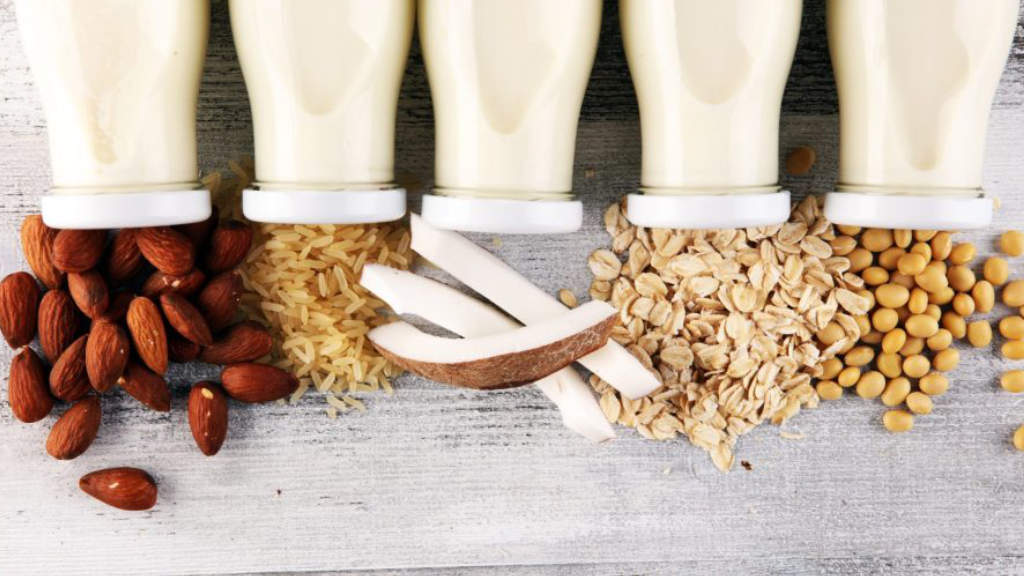
Plant-based beverages are a category of drink made from plant sources and are often used as substitutes for cow’s milk—on cereal, as a drink, or in coffee. Examples include drinks made from soy, almond, pea, oat, cashew, rice, and coconut.
Supplies reached a previous historical maximum in 2024, totalling 5,300 tonnes worth US$5.3 million. Agroexport said that “Russian producers have every chance to surpass last year’s record in 2025. Everything necessary for further development is available: a rich raw material base and modern food technologies.”
In 2025, the main buyers of Russian plant-based beverages were Kazakhstan, where more than US$2 million worth were shipped; Belarus at almost US$1.8 million; Kyrgyzstan at US$240,000; Uzbekistan at US$180,000; and Azerbaijan at almost US$170,000.
The highest export growth rates in value terms for the comparable periods of 2025 and 2024 were recorded in Turkmenistan (3.9-fold), Azerbaijan (2.7-fold), Moldova (2.7-fold), and Georgia (2.1-fold).
Russia became a net exporter of plant-based beverages in 2023, when exports exceeded 5,300 tonnes and imports fell to 1,700 tonnes. Previously, from 2017, Russian imports of these products increased annually, reaching 19,000 tonnes worth US$18.3 million in 2021. Now, the market has shifted with Russian production replacing imports, mainly from the EU.
Asia dominates the plant-based beverages consumer market with a share of 66.73% of total global consumption. This is attributable to the vegan population in the region and especially the millennials’ inclination toward plant-based, natural, and healthy foods and beverages.
Alla Andreyeva, a director of the Soyuznapitki industry association, advised that “companies must be prepared for a high level of competition in foreign markets. For example, Asian buyers are already well acquainted with this category of beverages and have their own special requirements for it. However, if exporters have a clear promotion strategy, a set of competitive advantages, fast logistics routes, proven sales channels, and effective marketing promotion tools, they can expect that in the long term this will allow for a gradual increase in supplies to overseas markets.”
Further Reading
Russia Targets Dairy Export Increases To Africa, the Middle East & Asia