
 Русский







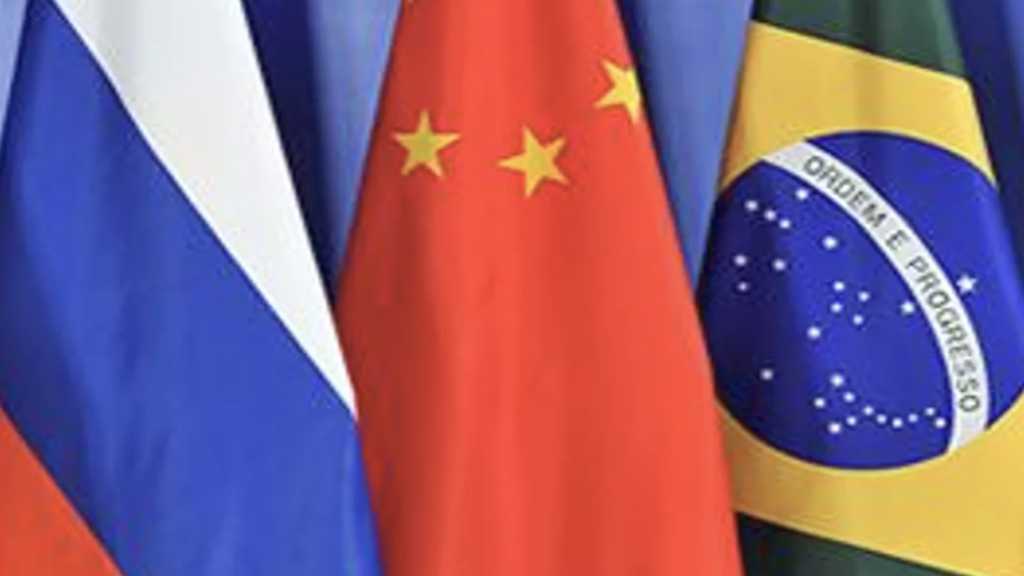

Brazil and China have outlined the formation of a Trans-Pacific corridor, and Russia is joining it. The Ministry of Railway Transport of Brazil, the Ministry of Transport of China, and the China State Railway Group signed an agreement in Brasilia on the further development of the Brazil-Peru-Pacific Ocean-China railway-sea corridor in 2025-2028, providing for the regular operation of this transcontinental route within the framework of the international partnership of BRICS countries.
Transcontinental corridor routes are already being put into operation in the vast BRICS region, which means that the transport framework for the economic integration of the BRICS group is being created.
The agreements provide for the development of a complex Brazil-Peru-China corridor. This includes a 500 km railway from the Brazilian-Peruvian border area to Chancay Port near the Peruvian capital. This project is being partially financed on preferential terms by China, with the railway coming into operation in 2028.
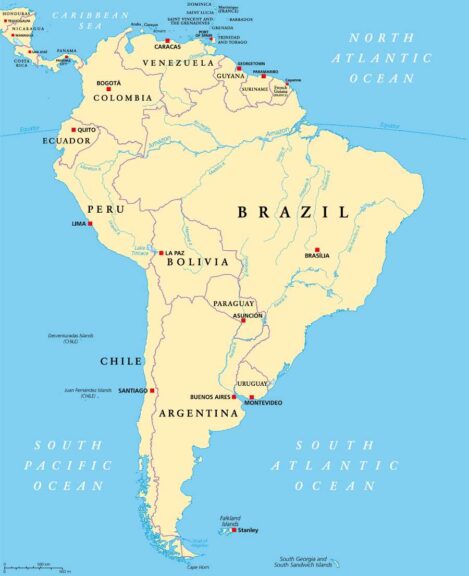
Leonardo Ribeiro, the Brazilian Minister of Railway Transport, has stated that “This is a great dream of Brazil—a railway connecting the Pacific Ocean with our country will reduce the delivery time of Brazilian products to Asia and return deliveries to Brazil by about 10 days.”
The redeveloped Chancay Port will also allow for the servicing of large-capacity vessels and reduce the time for cargo delivery between China and the Pacific coast of South America to 20 days. This is relevant in view of the fast-growing trade turnover of China and East Asian countries with Brazil. Brazilian exports to China now exceed US$130 billion dollars annually.
The corridor is also linked with Brazil’s Atlantic ports in the northeast of Brazil and also becomes a feeder for the general BRICS transit area of Atlantic-Brazil-Pacific-Asia-Pacific.
This is where Russia adds additional BRICS value. With access to both the Pacific (Vladivostok) and Atlantic (St. Petersburg), the China-Brazil corridor is directly related to new Russia-Brazil sea routes. Russia’s FESCO launched a regular Russian-Brazilian sea line from H2 2025, with German Maslov, the Group’s Vice President for the Liner and Logistics Division, clarifying that this is a trans-Atlantic route for a wide range of cargo to eastern Brazilian (Atlantic) ports from Russia’s European ports.
Similar routes can also be linked from Vladivostok to Chancay or from Russia-China-Peru-Brazil.
Bilateral trade between Russia and Brazil reached US$11 billion in 2025, with Russia becoming Brazil’s eighth-largest trading partner. It is expected that 2026 trade turnover will exceed US$14 billion with a balanced growth of mutual exports and imports.
The re-export of goods is also carried out between Russia and Brazil—as it is between Russia and China—to bypass Western sanctions and implement Russian counter-sanctions. These supply chains are increasingly carried out with the re-export and transit participation of Kazakhstan—a BRICS partner country from 2025—and are West-East-West re-export shipments that depend on the routes of the final deliveries.
Brazil, meanwhile, has also been showing interest in using the Northern Sea Route for enhancing its exports to Russia.
The significance of transcontinental corridors, including the Russia, China, Peru, and Brazil corridor, will allow for the linking of existing cargo routes—direct and transit—between the South American and Eurasian areas of BRICS.