
 Русский




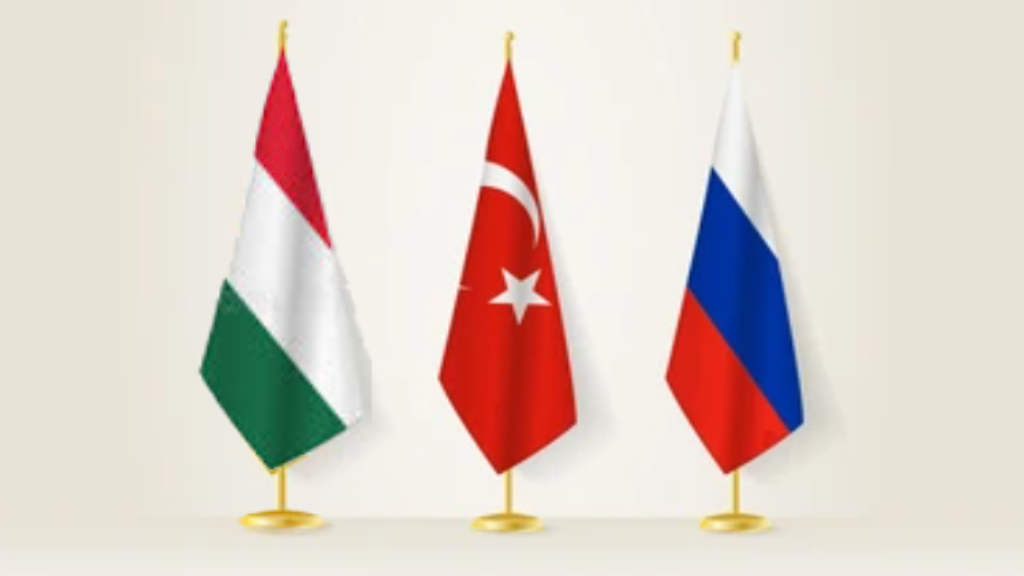

Both Russia and Turkiye have been working to ensure that landlocked Hungary retains its energy supply sovereignty and does not have to cede to European Commission demands. In the first instance, Hungarian Prime Minister Viktor Orban has said that Turkish President Recep Tayyip Erdogan has agreed to guarantee the continued flow of Russian gas through Turkiye to Hungary via the TurkStream gas pipeline.
Orban stated that “I have agreed with the President of Turkiye that they will guarantee the route so that we can transport gas from Russia to Hungary.” He said that Hungary has received 7.5 billion cubic meters of gas through the TurkStream pipeline in 2025.
On November 28, following talks between Orban and Russian President Vladimir Putin, Hungarian Foreign Minister Peter Szijjarto said that Russia would supply the agreed amounts of gas and oil to Hungary on schedule. He stated, “We achieved that Hungary’s energy security is guaranteed. President Putin confirmed that Russia will deliver the contracted volumes of gas and oil, on time, via both the Druzhba oil pipeline and the TurkStream gas pipeline.”
Hungary has been highly critical of the European Union’s energy policy, saying that ceasing Russian gas flows to the bloc and replacing them with imported American LNG was more than three times more expensive.
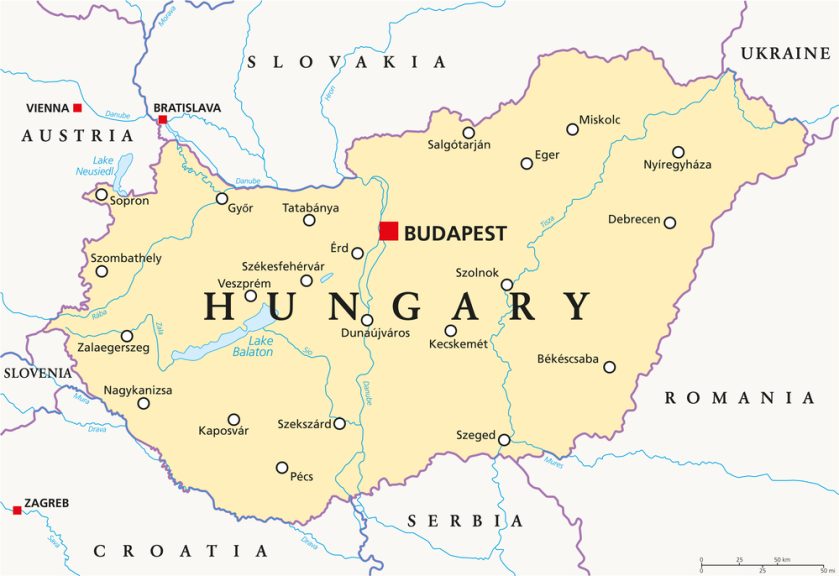
Meanwhile, Hungary is also diversifying its energy needs by commissioning the Paks II Nuclear Power Plant at Paks in southern Hungary. Russia’s Rosatom is building the plant, with Alexei Likhachev, Rosatom CEO, saying that construction work is scheduled to begin in Q1 2026.
The Hungarian Atomic Energy Authority issued the required permits to begin main construction of the Paks II NPP last month. Rosatom said these permits allow the pouring of the first concrete for Unit 5 of the Paks NPP. A permit has also been issued for the construction of the nuclear island buildings.
The main financing of the project is from a Russian loan of about €10 billion.
In 2009, the Hungarian parliament approved the expansion of the Paks NPP. It remains Hungary’s only working NPP. Built according to an earlier Soviet project, the NPP was constructed in 2014. Its four reactors produce more than 50% of Hungary’s electricity.
In late August 2022, the Hungarian Atomic Energy Authority gave Rosatom permission to build Power Units 5 and 6 of the NPP. In May 2023, the European Commission approved amendments to the agreements on the construction and financing of the facility.
Rosatom head Alexei Likhachev has stated that there is still opposition to the completion of the Paks II NPP in Hungary, with the EU court reversing an earlier decision to allow Russia to finance the construction of two power units of Paks II NPP in September, reversing a previous authorization by the European Commission of financial support to the project by Hungary in 2017.
Likhachev stated that the only legal objections that could be raised now were procedural and would not interfere with the project’s completion. Paks II is scheduled to be operational about 2032.
Further Reading
In Relations With Russia, Hungary Prioritizes Trade Pragmatism Over Geopolitics