
 Русский







The Russian Prime Minister Mikhail Mishustin and Uzbek Prime Minister Abdulla Aripov will hold the sixth meeting of the Russia-Uzbekistan Joint Commission at the level of heads of government in Moscow on Monday, April 13.
A Russian government statement says, “The meeting will focus on pressing matters concerning the Russian-Uzbekistani trade, economic, scientific, technological, cultural, and humanitarian cooperation. Special attention will be given to the implementation of joint projects in manufacturing; energy, including peaceful uses of nuclear power; transport infrastructure; agriculture; education; and other areas of mutual interest.
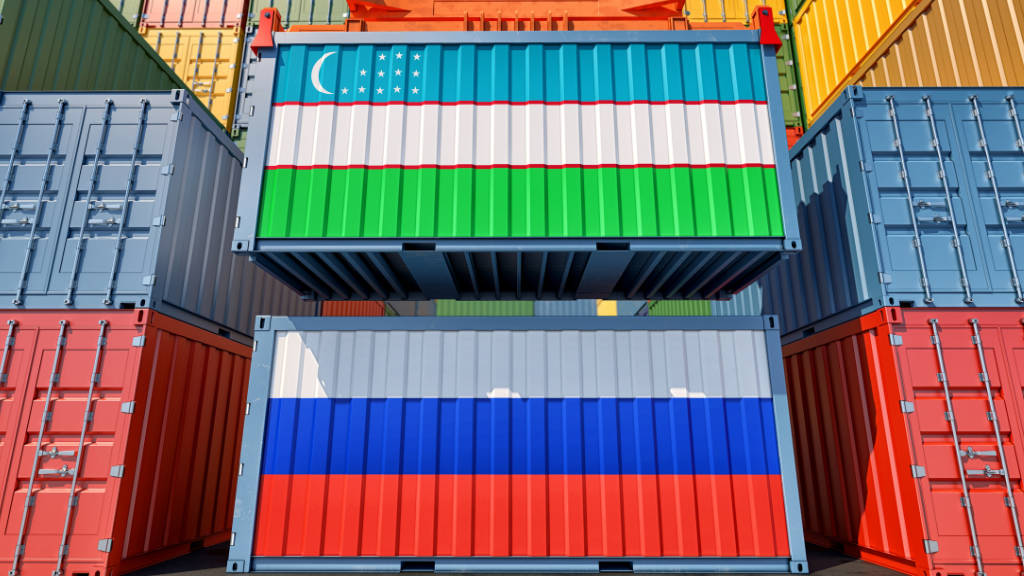
Uzbekistan is Russia’s strategic partner and ally in the Central Asian region. The bilateral relationship of comprehensive strategic partnership and alliance is based on equal rights, mutual respect, and regard for each other’s interests and is traditionally of a friendly nature. More than 3,000 Russian-invested businesses operate in Uzbekistan, and over 700 Uzbeki businesses have invested in Russia.
Uzbekistan is implementing 150 investment projects, with Russian participation totaling ₽4 trillion (US$52 billion). An international industrial exhibition held in Tashkent each year, titled “Innoprom. Central Asia,” is a major event. The next event is due to be held at from April 20-22, 2026.
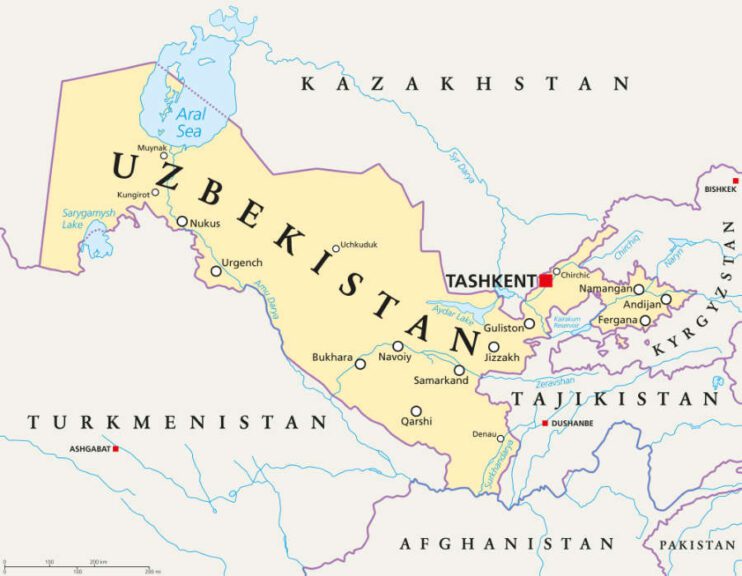
Energy is the key area of bilateral cooperation. The Russian state corporation Rosatom is involved in a recently launched large-scale project to build a nuclear power plant in Uzbekistan’s Jizzax region. The plant will integrate power units of a large capacity (1,000 megawatts each) and small capacity (55 megawatts each). 2025 bilateral trade between Uzbekistan and Russia reached US$8.3 billion in the 8-month period January-August, reflecting a 6.4% uptick relative to the US$7.8 billion recorded in the same timeframe during 2024. Russia is Uzbekistan’s second-largest trade partner after China. The goal is to reach US$30 billion in trade turnover by 2030, in alignment with the economic priorities set by both presidents.