 Русский






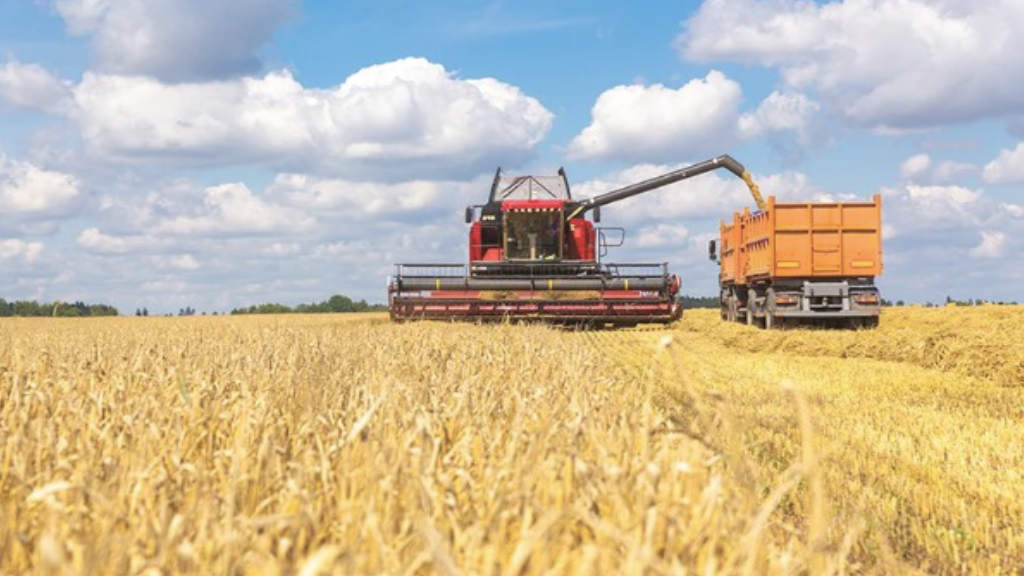

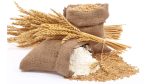
Russia has harvested more than 110 million tonnes of grain during 2026 to date, including 83.5 million tonnes of wheat, according to Agriculture Minister Oksana Lut. She was speaking at a meeting of the operational headquarters for conducting seasonal fieldwork.
Lut said that “all our yield indicators across the country are higher than last year’s; about 70% of the areas under grain and leguminous crops have been threshed, and we have harvested more than 110 million tonnes of grain. This is 10.5 million tonnes more than last year. A total of 83.5 million tonnes of wheat has already been harvested. Our domestic market is already fully provided with the required amount of wheat and grains. Harvesting work is underway in all regions.”
The harvest of oilseed crops is also in its active phase, with 3.3 million tonnes already harvested, Lut said. The harvesting of sugar beet, potatoes, and open-ground vegetables has also begun.
Assessing the situation with the provision of fuel to agricultural producers, Lut said that the situation has been stabilized thanks to the measures promptly adopted by the government. She said, “I emphasize once again that the issue of providing agricultural producers with fuel is under the personal control of Deputy Prime Minister Dmitry Nikolayevich Patrushev. We have corresponding instructions from the Russian president on the priority provision of fuel to the agricultural sector. Here, together with the Energy Ministry, we regulate the situation in real time, on a daily basis, if issues arise,” Lut said.
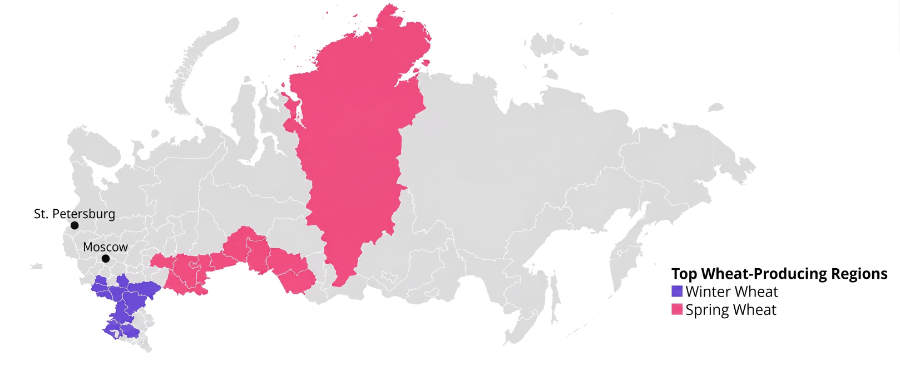
Russia is the world’s largest producer of grain after China and India and the world’s largest exporter of wheat. Most of Russia’s wheat is produced in European Russia, including the North Caucasus and Southern regions (such as Krasnodar, Rostov, and Stavropol), and towards the borders with Kazakhstan, including Siberia and the Urals.
Russia’s move towards agricultural self-sufficiency is in contrast to that deployed by the European Union, which is forecast to consume about 106 million tonnes of wheat in 2026. The EU currently imports about 15% of its total wheat consumption, with the main suppliers being Canada and the United States. Imports will likely increase as European domestic production shortfalls present a risk to European milling operations. Meanwhile, the EU has effectively sanctioned Russian wheat by imposing restrictions on its grain shipping fleet. Ukrainian exports of wheat have also declined by about 14% over last year.
There are pricing differences as well. EU prices for wheat are increasing and currently trading at €256.70 a ton, partially due to the decline in EU production, rising oil costs, and Black Sea disruptions created by problems related to the Ukraine conflict.
Russia wheat is currently priced at less than €100 a ton. Russia’s primary wheat export markets are Egypt, Türkiye, Saudi Arabia, Kenya, and Kazakhstan, while it has also been developing new export markets. Examples are here, here, here and here.
Russia’s pivot to Asia strategy is also a pivot to self-sufficiency – ensuring that the domestic production is in good health prior to engaging in exports of critical consumer products.