 Русский





Russia exported around 5.7 million tonnes of agricultural products to China in H1 2026, up 41% year-on-year, while export revenue increased 44% to more than US$4.9 billion, according to the Russian Agroexport federal center. If maintained over the rest of the year, the total will reach US$9.8 billion. Russian exports of agricultural goods to China amounted to US$7.7 billion in 2025.
The top five types of agricultural products supplied from Russia to China by export revenue include frozen fish, rapeseed oil, crustaceans, soybeans, and flax seeds.
Ilya Ilyushin, Agroexports CEO, said that there remains significant potential for Russia’s exports to increase not only through increasing supplies of grain, meat, and dairy products, but also through expanding the range of products with higher added value, as well as developing cooperation in agrotechnologies.
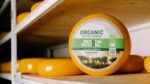
Potential Growth In Organic Produce
Ilyushin added that Russian organic products also have great potential for export to Asian countries, primarily to China, which became the world’s third – largest organic market in 2025. According to estimates, the Chinese organic market will grow at an average annual rate of around 16% in the coming years and could be worth US$100 billion by 2034.
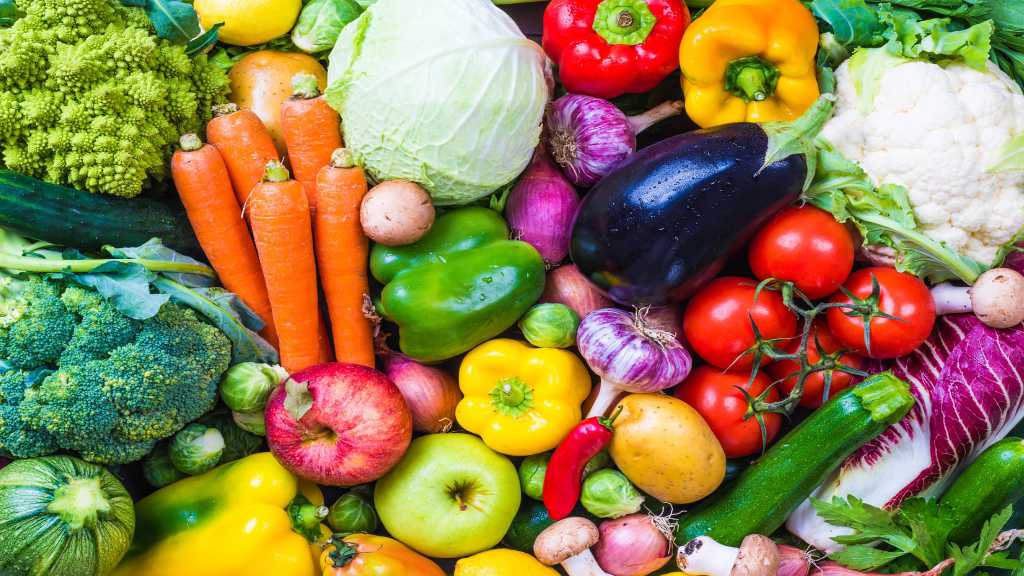
Chinese organic food consumption is driven by serious past food safety scares and rising health awareness. Middle and upper – class consumers in major cities drive most sales, spending heavily on organic vegetables and dairy products. It relies on a complex set of drivers and consumer behavior. Over 60% of buyers choose organic for better perceived nutrition and the absence of pesticide residues. Many use higher prices as a sign of safety to overcome trust barriers in the food system.
Fresh vegetables make up the largest market share (over 70%). Infant formula, UHT milk, and infant cereals are also highly popular. To be certified as organic in China, a product must contain at least 95% organic ingredients. The industry is tightly managed by state regulations.
The requirements for labeling products as “organic” in Russia are very strict – farmers are prohibited from using agrochemicals, pesticides, and genetic engineering methods, as well as hormonal drugs and antibiotics. At the same time, the use of certain agents and preparations is permitted – but only within the lists approved by national and international standards for organic production.
The Russian Ministry of Agriculture coordinates activities in this area, while certification of organic products is carried out by accredited bodies – including Roskachestvo (the Russian Quality System), which actively contributes to the development of the sector. It oversees the work of technical committees on standardization, supports the harmonization of standards, and implements support programmes for small and medium-sized businesses.