
 Русский






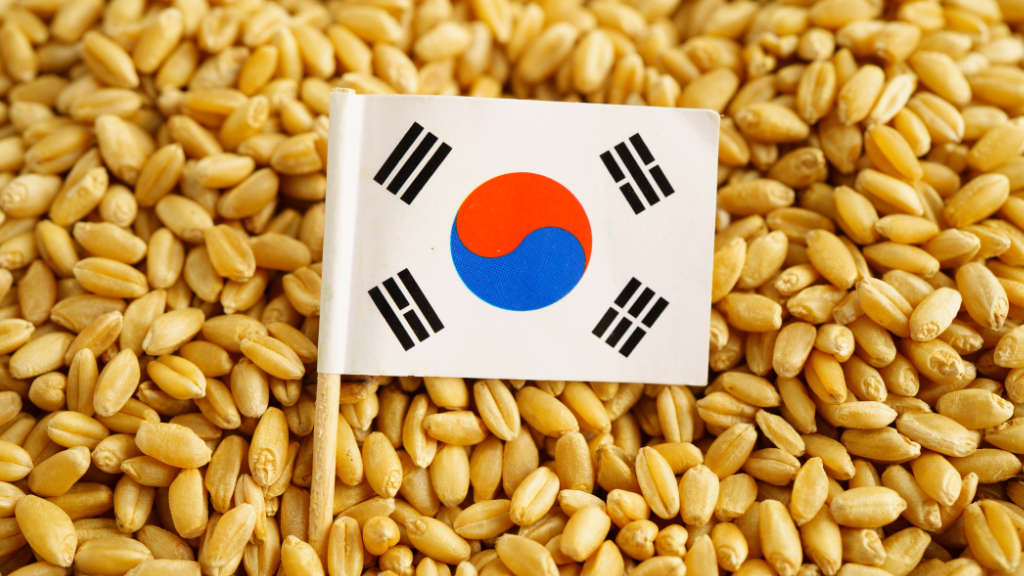

South Korea tripled its wheat imports from Russia to 202,700 tonnes in 2025, compared with 67,750 tonnes in 2024, the Korea Customs Service has reported.
Imports of Russian corn increased to 323,700 tonnes, compared with 227,650 tonnes in 2024; however, Russian barley imports fell by almost 80% to 3,730 tonnes from 15,170 tonnes in 2024.
During 2025 overall, however, South Korea purchased 531,160 tonnes of grain products from Russia, versus 311,340 tonnes in 2024, an increase of 70.74%.
Russian agricultural watchdog Rosselkhoznadzor stated that “there are no restrictions on exporting grain products from Russia to South Korea.” In the reverse trade, Russia imported 80 tonnes of South Korean rice in 2025, up from 50.1 tonnes in 2024.
Grain consumption in South Korea is defined by a long-term decline in per capita rice intake, hitting record lows (around 56 kg annually in 2023-24), driven by changing diets, dining out, and home meal kits, though processed rice products see growth; while rice falls, wheat use for instant noodles (ramyeon) and bakery goods remains strong, with significant imports, and corn usage is high for animal feed.
The overall trend shows diversification from rice, with other grains like barley and soybeans also consumed, and government efforts to boost domestic production of wheat and other staples continue amidst shifting eating habits. However, South Korea’s wheat production is very low, with a self-sufficiency rate under 1%, heavily relying on imports, but the government is actively boosting domestic output through new complexes, insurance, and incentives to use wheat in double-cropping with rice for greater food security. Meanwhile, the country imports much of its wheat – hence the improved Russian export levels.
Further Reading
Russia, South Korea Bilateral Relations: September 2025 Update