
 Русский







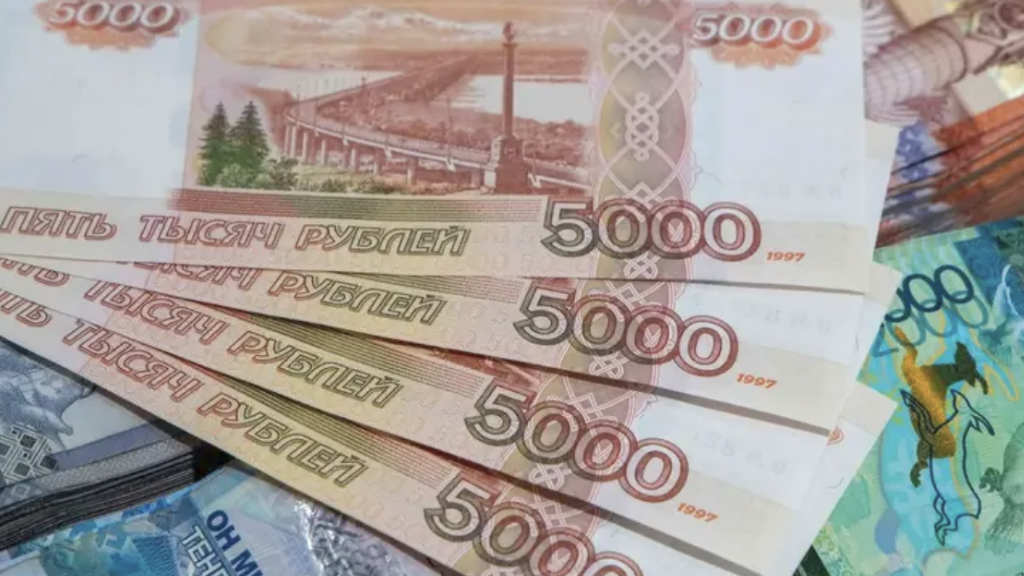

The SME services sector in Russia is feeling an economic pinch, as the multiple effects of sanctions, inflation, and high interest rates combine to make certain sectors of the Russian consumer economy distressed. At present, this is being felt by the restaurant trade, with hundreds of small cafes forced to close. It is an early sign of potential economic trouble ahead, as eating out tends to be replaced by the less expensive eating at home when consumer belts need tightening.
However, it should also be noted that operations that have closed have probably not had the best business models, and an economic clear-out of inefficient operations may, in the longer term, be a good thing. In practical terms, such businesses have suffered due to the following:
Inflation
This issue has been the Central Bank’s biggest problem, with inflation reaching as high as 13% one year ago. Now it has been reduced to 6% with a 2026 target of being reduced to 4%; however, in battling rising prices, the bank has had to make the cost of borrowing more expensive. Businesses operating without capital reserves or with low profit margins (or both) will have found this combination very difficult.
To compare, the current average inflation rate in the European Union is 2.7%, and in the United States it is 2.4%.
Interest Rates
To battle inflationary pressures, in October 2024, the Central Bank raised interest rates in Russia to an unprecedented 21%. Since June 2025, the Central Bank has gradually reduced the rate, and since February 13, it has been 15.5%. Ironically, now is the best time to be placing capital into Russian banks. However, there are pros and cons in doing this. On the positive side, it encourages capital to remain in Russia and helps attract overseas-based businesses to return to the Russian Federation. On the other hand, it makes borrowing money very expensive, and this has hit both inefficient smaller businesses and Russian exporters, who are used to borrowing capital to fund shipments prior to being paid upon satisfactory delivery and trade credit terms—which can be up to 6 months. This can be a significant burden, even for larger MNCs, and is the primary reason why Russian trade slowed down last year.
To compare, the current average interest rate in the European Union is 2%, and in the United States it is 3.5%. (Such low borrowing costs are one of the reasons why the EU is looking to borrow money to fund Ukraine, although this could well come back to bite them if European interest rates increase).
Tax
Russia also raised its VAT rate by 2% from 1st January to 22%, which helps maintain cash flow within its economy but has another negative impact on smaller businesses that are unable to pass the VAT burden on. It should be noted that the SME sector represents about 20% of the total Russian economy.
To compare, the average VAT rate in the European Union is also 22%, while the United States equivalent, which is made up of different taxes at the federal and state levels, is about 9%.
Impact
The economic impact of this initially affects SME consumers and service industry sectors and, in the general scheme of things, is considered a good thing, as it cleans out weaker businesses from the domestic economy. This is where Russia currently stands. However, if the situation continues, it can spill over into the manufacturing sector, which is far less desirable and leads to economic contraction, bankruptcies, and unemployment. It also stresses the government more as social payments increase just at a time when taxable revenues decline. The Russian economy is not at this point—yet—however, it is a fine balancing act to allow some SME service sector pain but prevent it from spreading into the wider economic sector.
Solutions
Governments need to step in to prevent a wider spread of business failures while at the same time allowing weaker companies to go to the wall. Again, this is an economic balancing act and requires careful planning. However, Russia is doing exactly this and is enhancing financial support for its SMEs in 2026 by doubling its preferential (low interest) lending to ₽200 billion (US$2.6 billion), focusing on working capital and investment. Key programs include low-interest microloans (up to ₽5 million (US$65,250) per subsidiary), state-backed guarantees, and up to ₽350,000 (US$4,600) for new entrepreneurs via social contracts, heavily supported by the SME. RF Digital platform. This programme was developed by the SME Corporation in cooperation with the Ministry of Economic Development of Russia as part of the national project “Small and Medium-sized Enterprises.” The goal is to provide access to all necessary business services in one place, including several areas of financial support. It includes the following key areas of financial support:
Preferential Lending: The 1764 Program, managed by the Ministry of Economic Development and SME Corporation, offers rates below market levels, with a focus on priority sectors.
Microfinance and Guarantees: Regional Guarantee Organizations and the SME Corporation provide microloans (0.1% to 1/2 of the key rate) and “umbrella” guarantees to secure loans for businesses lacking collateral.
Capital Market Support: A program running until 2030 offers subsidies for SMEs entering the stock market, covering expenses up to ₽15 million for share offerings and ₽3 million for bonds. This takes the onus of financial support for successful companies away from the government and puts it onto the private sector. Russia lags behind the West in the percentage of listed companies it has in its GDP economy, being about 23% of the total as opposed to about 55% in the West.
“My Business” Centers: These centers provide local access to financial products, consulting, and support for mandatory product labeling.
Start-up Funding: Social contracts (social contract conditions) offer up to ₽350,000 for novice entrepreneurs.
These initiatives aim to support SME growth through affordable, accessible, and digitalized, state-backed mechanisms.
Summary
Many Western-based analysts have noted that certain Russian businesses are closing yet have insufficient economic experience to understand the dividing line between an economic shakeout and serious economic problems, leading to claims of ‘economic collapse’ based on a handful of restaurant closures, which is clearly absurd. Yet the early warning signs are there. To be fair to Russia, it is doing exactly what it should in providing some economic relief. It remains to be seen whether the Central Bank will need to roll out more assistance or not—however, it is important to note that the Russian government is well aware of the potential problems and is acting. That is fiscal prudence – at a time when other attempts to borrow €90 billion to finance foreign policy certainly are not.