
 Русский








Part Two of a Seven-Part Series in which we document the rise of the new outbound Russian entrepreneurial investor.
From 2022 onward, Russia’s entrepreneurs and companies have been reshaping their foreign economic engagements in response to geopolitical realignments. As Western sanctions constrained access to traditional Western markets, Russia’s business community began to seek deeper footholds in nearby regions where cultural familiarity, shared languages, and historical ties offer tangible advantages.
While the Middle East, China, and India remain critical strategic partners, it is the Central Asian countries that have emerged as the most dynamic arena for newly registered Russian businesses, creating regional economic linkages that extend Moscow’s commercial footprint and diversify the country’s global economic strategy.
Between 2023 and 2025, a quiet but structurally significant business revolution has unfolded in Central Asia. In response to global geopolitical shifts, sanctions pressures, and shifting trade alliances, Russian companies and entrepreneurs have deepened their economic integration with the five Central Asian republics, such as Kazakhstan, Uzbekistan, Kyrgyzstan, Tajikistan, and Turkmenistan. Far from a short-term reaction to external constraints, this movement reflects a long-term reorientation of Russia’s private sector toward proximate markets with shared historical ties, linguistic affinity, and growing economic reform momentum.
New Russian-Invested Businesses in Central Asia 2023-2025
About 24,000 Russian-capitalized companies, including SMEs, have been established in Central Asia, according to a 2024 News Central Asia report quoting Deputy PM Manturov. An alternative estimate, cited by President Putin in October 2025, suggests over 25,000 such firms.
These figures cover all Russian-owned or capital-involved companies, both state-linked and private, reflecting their full operational presence across the region. However, since 2022, a trend of newly established Russian companies and entrepreneurial ventures has occurred, indicating a post-2022 rise in Russian business activity. Russian entrepreneurs are forging ahead with unprecedented activity in Central Asia, registering thousands of new businesses across Kazakhstan, Uzbekistan, Kyrgyzstan, Tajikistan, and Turkmenistan from 2023 to 2025.
This surge, fueled by mutual, long-standing fraternal ties and a shared Eurasian destiny, has seen over 5,000 fresh company formations annually, transforming the region into Russia’s most dynamic economic frontier amid global realignments. This has occurred as business opportunities in Europe declined. Instead of West, Russian business and investment capital has now moved East. Significant listed companies in the EU have relocated their entire operations to Almaty.
The table below presents the best available regional estimates for Russian corporate investments in the five Central Asian states from 2023 through 2025.
Estimated Russian-Capital Enterprise Presence by Country
| Country | 2023 | 2024 | 2025 | Trend |
| Kazakhstan | 19,000 (an average of 2,300 new companies registering each quarter between April 2022 and March 2023) | 19,700 | 18,400 | Large presence. |
| Uzbekistan | 3156 (745 new in 2023) | 3100+ | 3,100+ | Steady growth |
| Kyrgyzstan | 900-1,000 (significant new companies in 2023) | 1,200 | 1800, (a 70% increase) | High growth |
| Tajikistan | 330-400 (up roughly 10 % compared to 2021) | 400 | 500 (More than 170 Russian companies expressed interest in localizing production in Tajikistan in 2025) | Slow but positive growth |
| Turkmenistan | Over 200 | 200+ | 200+ (38 registered business entities with Russian capital as part of broader economic ties | Steady, modest presence |
Sources: National statistics agencies, regional media reporting, and extrapolated estimates from business registries. Notes: precise counts vary by source and are partly estimated due to differences in reporting standards.
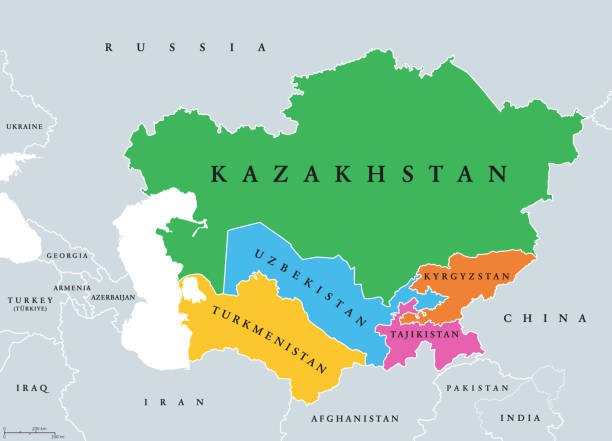
From Sanctions Shock to Strategic Expansion
In the immediate aftermath of Western sanctions in 2022, Russian companies confronted severe disruptions in trade, finance, and payment systems. Many SMEs and mid-sized enterprises that had depended on European and North American markets were suddenly searching for alternative pathways. Central Asia provided a pragmatic pivot: it is geographically proximate, culturally familiar, shares linguistic ties through the continued use of Russian in business and government, financially operational (rubles and local currencies have long been mutually acceptable and are unaffected by sanctions) and crucially is economically dynamic with expansionary reform agendas in several capitals.
Central Asia’s rich natural resources, young population, and growing entrepreneurial potential offer opportunities for long-term economic growth and strategic partnerships. Russian investors, looking to put their capital to good use, are now doing so in key sectors such as energy, agriculture, IT, and infrastructure.
Central Asian governments are supporting this at their own local entrepreneurial level through funding, training, and incubators; harmonizing legal and regulatory frameworks to protect investments; promoting cultural and educational programs to develop skills and foster collaboration; and improving regional infrastructure and digital connectivity. By combining economic engagement with strategic support, Russia is securing influence, diversifying markets, and fostering stable, mutually beneficial relationships across Central Asia.
Russia’s combined trade volume with Central Asia reached US$45 billion in 2024, while President Putin stated in October last year that it had grown a further 4%, implying a 2025 year-end increase to US$46.8 billion.
That 4% trade expansion has been achieved despite Russia’s own economic growth being slow at an estimated 1.5% for 2025, while Central Asia’s GDP growth during the year reached 6% illustrating the benefits of investing in developing economies. Growth in the European Union, meanwhile, slumped to an average of 1.6%.
Kazakhstan
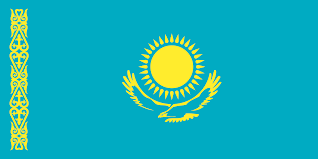
Kazakhstan has long been the economic anchor of Central Asia, a natural partner for Russia, and a gateway to regional markets. Russian businesses have seized this opportunity: by the end of 2023, 19,000 Russian-invested companies were registered in Kazakhstan, representing a dramatic surge fueled by the influx of new companies and the country’s open, business-friendly environment.
However, recent statistics reveal that this growth momentum is now at a crossroads, with the number of Russian legal entities operating in Kazakhstan declining slightly to 18,400, a drop of 495 since the beginning of 2025. The trade and information technology sectors saw the most notable exits: trade companies fell by 238 to 7,500, while ICT firms dropped by 70 to 2,500. The slowdown was due to several factors: Western sanctions have disrupted supply chains and constrained capital flows, while domestic Russian policies have at times limited outward expansion.
Despite this slowdown, the opportunity in Kazakhstan remains unparalleled. With a population approaching 21 million and the most developed economy in Central Asia, Kazakhstan continues to attract foreign investment.
Although there were corporate exits, Russia strengthened its position as the top investor in Kazakhstan, with foreign direct investment (FDI) inflows increasing by over 30% to roughly US$4 billion, accounting for over 20% of Kazakhstan’s total inflows. Total FDI into Kazakhstan hit a record high, with Russia leading in project volume, particularly in mining, manufacturing, and energy.
Kazakhstan’s proactive business reforms, simplified licensing, streamlined registration, and regulatory improvements have elevated its global Ease of Doing Business ranking to 25th, ahead of Russia, China, and major advanced economies.
Kazakhstan’s unique geographic position, regulatory reforms, and diversified economy offer a platform to overcome Western challenges. To maintain and grow influence, Russian policymakers and businesses must focus on high-potential sectors. Mining and industrial manufacturing remain core areas, supported by Kazakhstan’s rich natural resources and existing investment pipelines and infrastructural connectivity projects.
Equally critical are information technology and digital services, where 2,500 Russian firms already operate, signaling a growing demand for software, communications, and technological integration. Trade remains a stable backbone, though competition is rising, necessitating innovative retail, logistics, and distribution strategies. Tools for success include joint ventures with local partners, targeted acquisitions of exiting or consolidating firms, and leveraging Kazakhstan’s incentives for foreign investors.
Strategic planning should emphasize long-term market capture rather than short-term gains, ensuring Russian firms remain key players in sectors that underpin the nation’s economic growth. Kazakhstan is not merely a market; it is a strategic asset—and particularly in terms of being a conduit to China trade.
The data is clear: the market is large, dynamic, and increasingly receptive, but time-sensitive. Consolidating presence, expanding sectoral focus, and deploying strategic investment tools are essential to ensure that Russia remains at the forefront of Central Asia’s most promising economy. Underlining this, the two countries’ presidents signed a Comprehensive Strategic Partnership in November last year, while bilateral trade reached just under US$27 billion. Both presidents want that to breach the US$30 billion mark in 2026, with longer-term goals of increasing this to US$50 billion.
Uzbekistan

Russia’s economic presence in Central Asia has long been anchored in Kazakhstan, but Uzbekistan and Kyrgyzstan are emerging as high-growth markets that Russian businesses cannot afford to ignore. Maintaining momentum in these countries is critical for sustaining Russia’s regional economic leadership, underscoring the appeal of its open regulatory environment for its entrepreneurial investment capital.
Uzbekistan’s economy, with a population of over 37 million, has shown remarkable resilience and growth, achieving approximately 6-7% GDP growth in 2025, driven by trade, industry, construction, and digital services. The country attracted foreign direct investment totaling US$43.1 billion in 2025, with Russian companies contributing nearly US$5 billion.
Russia’s corporate presence in Uzbekistan now exceeds 3,100 legal entities, including 745 new firms in 2023, making Russia one of the largest foreign investors. Key sectors with the highest growth potential include trade and retail, industrial manufacturing, IT and digital communications, and construction/infrastructure projects. Over 1,200 firms operate in IT, while 1,250 companies are active in construction and industrial parks. High-tech collaboration is expanding in nuclear medicine, small modular reactors, and drone-assisted agriculture, offering opportunities for technology transfer and long-term strategic influence.
Challenges exist, including competition from Chinese investors and evolving regulatory reforms. Russian companies can navigate these by forming joint ventures, leveraging local financing mechanisms, and engaging in technology transfer, which strengthens competitiveness, mitigates currency and sanction risks, and aligns with Uzbekistan’s pro-investment policies.
In 2025, Uzbekistan’s bilateral trade with Russia increased by 8.5% to US$12.986 billion.
Kyrgyzstan
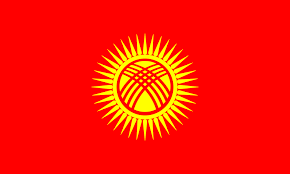
In Kyrgyzstan, Russia’s corporate presence has surged from roughly 900-1,000 companies to 1,800, a 80% increase, reflecting strong growth momentum in a smaller market. In total, Russian businesses have invested over US$1 billion, while in 2024, another US$279.3 million of Russian outbound investment flowed into the country. Investments were distributed among the following key sectors of the economy:
- Manufacturing—US$117.5 million;
- Wholesale and retail—US$127.2 million;
- Finance and insurance—US$23 million;
- Miscellaneous—US$11.5 million.
The Kyrgyz economy expanded by around 11.1% in 2025, led by trade, construction, and industrial sectors, signaling rising demand for Russian investment in infrastructure, trade networks, and services. High-potential sectors include manufacturing, industrial parks, energy and heavy technology, digital/ICT solutions, and agribusiness/logistics.
This will be enhanced when the China-Kyrgyzstan-Uzbekistan (CKU) railway is completed in 2030, as it will connect with the existing railway system with Russia. That opens up added value possibilities in terms of China-Kyrgyz-Russia manufacturing as well as the obvious repackaging, warehousing, and logistics sectors.
Russian businesses should adopt a sector-focused strategy, deepen partnerships with local stakeholders, and integrate technology and expertise to capture growth. Uzbekistan and Kyrgyzstan offer robust economic growth, favorable demographics, and pro-investment reforms, making them essential for Russia’s long-term regional influence. Russia-Kyrgyz bilateral trade reached US$3.84 billion in 2025.
Tajikistan
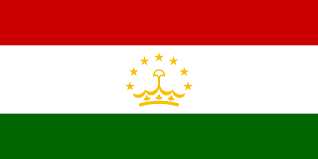
Tajikistan remains an underutilized market with significant growth potential. About 400 Russian-invested companies, reflecting a 10% increase since 2021, are now operating in Tajikistan, with another 100 businesses expected to enter into or expand their operations in the country in 2026.
Russian businesses have invested about US$600 million into Tajikistan in total, with US$40 million of that (6.667%) being placed just last year.
The country’s economy is gradually modernizing, with GDP growth around 8.4% in 2025, driven by energy, construction, and industrial sectors. More than 170 yet-to-enter Russian companies have expressed interest in localizing production, signaling opportunities in light manufacturing, construction materials, energy infrastructure, and industrial machinery. Tajikistan’s focus on modernizing its power grids, transportation networks, and industrial base further enhances the attractiveness of Russian investment.
Tajikistan is attracting Russian investments in the energy, construction, and industrial sectors, while the economy is poised for expansion, offering opportunities for Russian firms to establish early market leadership positions.
Russia’s bilateral trade with Tajikistan increased 17% in 2025 to reach an estimated US$2.16 billion.
Turkmenistan
Turkmenistan maintains a smaller Russian footprint of about 200 registered entities, including 38 wholly Russian capitalized companies. Yet despite this modest scale, Turkmenistan’s economy continues to grow, with GDP growth estimated at 6.3% in 2025, supported by oil, gas, and infrastructure projects and its increasing importance as part of the INSTC trade corridor and onward capacity to Iran. Enlargement of the main Turkmenbashi Port on the Caspian Sea supports this. Trade between Russia’s Astrakhan region and Turkmenistan grew by 15% last year.
Russian capital is targeting energy production, industrial equipment, construction, and logistics, aligning with Turkmenistan’s priorities to expand energy exports and modernize its industrial capacity.
Challenges in both markets include complex regulatory frameworks, limited transparency, and slower institutional reforms—Turkmenistan is not a member of the EAEU, although Moscow does see that Ashgabat is expressing interest in closer integration or preferential trade deals, which would reduce barriers and create new opportunities.
Russian companies can navigate these challenges through joint ventures, phased investments, technology transfer, and alignment with national development priorities, ensuring both compliance and competitive advantage.
By focusing on energy, construction, industrial goods, and localized production, Russian businesses can consolidate presence, gain market share, and support long-term regional influence. These markets, though smaller than others in Central Asia, are underutilized and ripe for strategic growth, offering both economic returns and enhanced geopolitical leverage.
Russia-Turkmenistan 2025 bilateral trade during H1 indicates it may reach about US$2.5 billion for the year, following a significant increase of 58% over 2024.
Sectoral Observation: Russian Capital Presence & High-Potential Sectors
In Central Asia, Russian capital exhibits distinct patterns across countries, reflecting historical ties, resource endowments, and strategic investment priorities. In Kazakhstan, commercial and trade entities dominate numerically, while hydrocarbons and logistics account for the highest-value investments. Here, private Russian firms are primarily active in trade, retail, IT, consulting, technical services, and smaller-scale logistics, supporting the broader energy and infrastructure activities largely led by state-owned enterprises (SOEs).
In Uzbekistan, energy and industrial cooperation drive strategic investment, with private firms focusing on industrial equipment assembly, construction services, logistics, and IT consulting, often operating as contractors or service providers for SOE-led projects.
In Kyrgyzstan and Tajikistan, Russian capital is heavily concentrated in resource extraction and hydropower; private firms in these countries engage in mining support services, small hydropower operations, trade, and logistics, while major energy and extraction projects remain state-driven.
In Turkmenistan, cooperation remains highly energy-focused, particularly in natural gas trade and infrastructure, yet private firms find opportunities supplying machinery, transport, and subcontracted industrial services. Across the region, private Russian firms act as the engine of diversification, driving growth in renewable energy, agro-processing, industrial modernization, IT, and service-oriented sectors, complementing the capital-intensive investments of state enterprises.
Russian Sectoral Investment Into Central Asia
| Country | Main sectors (current presence) | Examples / key activities (current) | High-potential / Under-utilized sectors | Examples / potential activities |
| Kazakhstan | Energy & hydrocarbons, trade & retail, IT & communications, technical services & logistics | Trade firms (7,100 entities) form the largest share; consulting & IT services are major components. Many Russian firms operate in oil & gas field services, freight/logistics corridors, engineering, and technical support services. | Renewable energy (solar/wind), advanced manufacturing, agro-industrial processing, healthcare & biotech, tourism | Utility-scale solar/wind parks; machinery & electronics assembly; grain and meat processing clusters; medical equipment production; eco-resort development. |
| Uzbekistan | Oil & gas, industrial manufacturing, construction & power generation, banking & finance | Significant participation in upstream gas projects and energy infrastructure; Russian firms involved in industrial equipment assembly, power plant construction, and financial/banking services supporting bilateral trade. | Clean energy & grid modernization, fintech & digital services, agro-processing, pharmaceutical production, tourism infrastructure | Wind/solar installations and smart grids; digital payment ecosystems; textile & food processing plants; local drug manufacturing; hotel and heritage site investment. |
| Kyrgyzstan | Mining & minerals, hydropower energy, trade & logistics | Strong presence in gold mining and mineral extraction; cooperation in hydropower plant management; trade intermediaries and re-export logistics companies. | Eco-tourism, solar & small renewables, agro-value chains, IT services, healthcare facilities | Mountain tourism infrastructure; decentralized solar systems; dairy/meat processing; IT outsourcing hubs; regional diagnostic centers. |
| Tajikistan | Hydro power, industrial/raw material processing | Russian capital linked to hydropower development and electricity infrastructure; limited but growing involvement in aluminum, mineral processing, and industrial services. | Solar energy, Agro-processing & storage, digital finance, healthcare & pharma, sustainable tourism | Small-scale solar grids; fruit/vegetable processing & cold storage; mobile banking solutions; pharmaceutical packaging; eco-tourism near mountain regions. |
| Turkmenistan | Natural gas & energy trade, machinery supply, transport infrastructure | Gas trade cooperation and pipeline engagement; supply of Russian industrial machinery and heavy vehicles; infrastructure and transport agreements. | Renewable energy, industrial technology transfer, food processing, healthcare systems, tourism development | Solar power development; industrial automation partnerships; grain/flour processing facilities; hospital modernization; desert and cultural tourism projects. |
Russian SME Focus Sectors In Central Asia
SME investment given the nature of their behavior tends to be concentrated on the service sector, and especially in relatively new areas such as IT, where it impacts both smaller and larger upstream investors into the retail, logistics and related sectors.
| Country | Private firms’ focus | Notes / examples |
| Kazakhstan | Trade, retail, IT/consulting, technical services, small-scale logistics | Private Russian firms dominate commercial and service sectors. Examples include retail chains, IT outsourcing companies, engineering consultancies. While large energy projects may be led by state-owned enterprises (SOEs), smaller oil & gas service companies (private) are active regionally. |
| Uzbekistan | Industrial manufacturing, construction services, medium-scale energy support, IT/consulting | Private firms often take roles in industrial equipment assembly, construction contracting, and logistics for larger SOE-led energy projects. Private banks and fintech startups also have small but growing presence. |
| Kyrgyzstan | Mining services, trade, logistics, small hydropower, and service companies | Private Russian firms are active in smaller-scale mineral processing, freight/logistics, and hydropower project support, whereas large extraction projects often involve SOEs. |
| Tajikistan | Small industrial operations, construction services, hydropower maintenance, trade | Private firms contribute mostly to service and operational support for energy and mining, while infrastructure and large HPP projects are dominated by Russian SOEs. |
| Turkmenistan | Machinery supply, transport & logistics, small industrial contractors | Private firms largely supply industrial equipment, transport vehicles, and project subcontracting. The gas and large infrastructure sector remains primarily SOE-led. |
Sectoral Transformation: Beyond Trade to Value Creation

Early waves of Russian business expansion into Central Asia have been driven by trade, services, and wholesale operations. These sectors were natural entry points because they required relatively modest upfront capital and could quickly capitalize on new logistical opportunities. However, as the presence has matured, sectoral diversification has become increasingly visible.
In Kazakhstan, for example, the corporate profile of Russian-linked firms now includes not only trade and services but also construction, research and development, and logistics technologies. This shift reflects an important transition: Russian companies are no longer merely using Central Asia as a relocation destination or logistical outpost; they are embedding themselves into local value chains and demand structures.
Agriculture and agribusiness represent another frontier with significant potential. Central Asia’s vast arable lands and agricultural output, especially in Kazakhstan and Uzbekistan, have created opportunities for mechanization, processing, and logistics services where Russian firms have technical expertise. These areas are especially synergistic with the strengths of Russian manufacturing in machinery and industrial equipment.
Russian agro-processing and logistics providers can capture premium value by modernizing Central Asian agricultural value chains while strengthening food security across the region. Digital economy sectors also present new avenues. The rapid rise of e-commerce ecosystems in Kazakhstan and Uzbekistan, including the growth of
Russian platforms like Wildberries, demonstrates how technology can create both market access and export opportunities for regional producers. Wildberries tripled its sales in Central Asia to approximately $614 million, and local sellers have utilized the platform to connect with broader consumer markets, illustrating a model for how digital integration can yield mutually beneficial results.
Central Asia’s Investment Climate and Russian Policy Levers

The attractiveness of Central Asia as a business destination for Russian entrepreneurs is not accidental. Over the past decade, several governments in the region have pursued market-friendly reforms, improving ease-of-doing-business metrics, streamlining company registrations, and liberalizing sectors previously closed to foreign participation. In Uzbekistan, for instance, a program of economic liberalization has included the reduction of restrictive lists in key sectors and the adoption of incentives for foreign investment in high-value industries. These policies helped push the total number of foreign-invested enterprises from 14,053 to 14,871 between early 2024 and early 2025, even as the mix of source countries diversified. Russia remained a major participant, though China’s rapid growth in enterprise count has begun to overtake it in Uzbekistan’s register.
Kazakhstan and Kyrgyzstan, bolstered by their membership in the Eurasian Economic Union (EAEU) along with Russia, provide tariff-free trade and regulatory harmonization that significantly lower barriers to market entry for Russian companies.
The EAEU’s structural advantages, such as common customs regimes and mutual recognition of standards, make it far more efficient for Russian firms to operate across borders than in non-EAEU jurisdictions. The role of diplomacy and intergovernmental cooperation is also vital.
Frequent high-level visits between Moscow and capitals such as Nur-Sultan (Astana) and Tashkent have helped embed economic dialogues into broader strategic frameworks. These dialogues have addressed infrastructure cooperation, investment guarantees, and dispute resolution mechanisms, giving Russian companies greater confidence in long-term commitments. Institutionalizing these partnerships through multilateral forums such as the Shanghai Cooperation Organisation (SCO) further reinforces economic linkages, even as these bodies stop short of formal free trade agreements.
Meanwhile, the larger Commonwealth of Independent States (CIS) bloc although it differs from the EAEU in that member countries – including all of the Central Asian states do not have a unified Free Trade structure but base their relationships on bilateral free trade agreements – also has a significant impact on these countries as being members, they are able to discuss regional trade development – including infrastructure and mutual investment at the various summits held every year. This year, Turkmenistan is the Chair and will be using its position to better integrate the INSTC network with fellow members. It should be noted that based upon current trade trajectories, the CIS will reach a similar GDP to the European Union by 2050.
The China Question
There is no question that Russia’s economic relationship with China is deep and multifaceted. Bilateral trade between Russia and China reached approximately US$228 billion in 2025, deeply rooted in energy exports, infrastructure collaboration, and heavy industries. Moreover, nearly one-third of newly registered foreign-invested companies in Russia by 2024 involved Chinese entrepreneurs, revealing China’s increased participation in the Russian domestic economy as well. The number of small and medium-sized enterprises (SMEs) in Russia has climbed to approximately 6.59 million, highlighting the country’s significant potential in the SME sector.
This robust domestic base also positions Russian SMEs well for expansion into overseas markets, including underdeveloped regions in Central Asia, where their expertise in trade, construction, digital services, and light manufacturing can be highly competitive. However, for Russian SMEs and newly established companies, China still presents some challenges.
There is currently no preferential free trade agreement between China and the EAEU. While both sides have signed agreements on trade and economic cooperation, and Russia and China collaborate through frameworks such as BRICS and the Shanghai Cooperation Organization (SCO), these platforms primarily function as forums for strategic dialogue and large-scale projects, rather than mechanisms for reducing tariffs or harmonizing the complex regulatory requirements faced by small and medium-sized businesses.
China’s market environment remains highly competitive, capital-intensive, and bureaucratically demanding for foreign small and mid-sized enterprises without existing networks or long histories in the country. Many export-oriented Russian companies find it difficult to navigate local licensing, intellectual property rules, and compliance environments without substantial presence on the ground, including local management and joint ventures with domestic partners. Central Asia, by contrast, offers a lower barrier to entry, cultural and linguistic affinity, and institutional frameworks (such as the EAEU) that support cross-border operations in a way that is more accessible for Russian companies that are still scaling internationally.
Barriers and Realities: What Russian Companies Must Overcome
Despite the clear advantages, several hurdles remain. Compliance with sanctions-related banking requirements has been a recurrent issue. Reports from July 2024 indicated that as much as 30 % of banking transactions involving Russian companies in Central Asian banks were being rejected by financial institutions tightening Know-Your-Customer (KYC) and anti-money-laundering protocols, particularly where sanctions risk was perceived.
These frictions have made seamless financial operations more difficult and highlight the need for robust cross-border payment systems that address both regulatory concerns and practical business needs. Furthermore, local market conditions can be challenging. While many Central Asian economies are reform-oriented, informal economies and parallel market practices can create uncertainty for businesses striving to operate within formal legal frameworks. Language and cultural differences, though mitigated by the widespread use of Russian, still require careful adaptation by entrepreneurs aiming for deep integration rather than transactional business.
Visa and immigration regimes, while generally more open than in Western jurisdictions, can also be cumbersome for business owners and technical personnel who do not qualify for executive or investor-class visas. Improving mobility pathways and easing permit procedures would materially benefit Russian entrepreneurs seeking long-term commitments in the region.
Russia’s Strategic Backyard

Russia’s evolving engagement with Central Asia reflects a broader strategic adjustment driven by the post-2022 geopolitical environment. For decades, the region was viewed primarily through a security and historical lens, with Moscow confident that legacy ties alone would preserve its influence.
However, the Russian-Ukrainian conflict and Western sanctions have accelerated the formation of a more pragmatic approach in Russian political circles: Central Asia is not only a strategic neighboring region, but also an important economic frontier. Russian business is once again gaining momentum in the region, especially in logistics, industrial equipment manufacturing, and cross-border trade. However, this breakthrough is taking place against the background of increasing competition.
China continues to expand its presence in the region through the Belt and Road Initiative, while the European Union, India, Japan, Turkey and the United States are increasing trade cooperation. In such circumstances, historical proximity alone is no longer enough to guarantee leadership.
A key task for Moscow is to broaden its economic toolkit beyond large state corporations. While major state-owned energy and financial institutions remain important anchors, sustainable influence will depend on mobilizing private Russian enterprises, mid-sized exporters and technology firms.
Central Asian partners increasingly seek diversified investment, industrial cooperation and digital solutions, areas where Russian companies can compete effectively if properly supported. Government policy can play a catalytic role. Expanded export financing, risk-insurance mechanisms, and more active economic diplomacy would lower entry barriers for Russian firms.
Trade missions should work more closely with regional partners to facilitate joint ventures and remove regulatory bottlenecks. Targeted incentives could further encourage Russian entrepreneurs to treat Central Asia as a priority growth market. Opportunities remain significant. Kazakhstan offers scale and industrial depth despite rising competition, while Turkmenistan and Tajikistan represent underutilized markets with strong long-term potential. With coordinated policy support and sustained business engagement, Russia is well positioned to reinforce its role as a leading economic partner in Central Asia’s next phase of development
How Russia Can Strengthen Its Regional Strategy
Russia’s focus on Central Asian businesses is not just about economics, but it’s a long-term strategy for influence, security, and regional development. Priority should be on sectors where Russia has expertise, supporting local entrepreneurship, creating legal frameworks for investment, and fostering infrastructure and connectivity. To fully capitalize on the opportunities in Central Asia, Russian policymakers, business associations, and corporate leaders should pursue a multilayered strategy:
- Expand Sectoral Diversification: While trade and services anchored the initial waves of expansion, future growth should target industrial cooperation, advanced manufacturing, agribusiness, and digital platforms. Russian companies with expertise in machinery, logistics technology, precision agriculture, food processing, information technology, fintech, and digital services; transportation, logistics, and infrastructure development are especially well-positioned to add value.
- Entrepreneurship and Startup Development Support: Funding mechanisms (grants and venture capital); business incubators and capacity-building programs; Russian–Central Asian innovation partnerships.
- Regulatory Harmonization and Institutional Frameworks: Investment protection mechanisms, intellectual property safeguards, cross-border trade agreements, and special economic zones.
- Infrastructure Expansion and Digital Connectivity Enhancement: Regional transport corridors, logistics hub development, joint digital platforms and e-commerce systems, and energy and telecommunications network expansion.
- Enhance Financial Integration: Developing ruble-settlement systems with Central Asian banking partners and exploring digital currency frameworks can reduce reliance on Western financial infrastructure and ease transaction friction.
- Institutionalize Investment Protections: Bilateral investment treaties, joint economic commissions, and dispute settlement mechanisms provide legal certainty that encourages long-term capital commitment.
- Support Technology and Innovation Linkages: Collaborations between Russian tech firms and Central Asian startups or innovation hubs can create ecosystems that generate value beyond traditional sectors.
- Strengthen Talent Mobility and Human Capital: Reducing bureaucratic friction in visa and work permit regimes for technical and managerial professionals will help Russian companies import skills that facilitate effective operations and knowledge transfer.
- Cultural and Educational Cooperation: Workforce skills development, entrepreneurship education, Russian language utilization in business, and intercultural business engagement.
Summary
The expanding footprint of Russian enterprises in Central Asia between 2023 and 2025 reflects far more than reactive business adaptation; it signals the emergence of a shared economic space grounded in mutual strategic interests, historical ties, and evolving regional dynamics. Whether measured in the growth of joint ventures, the establishment of Russian-capital firms across multiple sectors, or the deepening of industrial and digital cooperation, Central Asia now stands as a critical node in Russia’s broader economic reorientation.
For Russian entrepreneurs and companies, success will depend not merely on entering new markets but on embedding within them through value-creating partnerships, sectoral innovation, and sustained engagement. With the right policies, investments, and strategic focus, the Central Asian chapter of Russia’s entrepreneurial story can be one of diversification, resilience, and mutual prosperity in a rapidly changing global economy.This article was written by Ms. Begum at Russia’s Pivot to Asia. To contact us, please email info@russiaspivottoasia.com