
 Русский







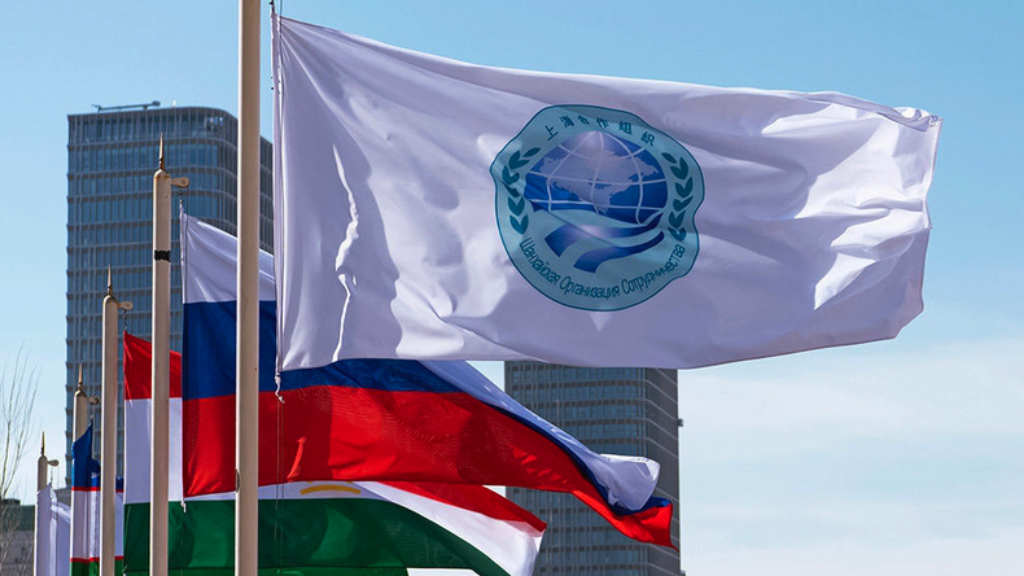

The volume of Russian Railways (RZD) transport with member countries of the Shanghai Cooperation Organisation (SCO) reached 326 million tonnes in 2025, 1.3% more than in 2024, and 1.5 times more than 5 years ago, according to RZD CEO Oleg Belozyorov. He was speaking at the VI Meeting of the Heads of Railways of the Member States of the Shanghai Cooperation Organisation in Bishkek.
According to Belozyorv, 62% of all international RZD transport is carried out in communication with SCO countries. The largest volumes of transport during 2025 were with:
 | China – almost 187 million tonnes in 2025 (2-fold growth in 5 years), |
 | Kazakhstan – 65 million tonnes (+2% to 2024), |
 | Belarus – 42 million tonnes (1.6-fold growth in 5 years), |
 | India – 16 million tonnes (1.8-fold growth in 5 years), |
 | Kyrgyzstan – 3.8 million tonnes (1.4 times more in 5 years). |
Belozyorov stated that “To support these dynamics, I consider the development of railway corridors a priority. This is the basis of interregional connectivity and the competitiveness of our economies. The SCO space is an ideal platform for shaping a unified vision of what the railway industry will look like in 10, 20, and 30 years. In this regard, the working group has been tasked with preparing a strategic foresight for the next meeting of railway executives. The final document will define long-term goals and scenarios for the development of railway transport in the SCO member states.”
Rail connectivity has been a development priority for many SCO countries, with the countries listed above increasing their track length as follows:
China

Investment in railway construction has seen a 10.8% increase in the first five months of 2024, with plans for over 2,600 km of new rail tracks to become operational in 2025. China aims to expand its high-speed rail network to around 60,000 kilometers by 2030, with a total of 180,000 kilometers expected by 2030. The country’s railway network handled a record 4.08 billion passengers in 2024, with daily traffic reaching a high of nearly 21.45 million. The network also moved 3.99 billion metric tons of cargo, marking the eighth consecutive year of growth.
Kazakhstan
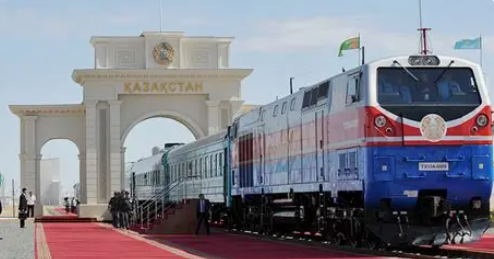
Kazakhstan is making significant strides in its rail track development, with a focus on enhancing connectivity and logistics. The “Transforming Rail Connectivity in Kazakhstan” includes the construction of a new 322.3 km railway line and the provision of technical assistance and institutional strengthening to the national railway operator, KTZ. The project is expected to contribute to tripling the volume of freight operations and halving end-to-end transit times along the Middle Corridor by 2030.
The Dostyk-Moyynty railway line and the new Almaty bypass have been put into operation, increasing network capacity by a factor of five. Kazakhstan aims to modernize 11,000 km of highways and construct over 5,000 km of new railways by 2030.
Belarus
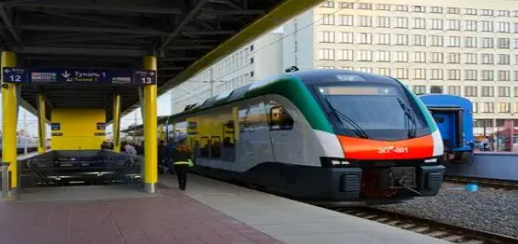
Belarus is actively working on expanding its railway infrastructure, including a new high-speed rail line planned to connect Minsk directly to the National Airport by 2029. Belarusian Railways is focusing on Russian freight routes, upgrades, and China-Europe rail bridge projects. These developments are crucial for logistics specialists and aim to enhance the country’s position in the Eurasian logistics market. Belarus is also incorporating digital technologies into their rail business model to improve customer service and efficiency. This strategic move is expected to benefit both passenger and freight services and is part of Belarus’s broader strategy to modernize its railway system and improve its role as a key transit route between Russia and Asia. The ongoing efforts in rail track development are expected to have a significant impact on the country’s transportation landscape and economic growth.
India
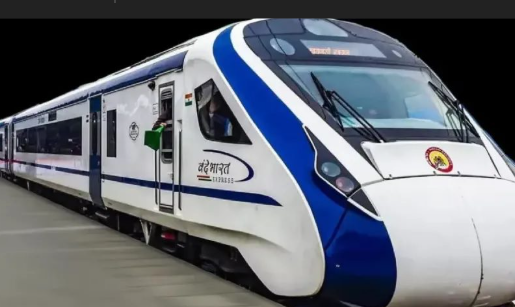
India’s rail track development is on a rapid path to modernization, with significant investments and projects aimed at enhancing the country’s railway infrastructure. The Indian government has announced plans to invest US$57 billion to upgrade the railways by 2030, focusing on 100% electrification, upgrading existing lines, and expanding new lines. This includes the 325 km Mumbai-Ahmedabad Bullet Train (set to open in 2027), and a major track expansion project on four key corridors has been approved, involving the construction of 574 km of railway. India’s railway network aims to achieve full electrification by 2030.
Kyrgyzstan
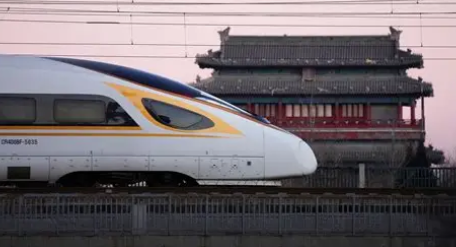
Kyrgyzstan’s rail development is marked by the Trans-Eurasian Route project, a US$3 billion railway spanning the entire Central Asian country. This project will connect the village of Makmal in southern Kyrgyzstan to the city of Karakol in the east, improving the transport network, modernizing its transportation infrastructure and integrating it into the international Eurasian rail network with China, Central Asia, and Russia.
Russia
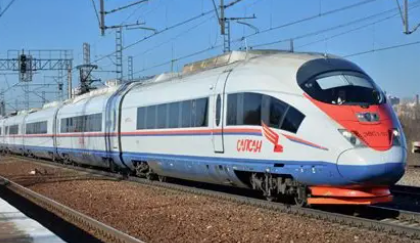
Russia is investing heavily in its rail infrastructure, with plans to lay new routes and upgrade existing ones, particularly in the Arctic regions. Russia’s strategic goal is to develop technological sovereignty and achieve leadership in high-speed transportation. By 2028, it is planned to launch a high-speed railway line between Moscow and St. Petersburg, significantly reducing travel time. Additionally, several other high-speed railway projects are being implemented, including Moscow-Adler, Moscow-Ryazan, Moscow-Yekaterinburg, and Moscow-Minsk. The total length of these routes will exceed 4,500 kilometers. These projects are part of a larger effort to create a national network of high-speed railways, which is expected to eventually serve up to 80% of Russia’s population.
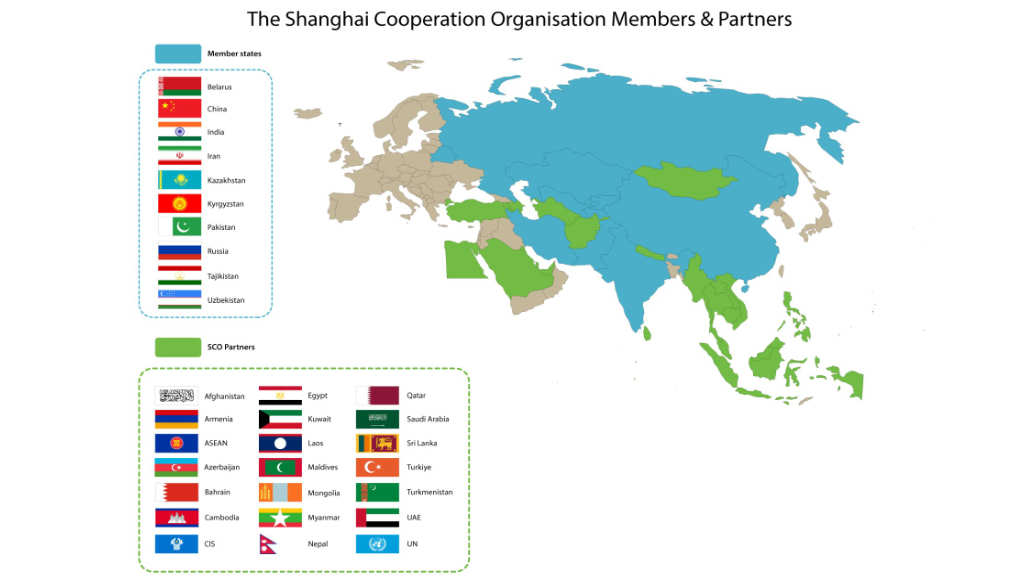
These initiatives will almost certainly spill over into other SCO member countries. These also include Iran, Pakistan, Tajikistan, and Uzbekistan as full members, while Afghanistan, Armenia, Azerbaijan, Bahrain, Egypt, Kuwait, Qatar, Saudi Arabia, Turkiye and the UAE are all partners in the Near East, Middle East, and Central Asia, with Cambodia, the Maldives, Myanmar, and Nepal partners in the Far East.