
 Русский







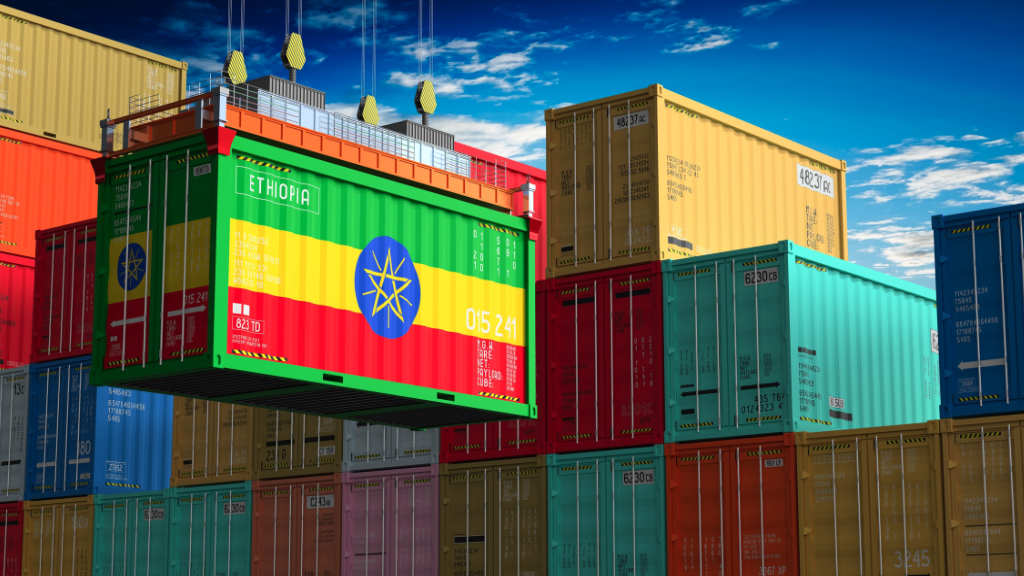

Russia’s Wildberries & Russ (RWB) has launched sales of goods from Ethiopia to Russia, RWB CEO Tatyana Kim said at the KIT-2026 conference. Coffee, textiles, leather goods and accessories, cosmetics, and home decor will be available for purchase on the marketplace during the first phase of the collaboration.
RWB said that delivery of Ethiopian products to the end user in Russia takes approximately two weeks—depending on the product. Wildberries is also currently developing a logistics facility to circulate goods between the countries, including through partnerships with Ethiopost, Ethiopia’s postal service. Ethiopia’s most popular exported consumables are coffee, tea, cut flowers, and dried pulses.
Russian sellers will be able to sell their products on the Ethiopian market at the second phase scheduled for implementation this year.
RWB signed a partnership agreement in November last year with Ethiopian Investment Holdings, Ethiopia’s largest investment holding company and the Ethiopian government’s sovereign wealth fund and strategic investment vehicle. One of the stated goals was to enter the Ethiopian and other African markets.
The agreement reportedly envisages joint efforts to localize RWB products for the Ethiopian market, as well as partnership and support through investment and technology initiatives to promote the development of e-commerce and facilities in the region.
Evgeny Terekhin, the Russian Ambassador to Ethiopia, previously stated that coffee has also emerged as a standout product in bilateral trade. Ethiopian varieties, particularly from the Sidamo and Harar regions, are gaining popularity in Russia. Terekhin stated that “Traditional export items are acting as growth drivers: Russia is increasing supplies of fertilizers, agricultural machinery, and energy equipment, while Ethiopia is boosting exports of coffee, flowers, and textiles.” Statistics confirm growing interest: if in 2024 the volume of supplies amounted to US$45.9 million, by the end of 2025 it had grown 2.6 times to reach US$123.3 million. In physical terms, our imports increased from 8,300 tons to 18,300 tons.”
Ethiopia is the 11th country where the marketplace operates. Wildberries currently operates in Armenia, Belarus, Georgia, Kazakhstan, Kyrgyzstan, Tajikistan, and Uzbekistan, in addition to Russia, and partners with vendors in China and the United Arab Emirates.