 Русский




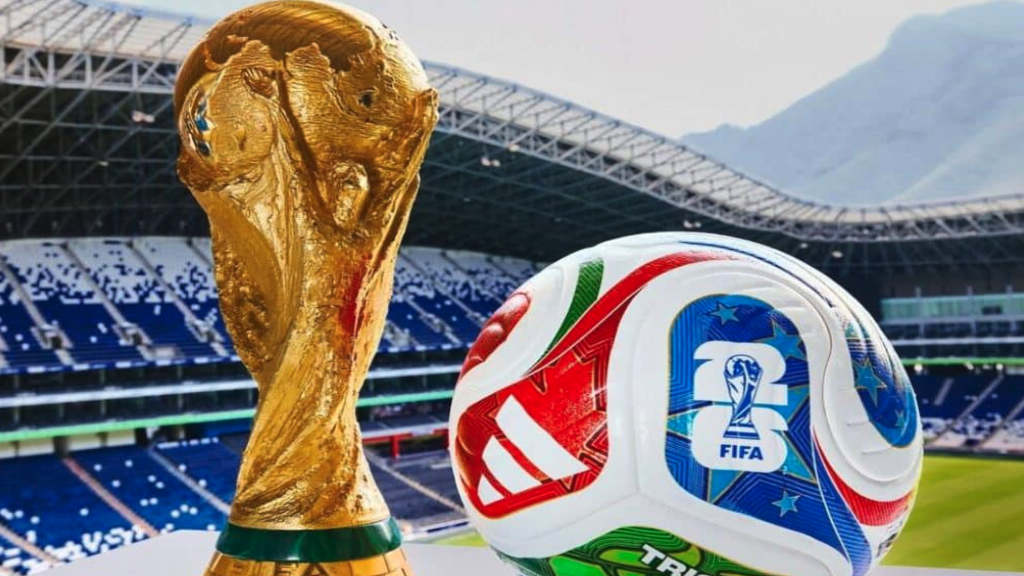

The 2026 FIFA World Cup (Soccer) Finals are due to kick off in Mexico City in just three months’ time on June 11, with the first matches to be played in the United States taking place on June 13. In this article we look at the political relations between each of the countries represented and the United States.
With just a few weeks to go until the World Cup, the Iran war may have become an own goal for the sports event co-hosted by the United States, Mexico, and Canada. How the conflict will affect the world’s most watched sporting event is the latest issue facing organizers, beyond the obvious cartel violence in Mexico.
Officials of the qualified teams are meeting with FIFA staff in Atlanta this week. It’s not unusual for international politics to overshadow a global sports event like the World Cup—at least in the lead-up, before the actual sporting phase starts. The 2026 tournament looks set to kick off in the midst of serious political tensions involving the U.S. and several of the participating nations and about 75% of all of them as concerns tariffs.
Some are also facing certain travel restrictions, with citizens from the Middle East, Central and South America, and Africa all likely to face United States visa issuance problems. The US has recently been very strict concerning foreign visitors and imposed drastic measures. on any considered in any even potential breach of US immigration laws. Inbound tourists may be subjected to examination of up to 5 years of social media history, creating significant delays and questioning by US homeland security officials. The overall US immigration attitude has changed in recent years to suspicion rather than welcoming.
Denmark, which can still qualify through playoffs in March, has been shaken by President Donald Trump’s calls for the U.S. to annex Greenland. The European Union, meanwhile, is currently subject to 15% tariffs—higher than the standard US 10% baseline tariffs on imports—but this may increase to 25% by June—just before the tournament begins—if ongoing trade negotiations fail. The US attitude towards Europe recently has been somewhat confrontational.
In the middle of the tournament, on June 24-25, NATO is due to hold a security meeting in Brussels, which Trump will probably attend. That is also likely to be confrontational, as it deals with finance issues and security, including the situation concerning Ukraine.
With 100 days to go, the United States is also in a military conflict with Iran, one of the first teams to qualify. Iran is scheduled to play two group stage games in Inglewood, California, and one in Seattle. Whether the Iranian team will now participate is uncertain, with Iran’s top soccer official, Mehdi Taj, saying that it was ‘unlikely.’ No team that qualified has withdrawn over the past 75 years.
There has also been criticism from regional Middle Eastern governments about the role the United States is playing in Iran, as they have faced reciprocal attacks on their own territories. At present they are holding the US line, but if the situation deteriorates, Middle Eastern opposition towards US regional involvement could become more complicated. Egypt, Qatar, and Saudi Arabia have all qualified, while Iraq and Turkiye are currently involved in playoffs.
Should Ukraine qualify, their participation could also become a divisive political element within the tournament, especially given their recent nationalistic showboating at the Winter Olympics and Paralympics in Italy.
As concerns the financing of the event and its high security overheads, the United States is already politically divided. US Republicans have said that federal money may be held up by the partial government shutdown of the Department of Homeland Security, caused by Democrats insisting restrictions be placed on Immigration and Customs Enforcement agents. It is not expected for the individual states involved to free up these necessary funds, which further adds to increasing the pre-tournament anticipatory tensions.
Here we identify all the nations expected to participate, plus the countries not yet qualified but who may also join the tournament, and give a brief overview of their political relations with Washington and the current level of US tariffs imposed on their exports. Anything above 10% is higher than the standard United States import duty baseline.
Albania
Yet to qualify. Maintains positive relations with Washington. Subject to 10% tariffs on exports to the US.
Algeria
Maintains positive relations with Washington, but trade ties have become frayed. Algeria is subject to 30% tariffs on its exports to the US and 120% on steel rebar.
Argentina
Maintains positive relations with Washington. Recently obtained a significant credit line from the US to support its currency and signed a trade deal in February.
Australia
Maintains positive relations with Washington. It is subject to 10% tariffs on its exports.
Austria
Maintains positive relations with Washington. It is subject to 15% US tariffs.
Belgium
Maintains positive relations with Washington. It is subject to 15% US tariffs.
Bolivia
Yet to qualify. Relations with Washington have been improving after several years of political stresses. Subject to 10% tariffs on exports to the US.
Bosnia and Herzegovina
Yet to qualify. Maintains positive relations with Washington, yet trade ties are frayed. Is subject to 30% tariffs on exports to the US.
Brazil
Brazil has difficult relations with Washington and has been hit with 50% tariffs on its exports.
Canada
Co-hosts. Maintains positive relations with Washington, but there have been recent tensions over Trump’s claims he would like to annex the country, and it would be better off under US administration. Is subject to 35% tariffs for non-trade agreement goods.
Cape Verde
Maintains positive relations with Washington. Subject to 10% tariffs on its exports.
Columbia
Has problematic relations with Washington over accusations of migrants, drug smuggling, and border control issues. Trump has insulted the Colombian president. Tariffs have been raised to 10%.
Congo
Yet to qualify. Maintains positive relations with Washington. Congo exports to the US carry 10% tariffs.
Croatia
Maintains positive relations with Washington. It is subject to 15% US tariffs on its exports.
Curaçao
Maintains positive relations with Washington. It is subject to 10% tariffs on its exports to the US.
Czech Republic
Yet to qualify. Is subject to 15% US tariffs on exports.
Denmark
In a playoff qualifier, it has been subjected to political pressure from Washington that it give up Greenland to the United States. Relations are strained. It is subject to 15% tariffs on exports.
Ecuador
Maintains positive relations with Washington. Tariffs on more than 60% of Ecuador’s exports to the United States are 15%.
Egypt
Generally positive, but do not see eye to eye regarding events in the Middle East or BRICS. Subject to 10% tariffs on its exports to the US.
England
Maintains positive relations with Washington, although there are tensions between Trump and the British Prime Minister following the UK denial of Indian Ocean airbases to US forces attacking Iran. The UK is subject to 10% tariffs on its US exports.
France
Maintains positive relations with Washington, although there are tensions between Trump and Macron. It is subject to 15% US tariffs on its exports.
Germany
Maintains positive relations with Washington. It is subject to 15% US tariffs on its exports.
Ghana
Maintains positive relations with Washington. Subjected to 10% tariffs on its exports.
Haiti
Generally positive, although some tensions over gang violence. The US has imposed 15% tariffs on Haitian exports, creating some stresses.
Holland
Maintains positive relations with Washington. It is subject to 15% US tariffs on its exports.
Iran
At war. Mehdi Taj, president of the Iranian Football Federation, said that the national team is unlikely to be able to participate in the 2026 World Cup after the US military operation against Iran. Iran is heavily sanctioned, and has been cut off from the SWIFT banking network. The US has also placed an additional 25% tariff on import duties upon third countries that trade with Iran.
Iraq
The Iraqi Football Association is in emergency talks with the International Football Federation (FIFA) over concerns about participating in the intercontinental play-offs. With the country’s airspace closed, about 40% of the players will not be able to reach the game venue. In addition, several players and members of the national team coaching staff are unable to obtain visas to Mexico and the United States. There is tension between Baghdad and Washington, as the country is home to US Air Force bases. There is a 30% duty on exports to the United States.
Italy
Yet to qualify. Relations are positive, but Italy is subject to 15% US tariffs on exports.
Ivory Coast
Maintains positive relations with Washington. Subject to 15% tariffs on exports.
Jamaica
Yet to qualify. Relations are positive, although subjected to 10% tariffs on exports.
Japan
Maintains positive relations with Washington. It is subject to 15% US tariffs on its exports.
Jordan
Maintains positive relations with Washington. Subject to 15% tariffs on exports to the US.
Kosovo
Yet to qualify. Has currently problematic relations with the US and is not recognized as a country by many nations. Subject to 10% tariffs on its exports to the United States.
Mexico
Co-host. Has difficult relations with Washington and has recently endured military problems with narcotics gangs. Trump agreed that the country should not pay for goods that are covered by the USMCA Agreement (a free trade agreement between the United States, Mexico, and Canada). For other goods, the US government imposed 25% tariffs.
Morocco
Maintains positive relations with Washington. Subject to 15% tariffs on exports to the US.
New Caledonia
Yet to qualify. New Caledonia is a French overseas territory, and relations are governed by US relations with France, subject to 15% tariffs on exports to the United States.
New Zealand
Maintains positive relations with Washington. Subjected to 15% tariffs on its US exports.
Northern Ireland
Yet to qualify. Subject to 10% tariffs on exports.
North Macedonia
Yet to qualify. Has positive relations with Washington. Subject to 15% tariffs on exports to the United States.
Norway
Maintains positive relations with Washington. Subject to 15% tariffs on exports to the United States.
Panama
Maintains positive relations with Washington, although there have been stresses over some US investments such as the operations of the Panama Canal. 86% of Panamanian goods may enter the US duty-free, with the rest subject to 10% tariffs.
Paraguay
Maintains positive relations with Washington. Subject to 10% tariffs on its exports to the US.
Poland
Yet to qualify, it has good relations with Washington but is subject to 15% tariffs on its exports.
Portugal
Maintains positive relations with Washington. It is subject to 15% US tariffs on its exports.
Qatar
Maintains positive relations with Washington. Has been critical of US handling of Middle East affairs, including with Iran. Subject to 15% tariffs on its exports to the United States.
Romania
Yet to qualify. Has good relations with Washington. Subject to 15% tariffs on US exports.
Saudi Arabia
Maintains positive relations with Washington. Has been critical of US handling of Middle East affairs. Currently subject to 10% tariffs on its exports to the US, with plans to increase this to 15%.
Scotland
Maintains positive relations with Washington, although there have been local protests against Trump building a golf course in the country. It is subject to 10% US tariffs on its exports.
Senegal
Maintains positive relations with Washington. Subject to 10% tariffs on its exports to the United States.
Slovakia
Yet to qualify. Has difficult relations with Washington and the EU. Subject to 15% tariffs on US exports.
South Africa
Has a difficult relationship with Washington and is currently sanctioned. Subject also to recent 30% tariffs on exports to the US, with some sectors (steel) as high as 50%. Trump skipped the G20 meeting in South Africa, labeling the country as racist and saying that it shouldn’t be in the G20. South Africa is the African continent’s largest economy and a founding member of BRICS.
South Korea
Maintains positive relations with Washington. It is subject to 15% US tariffs on its exports.
Spain
Maintains positive relations with Washington, although Trump has recently threatened to cancel all bilateral trade after Spain’s refusal to allow US use of Spanish air bases. It is currently subject to 15% US tariffs on its exports.
Suriname
Yet to qualify. Has good relations with Washington. Subject to 10% tariffs on its exports.
Sweden
Yet to qualify. Has positive relations with Washington, faces 10% US tariffs on exports and up to 50% on steel.
Switzerland
Maintains positive relations with Washington. It is subject to 15% US tariffs on its exports.
Tunisia
Maintains positive relations with Washington but has been hit by a 25% tariff on its exports to the United States to reduce what Washington says is a trade imbalance.
Turkiye
Yet to qualify. Has difficult relations with Washington and could be drawn into the Iran conflict. Has 15% tariffs imposed on its exports to the United States.
United States
Co-host. The United States team is sure to attract partisan American support, with Trump expected to use this for political support—which may not resonate well elsewhere. The US team is drawn to play Paraguay, Australia, and the winner of playoffs to take place between Türkiye, Romania, Slovakia, and Kosovo.
Ukraine
Yet to qualify. Has problematic relations with Washington and a 15% tariff on its exports to the United States.
Uruguay
Maintains positive relations with Washington, with 15% tariffs on its exports to the United States.
Uzbekistan
Maintains positive relations with Washington and is also very much in Russia and China’s orbit. Has faced sanctions threats. Has a 15% tariff on its exports to the United States.
Wales
Yet to qualify. Subject to 10% tariffs on US exports.
Summary
Online media comments have suggested that teams boycott the tournament or that it be cancelled. At present, neither of these options looks likely, although the current situation in Iran, if it deteriorates and spreads, could mean the tournament is either considered a security risk or ‘nationally inappropriate’—especially if American casualties worsen. There is also an increased terrorism threat, including within the United States itself. There is a risk that Trump’s comments on the national teams taking part and their countries could also be inflammatory.
The traditional ‘party mood,’ which was such an enjoyable part of the Russia 2018 and Qatar 2022 tournaments, could also give way to anger, frustration, and potential violence should the US administration prove unwelcoming to visiting foreign fans. The fact that an important NATO conference takes place right in the middle of the tournament is not conducive to goodwill between the hosts and European participants either.
It is clear that the United States has not cleared all the decks to make the 2026 FIFA World Cup a trouble-free event for all global participants to enjoy. Instead, the attitude appears to be relying on its success as an American-only party without particular concern for anybody else. It therefore remains to be seen how successful that modus operandi will be in what remains the world’s primary global event—6 billion viewers are expected to tune in. Whether that turns out to be a sporting triumph or a serious global failure remains, somewhat astonishingly, rather in the balance.