 Русский






The convening of the first Forum of Regions of Russia and Mongolia on December 1–2, 2025, in Irkutsk marks far more than another diplomatic gathering. It is the institutionalization of a new phase in Eurasian regional diplomacy—one that transforms longstanding neighborliness into a modern, diversified, and strategically aligned partnership.
With over 300 participants from 14 regions of both countries and an agenda spanning trade, energy, transport logistics, finance, agriculture, and humanitarian ties, the forum demonstrates a shared determination to anchor bilateral cooperation in tangible economic mechanisms.
Led by Russia’s Deputy Prime Minister Alexei Overchuk and Mongolia’s First Deputy Prime Minister and Minister of Economy and Development Jadambyn Enkhbayar, the message was unequivocal: regional and cross-border cooperation is becoming the backbone of Russian–Mongolian relations, with promising implications not only bilaterally, but also within the expanding Russia–Mongolia–China trilateral economic framework and possibly beyond.
A Bilateral Partnership Defined by Pragmatism and Growth
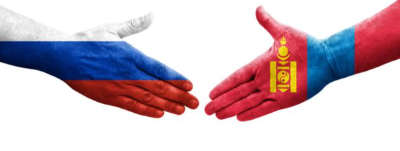
Russia and Mongolia approach their relationship with a shared understanding of geography, economic complementarity, and long-term strategic needs. In an era of shifting global trade patterns and logistical re-routing across Eurasia, Moscow and Ulaanbaatar recognize that their economic futures are increasingly interlinked.
Their trade momentum reflects deepening ties, with the numbers speaking for themselves: 2024 bilateral trade surged by 17.8%, a strong rebound driven by energy products, industrial exports, food supplies, and growing Mongolian exports. January–September 2025 trade reached USD 2 billion, a 5% year-on-year increase despite global uncertainty. Between January and August 2025, trade expanded nearly 8%, underlining sustained dynamism.
Mongolia today stands among Russia’s most stable partners in Central and Northeast Asia. For Ulaanbaatar, Russia remains a strategic supplier of mineral fuels, iron and steel, locomotives/rolling stock, cereals, lubricants, machinery, electrical equipment, fertilizers, plastics, vehicles, pharmaceuticals, wood products, beverages, cosmetics, soaps, and chemical goods, while Mongolia exports meat, livestock products, wool, cashmere, leather, and agricultural goods.
Russia is also opening transit routes to help landlocked Mongolia diversify exports to third countries, assisting Mongolia’s economy in the process. These new infrastructure developments are helping Mongolia reach out to renewed foreign investment. For example, India’s huge JSW Steel and SAIL multinationals are now negotiating purchases of 77,500 tons of Mongolian coking coal – set to transit via Russia – showcasing Mongolia as a rising Eurasian regional supplier capable of reaching out to South Asia.
The EAEU–Mongolia Trade Agreement: A New Economic Architecture
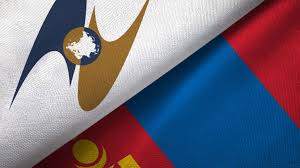
The Forum highlighted the landmark Interim Free Trade Agreement between the Eurasian Economic Union (EAEU) and Mongolia, signed in June 2025. Key advantages include duty-free access to a 180-million consumer market, a transformative opportunity for Mongolian producers, preferential conditions for Russian exporters entering the Mongolian market, stronger value-chain integration in agriculture, mineral processing, textiles, construction materials, and food industries, and harmonization of technical standards, veterinary-sanitary control, and customs procedures.
Mongolia’s trade sector, accounting for 17.8% of GDP and serving as one of the country’s most important sources of employment, continues to strengthen through pragmatic cooperation with trusted partners. In this context, the EAEU preferential trade agreement stands as a significant step forward. Although the accord covers 367 goods, its structure is clearly aligned with Mongolia’s national priorities: 97.5% of Mongolia’s listed exports consist of agricultural and livestock products, while the bulk of tariff-reduced imports are minerals and chemical goods that support domestic production rather than compete with it.
Importantly, the agreement includes protective mechanisms such as quotas and the option to retain tariffs to safeguard Mongolian producers. According to official projections, the FTA will stimulate a 2.57% growth in investment and expand Mongolia’s exports to the EAEU by 24.1%.
Of particular note is the expected 152% growth in high-value processed exports such as meat, wool, cashmere, textiles, and leather goods, providing Mongolia with stable, duty-free access to a market of 180 million consumers across the five EAEU states (Armenia, Belarus, Kazakhstan, Kyrgyzstan, and Russia). High-end Mongolian cashmere stores have already opened in key malls in Moscow and St. Petersburg.
Russia expects final ratification of this agreement by mid-2026, paving the way for accelerated trade flows and deeper industrial cooperation.
Energy Security
For decades, Russia has been Mongolia’s guarantor of energy stability. This role continues to expand, supported by both countries’ pragmatic recognition of mutual benefits. Unfortunately, an ironic stumbling block to solving Mongolia’s energy issues has been its democracy, with successive governments overturning long-term plans to clean up and replace Ulaanbaatar’s Soviet-era coal power plants. But some progress is being made, with Mongolia’s unique position between Russia and China meaning it can both tap into new oil and gas supplies heading to China for its own, cleaner domestic use – and charge transit fees of supplies heading for the border.
- Oil and Petroleum Supplies
Mongolia imports over 90% of its petroleum products from Russia. Ensuring an uninterrupted supply of oil and lubricants remains a central pillar of bilateral trust. Continued cooperation guarantees price stability for Mongolian consumers and reliable export revenue for Russian companies. - Pipeline Prospects and Trilateral Energy Corridors
The broader strategic horizon includes the Russia–Mongolia–China trilateral format, strengthened by agreements signed in Beijing on the Power of Siberia-2 project. Mongolia stands to benefit from transit revenues, job creation and service-sector expansion, and integration into Northeast Asia’s energy architecture. Beyond gas, Gazprom’s Memorandum of Understanding with the Mongolian government opens avenues for collaboration in exploration, storage, and oil product logistics.
These bilateral and trilateral cooperation strategies are crucial pillars for advancing integration across the Russian Far East, Mongolia, and China’s Northeast—three regions whose economic complementarities align naturally with deeper connectivity. Strengthened trade arrangements, coordinated transit corridors, and harmonized technical standards not only expand market access for Mongolian producers but also reinforce Russia’s role as a key transit and energy partner while supporting China’s demand for stable, diversified supply chains. Together, these initiatives form the backbone of regional architecture aimed at ensuring predictable growth, secure logistics, and long-term economic stability for all three partners.
Transport and Logistics: Building the Arteries of Northern Eurasia
Connectivity is the framework upon which economic cooperation stands. In this respect, the Forum underscored the exceptional importance of railway and road transport integration, particularly via the Russia–Mongolia–China Economic Corridor and the following key arteries:
- The Ulaanbaatar Railway
The Ulaanbaatar Railway Joint Stock Company, a historic Russian–Mongolian joint venture since 1949, is expanding capacity to handle rising freight transits between Russia and China, increased exports of Mongolian minerals and agricultural goods, and new cross-border industrial shipments. The benefits are substantial enough that Russia and Mongolia have also agreed to update their railway and transport corridor development plans by 2026 focusing on the electrification of key routes. modernization of customs terminals; construction of new multi-modal hubs and expansion of cross-border checkpoints and logistics parks.
Upgrading and developing the Ulaanbaatar Railway marks a pivotal milestone in realizing the central railway line of the Russia–Mongolia–China economic corridor. Once completed, it is projected to handle 50 million tonnes of freight by 2030, transforming regional logistics, boosting trade efficiency, and cementing Mongolia’s role as a vital transit hub in Eurasia.
- Northern Eurasia as a Growth Corridor
The combined population of Russia (146 million) and Mongolia (3.4 million) is modest, and geographically they occupy the heart of Eurasia’s continental trade routes. Increasing cargo flows through Mongolian territory reduces distance between Russian regions and Chinese markets, offering lower transportation costs; reduced delivery times for minerals, food, timber, and machinery; and diversification of trade routes amid global geopolitical realignments.
Regional Cooperation: The Engine of Practical Progress

A hallmark achievement of the Forum was the signing of the Middle-Term Programme of Inter-Regional Cooperation for 2026–2030. The document outlines 120+ planned joint events and 70 areas of cooperation and interaction between the constituent regions of the Russian Federation and Mongolia’s 21 aimags (provinces).
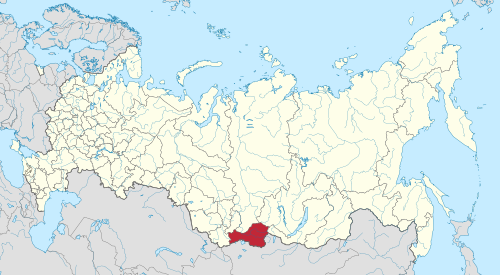
A number of interregional agreements on cooperation between Russia’s Irkutsk region, the Republic of Buryatia and the Republic of Tuva with Mongolia were also signed. Tuva is setting an example in growing regional economic collaboration with Russia and is emerging as a key player in expanding Russia-Mongolia ties, with projects focusing on transport infrastructure and meat processing ventures.
Collaborations also include wool processing, veterinary medicine, and border security. A joint tourist route spanning Tuva, Mongolia, and the mountainous Altai regions to the west is also in the works, alongside increased student exchanges. These efforts underscore Tuva’s pivotal role in regional economic integration and bilateral cooperation.
This decentralized economic diplomacy is becoming increasingly important. Regional administrations and businesses are often more agile and better positioned to identify practical opportunities in timber and forestry products; food processing; mining and rare-earth materials; tourism and cultural exchanges; SMEs and cross-border commerce; renewable energy, especially wind and solar; and infrastructure construction and engineering. The first Forum’s contacts exchange, business councils meeting, and regional exhibitions created exactly the micro-level environment required for grassroots connectivity.
Sectoral Potential: Where Opportunities Lie
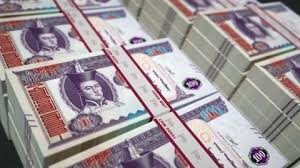
There are numerous opportunities for investors to explore. We highlight these as follows:
- Mineral Resources and Rare-Earth Development
Mongolia possesses significant reserves of copper (Oyu Tolgoi), coal, molybdenum, fluorspar, and rare earth elements. Russia’s technological expertise in geological exploration, engineering, and metal processing can help diversify Mongolia’s mineral value chains, improving its export profile beyond raw materials.
- Agriculture and Food Processing
Russia increasingly views Mongolia as a partner in organic meat, dairy, wool, and cashmere processing, and will provide much-needed competition for China in the main Ulaanbaatar consumer market. Joint ventures in veterinary certification, sanitary standards harmonization, refrigerated logistics, and dairy and meat processing plants will significantly boost bilateral trade.
- Renewable Energy and Green Transition
Mongolia’s vast wind and solar potential offers a transformative opportunity for sustainable energy growth, but unlocking this potential requires substantial investment and infrastructure development. Russian and EAEU companies can support grid modernization, battery storage systems, hybrid power projects in rural areas, and training of local specialists.
- Tourism and Cultural Cooperation
The strengthening of humanitarian ties highlighted by the delegations laying flowers at the Eternal Flame of Glory in Irkutsk is symbolic of deeper cultural affinity. Joint tourism routes connecting through Baikal, Buryatia, Tuva, the Gobi Desert and Ulaanbaatar will create new service industries, boost airlines, and increase people-to-people contacts.
- SME Cooperation
SMEs from both countries are poised to gain from reduced customs barriers, EAEU duty-free market access, simplified border procedures, and financial integration, including discussions on opening Russian bank branches in Mongolia, a major step toward stable settlements. Russia’s Fanagoria winery’s expansion into Ulaanbaatar exemplifies the growing appetite for cross-border business at the consumer level.
Financial Infrastructure: De-Risking Trade
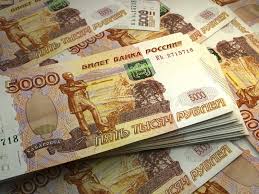
One of the Forum’s most important discussions concerned mutual payments and settlements. Both sides signaled progress toward national currency settlements, improved banking channels, opening new financial institutions, and linking payment systems. Given the global trend towards de-dollarization, Russia and Mongolia are positioning themselves at the forefront of regional financial sovereignty. The establishing of a Russian bank branch into Mongolia would streamline trade and foster more efficient economic exchanges, boosting bilateral ties and regional growth.
The Trilateral Dimension: Russia-Mongolia-China
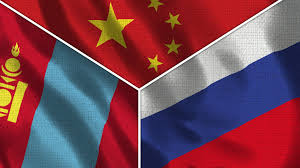
The trilateral format is critical for Mongolia’s geopolitical balance and for Russia’s Eurasian strategy, as well as the pan-Russian Far East–Mongolia–China Northeast integration. In later years this may also expand to include North Korea.
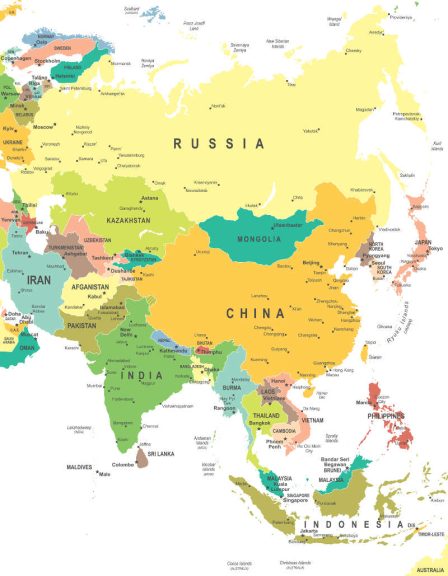
Mongolia is the shortest transport corridor between Russia’s Siberia and China’s northern Tianjin and Dalian ports. It offers stable political neutrality with constructive diplomacy and provides vast land routes for pipelines, rail, and road expansion. Its mineral wealth is crucial to Chinese industries and Eurasian supply chains.
The Power of Siberia-2 pipeline project is also expanding transit traffic through Mongolia, improving trilateral road network modernization, and better coordinating customs procedures, while cross-border industrial parks and free-trade logistics zones are beginning to spring up. The Russia-Mongolia-China trilateral format is no longer aspirational and is becoming institutionalized.
A Shared Eurasian Vision

2026 will mark the 105th anniversary of diplomatic relations between Russia and Mongolia. The second Forum of Regions is scheduled to be held in Mongolia next year and will evaluate the progress of agreements made at this event and is likely to announce additional industrial, logistical, and cultural partnerships.
The trajectory is clear: Russia offers market scale, industrial capability, technology, and energy resources; Mongolia provides strategic transit routes, raw materials, renewable energy potential, and an eager export-oriented business community; and China adds market gravity, manufacturing power, and investment capacity. Together, the three countries are shaping a North Eurasian Growth Belt, a corridor of commerce, infrastructure, energy flows, industrial projects, and cultural synergy stretching from Lake Baikal to the steppes of Mongolia and onward to Beijing, its major Tianjin seaport, and the huge markets in Northeast China. Tianjin is one of China’s largest ports, while Northeast China (Liaoning, Jilin, Heilongjiang, and Inner Mongolia) has a population in excess of 100 million.
Mongolia’s own borders are with the Chinese province of Inner Mongolia, which has a population of about 25 million, and with Heilongjiang province, possessing a population of about 31 million. Both are accessible by road and railway.
Summary
The inaugural Forum of Regions of Russia and Mongolia was not simply a ceremonial launch. It was a manifestation of a deeper strategic shift towards regional pragmatism, shared economic interests, and Eurasian connectivity. As Deputy PM Overchuk and Minister Enkhbayar emphasized, the foundation has already been laid—trade shows consistent growth; energy cooperation is reliable and expanding; transport corridors are being modernized; the new EAEU trade agreement will unlock unprecedented market access; regional cooperation is anchored in over 120 joint initiatives; and cultural and humanitarian ties are strengthening. Russia and Mongolia today stand on the threshold of a new era, one defined not by ideology, but by economic logic, geographic complementarity, and a shared Eurasian destiny.
The article is written by Ms. Begum, a Dhaka-based independent researcher, international affairs analyst, columnist, and writer. It was especially commissioned by Russia’s Pivot To Asia.
Further Reading
Russia, Mongolia To Upgrade Road & Rail Corridors and Increase Freight Transit