 Русский




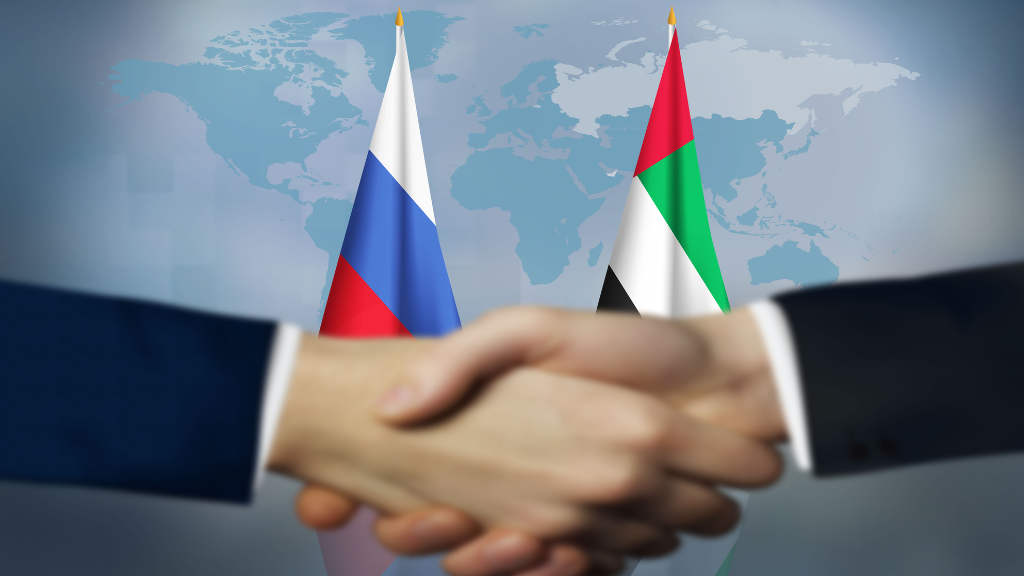

The first UAE-Russia Business Forum takes place today (December 10), in what promises to be a landmark event in the architecture of contemporary Eurasian connectivity.
Organized by the Russia–UAE Business Council with the support of the Russian Ministry of Industry and Trade and coinciding with the 12th meeting of the Russia-UAE Intergovernmental Commission on Trade, Economic and Technical Cooperation, the forum represents not only a milestone in bilateral dialogue but also a defining moment in the emergence of a new multipolar economic geography. It aims to turn potential into concrete deals and underscores how Russia and the UAE are deepening a pragmatic partnership built on trade expansion in non-resources sector and trade-in-services sector beyond traditional commodities and goods, technological cooperation, and investment flow.
With 200 participants from exporting, importing, manufacturing, logistics, and tech sectors, the event reflects Russia’s growing role as a strategic hub for connectivity and economic opportunity across Eurasia and the Gulf, Middle East and East Africa.
In an era marked by the rapid rise of new growth centers across the Global South, Russia and the UAE stand out for their pragmatic, forward-looking cooperation. The two countries have already built a partnership that is diversified, technology-driven, and guided by long-term strategic interests. Now, with trade volumes surging, investment flows expanding, and connectivity corridors reshaping regional supply chains, both sides are prepared to elevate their collaboration to an unprecedented level.
On a bilateral institutional basis, the UAE is a full member of BRICS, as well as being a partner nation to the Shanghai Cooperation Organisation. It signed a Free Trade Agreement with the Eurasian Economic Union (EAEU), which includes Russia, in June 2025, aiming to significantly boost non-oil trade by reducing tariffs, eliminating barriers, and fostering cooperation in services, logistics, and investment, also covering EAEU members Kazakhstan, Belarus, Armenia, and Kyrgyzstan. This agreement, which liberalizes over 80% of traded goods, serves as a major step in deepening economic ties between the Gulf hub and the Eurasian bloc.
A Record of Growth: Strong Foundations for the Next Leap
Trade turnover between Russia and the UAE has displayed a consistent upward trajectory despite global economic uncertainties. After reaching a record US$10.2 billion in 2023, bilateral trade reduced slightly to US$10 billion in 2024 yet is expected to surpass US$11.2 billion in 2025.
This evolving partnership highlights that the UAE has become one of Russia’s key economic allies in the Middle East. The UAE leadership shares this ambition. President Sheikh Mohamed bin Zayed Al Nahyan stated in Moscow during his crucial meeting with President Putin in August that the UAE aims to double its bilateral trade with Russia within five years, building on the solid current levels and leveraging the country’s wider US$30 billion turnover with Eurasian Economic Union (EAEU) states.
Both sides aim to double bilateral trade by 2030 to US$20 billion, reflecting strong confidence in long-term growth. With government leading the way, it signals that now is the moment to accelerate more vigorous trade and investment ties across diversified sectors. Such momentum positions the Russia-UAE corridor as a pivotal engine of Eurasian-Gulf economic connectivity. As both countries advance their economic diversification agendas and global trends shift toward new emerging sectors, this means realigning strategies to unlock the full potential of Russia-UAE cooperation across both traditional areas such as food and energy security and new frontiers including IT, high tech, and AI.
Against this backdrop, this business forum becomes not only a significant economic event but a powerful catalyst for deeper engagement. It serves as a stimulus and a wake-up call for policymakers and businesses to reassess priorities. The forum urges both sides to realign their strategies with the fast-changing dynamics of Russia-UAE cooperation. Such strategic recalibration will be essential to fully harness emerging opportunities in trade, investment, and connectivity.
Growth has not been limited to goods. Trade in services such as transport, logistics, finance, education, IT, and engineering has become a powerful new engine, and targeted to double by 2030. Russia and the UAE have taken a historic step to deepen economic cooperation by signing agreements on trade in services and investment, alongside a memorandum on transport.
With non-oil trade surging (In H1 2025, non-oil trade between the UAE and Russia rose to U$6.65 billion, a remarkable 75.3% year-on-year increase), UAE–Russia economic ties are increasingly driven by trade diversification and a growing services sector. This combination expands beyond traditional commodities into high-value industries like finance, logistics, IT, and emerging technologies, strengthening bilateral resilience and innovation.
The newly signed Trade in Services and Investment Agreement (TISIA) on August 7 this year gives this sector unprecedented momentum, liberalizing 64 Emirati services subsectors for Russian companies, from IT and aviation maintenance to education services and digital solutions. Russian businesses can now establish wholly owned subsidiaries with 100% Russian capital in key sectors. Opportunities span IT, education services, and aircraft maintenance, opening new avenues for bilateral investment and expertise exchange.
This breakthrough also addresses critical insurance issues in maritime and air transport, services in maritime and conventional transport sectors facilitating smoother trade operations. Russia, in turn, has opened 12 sectors to UAE companies, reflecting a balanced approach to bilateral growth signaling a new era of strategic economic partnership.
Meanwhile, the UAE’s global rise as an investment hub has created fertile ground for bilateral cooperation. With US$45.6 billion in FDI inflows in 2024 and ranking 10th worldwide, the Emirates has become a magnet for international capital and a launching platform for companies seeking access to the Middle East, Africa, South Asia, and beyond.
Russia has already capitalized on these advantages – Russian investments in the UAE now exceed Emirati investments in Russia by almost twofold, signaling the confidence of Russian companies in the long-term stability and openness of the UAE’s economic environment. Some 4,000 Russian companies now thrive in the UAE, a testament to the deepening and dynamic economic partnership between the two nations. Bilateral foreign direct investment continues to rise, underpinned by strong safeguards and transparent mechanisms that prevent double taxation. The UAE has firmly established itself as a premier destination for Russian capital, attracting investments across high-growth and strategic sectors. Russian investors have poured over ₽1 trillion (approximately US$12.7 billion) into UAE fixed assets, signaling robust confidence in long-term prospects.
This vibrant exchange highlights the UAE’s pivotal role in Russia’s global economic strategy and its drive toward trade and investment diversification. The UAE stands as a reliable partner for Russian businesses, offering a sanctuary from Western sanctions. Russian investors are flocking to Dubai real estate, securing freehold ownership and stable returns. Technology and services cooperation flourishes, with Russian firms fully operating in UAE free zones. Dubai has become the premier destination for Russian investors, offering safety, stability, and strong financial returns. Russians are driving a surge in luxury and waterfront real estate, from Palm Jumeirah villas to Dubai Marina high-rises.
A low 15% corporate income tax rate, zero tax on individual income, no capital gains tax, and secure property laws make Dubai an attractive alternative amid global uncertainties. The Golden Visa program and clear legal processes provide long-term residency and investment confidence for Russian families. With professional guidance, Dubai remains a reliable hub for wealth preservation, lifestyle, and strategic growth for Russian citizens Joint energy, transport, and industrial projects strengthen strategic ties through the Russian-Emirati Investment Council. As a global financial hub, the UAE ensures safe cross-border transactions, safeguarding Russian capital.
The Forum: A Platform for the Next Generation of Economic Synergies
The First Russia–UAE Business Forum is designed as more than a bilateral meeting. It is a strategic platform that will consolidate this trade and investment momentum and provide practical, business-ready mechanisms and trade policy solutions for accelerating cooperation in non-resource sectors. Together, the sessions and fruitful business dialogues should translate political goodwill and macroeconomic trends into actionable business results. Russia and the UAE are quietly engineering one of the most consequential economic pivots of the decade.
The agenda from long-term growth strategy to the launch of a dedicated accelerator for Russian tech in the Emirates signals a shift from transactional cooperation to structural integration. Behind closed doors, the trade and investment-focused platform should now tackle the hard questions of risk, governance, and co-investment, laying the groundwork for a joint platform spanning technology, energy, agrifood, and healthcare. And as the UAE–EAEU Free Trade Agreement comes into force, both sides see a chance to redraw global trade maps, building resilient multimodal corridors that link the CIS to the Middle East, Africa, and South Asia. The result is an emerging Russia-UAE economic architecture built not on rhetoric, but on complementary strengths and shared ambition.
- Connectivity as a Strategic Imperative
The global trade system is undergoing significant realignment, with supply chains shifting toward multipolar, diversified, and resilient networks. Russia and the UAE each occupying pivotal nodes in Eurasia’s transport architecture are well positioned to shape this transformation.
- The UAE’s Role: A Global Logistics Super-Hub
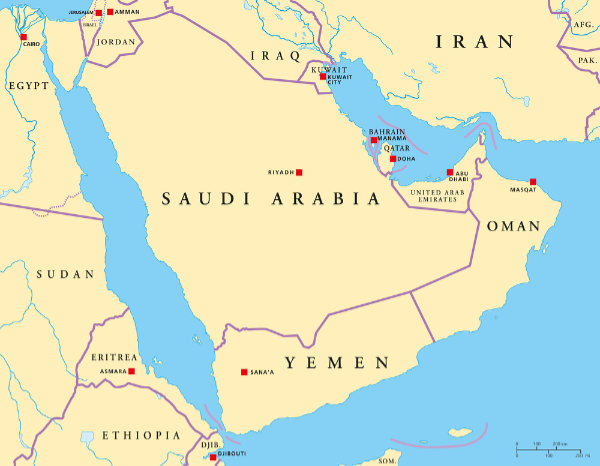
Dubai’s world-class ports and airports, coupled with its advanced free-zone ecosystem, make the UAE one of the most efficient logistics hubs on the planet. Cargo through the UAE continues to rise, supported by mega-infrastructure investments, including airport cargo capacity expansions and the development of new maritime terminals. The UAE’s hub status offers Russian exporters and logistics operators unparalleled access to: the Middle East’s 450 million consumers, the 2.04-billion-person South Asia region, dynamic markets in East Africa, and global re-export capabilities reaching over 170 countries.
With the UAE-EAEU CEPA reducing tariffs on more than 85% of goods and lowering the UAE’s average tariff on EAEU imports from 5% to just 0.6%, Russian manufacturers now have smoother, lower-cost access to these markets through Emirati ports. Annual savings from import customs duties are estimated to exceed $260 million. Russia and the UAE are still negotiating to finalize a free trade zone agreement under the UAE-EAEU FTA framework, marking a major step in economic integration. Once completed, this deal will accelerate trade and investment flows between the Gulf and Eurasian markets, boosting regional prosperity. In February 2025, Abu Dhabi hosted the first ‘Made in Russia’ Festival-Fair, bringing 80 companies from 30 Russian regions. These showcased the diversity and quality of Russian products, from food and beverages to industrial goods. Experts see it as a key platform for expanding Russia’s presence and trade across the Gulf region.
- Russia’s Role: A Eurasian Transport Powerhouse
Russia is reinforcing its alternative logistics corridors, including: the International North–South Transport Corridor (INSTC) linking Russia to the Gulf through Iran, the Northern Sea Route (NSR), emerging Black Sea-Gulf multimodal routes, and eastbound corridors via Kazakhstan and Central Asia. The UAE’s increasing involvement in these corridors including potential investment in key logistics assets, digitalized cargo systems, cold-chain infrastructure, and energy transport represents a mutually beneficial opportunity to co-create new global supply-chain architectures.
- A Diversified Agenda: Beyond Energy and Traditional Sectors
While hydrocarbons remain one of the important components of Russia-UAE cooperation, the relationship today extends far beyond oil and gas. Both countries are focused on non-resource sectors, reflecting their long-term diversification strategies.
- Industrial Manufacturing and Machinery
Russian machinery, engineering products, and equipment are experiencing rising demand in the UAE and broader Middle East. Conversely, the UAE’s advanced industrial policy centered on Industry 4.0, automation, and AI opens new spaces for co-production. For example, in the construction sector, Russia’s Sveza provides certified plywood, widely utilized in major projects across Dubai and Abu Dhabi. Its materials support high-quality building standards, reinforcing Russian expertise in the UAE construction sector.
- Digital Technologies and AI
The growing global tech trend highlights growing cooperation in:AI-driven computer vision,smart city technologies,fintech and digital payments,cybersecurity, ande-commerce infrastructure.Russian startups have already entered the UAE market with success, supported by local accelerators, venture capital, and free-zone incentives. At GITEX Global 2025, 31 Russian IT companies showcased cutting-edge IT solutions, making the Made in Russia pavilion one of the largest at the expo. Exhibitors highlighted cybersecurity, digital healthcare, industrial software, and advanced telecommunications, underscoring Russia’s technological expertise on the global stage.
- SME and Retail
Russian brands are rapidly expanding in Dubai, with 19 new entrants in 2024 and around 20 more on the way. Food service and homeware dominate the new openings, while cosmetics and fashion are steadily making inroads. Experts see continued growth as Russian retailers strengthen their presence, meeting Dubai’s demand for diverse and high-quality offerings. Leber provides safe and innovative playground equipment for schools and residential complexes across the UAE. Certified ‘Made in Russia’ products are increasingly visible across UAE supermarkets, retail chains, and online platforms like Amazon.ae. Russian FMCG offerings range from premium chocolates by Rot Front and Alenka to plant-based meats from Hi! (EFCO Holding), winning consumer attention. In cosmetics and wellness, Geltek-Medica delivers science-backed skincare, while Nature E Evolution SPA provides natural health solutions. This growing presence underscores Russia’s ability to meet diverse tastes and expand its footprint in the UAE market. As of 2024, the UAE’s population exceeds 10 million, with consumers exhibiting strong purchasing power. This makes the market highly receptive to a wide range of Russian products.
- Transport and Logistics Technology
Smart logistics, digital customs procedures, and multimodal solutions are central themes at the forum. The newly signed UAE–Russia Services and Investment Agreement explicitly addresses the insurance and maritime services that underpin these sectors.
- Agritech and Food Security
Russian grain, oils, and agricultural produce remain important for the UAE’s food-security strategy, while Emirati investment in Russian agricultural technology and logistics is expanding. The UAE’s demand for wheat, dairy, and meat is rising quickly, with the edible meat market alone expected to reach US$2.03 billion in 2025 and grow to US$2.20 billion by 2030. Driven by population growth, an expanding tourism sector, and the ambitions of the National Food Security Strategy 2051, the country aims not only to import more but also to build a resilient domestic food system powered by modern technologies and higher local production. This shift opens strong opportunities for Russian companies to supply high-quality agricultural goods, advanced agritech solutions, and food products to support the UAE’s long-term food security goals.
- Precious Metals, Jewelry, and Gemstones
Traditional strengths persist, but new agreements under CEPA and TISIA aim to modernize regulation and expand market access while addressing national industry sensitivities on both sides.
- Healthcare and Biotech
Growing cooperation in pharmaceuticals, health tech, and medical services mirrors both countries’ strategies to localize production and reduce import dependence.
Investment Flows: Toward a Balanced, High-Tech Portfolio
The UAE is aggressively expanding its outward investment strategy through world’s most influential sovereign wealth funds (SWFs), such as the Abu Dhabi Investment Authority (ADIA) and Mubadala Investment Company, as well as Dubai’s burgeoning financial and private equity (PE) ecosystem and other sovereign actors while Russia’s business community is deepening its footprint in the Emirates.
Opportunities highlighted for co-investment include petrochemicals and LNG logistics, midstream energy assets, manufacturing clusters, transport infrastructure, renewable energy and green hydrogen, high-tech urban development, advanced healthcare systems, and venture capital funds. Both governments aim to create a predictable, transparent investment climate, with risk-mitigation mechanisms including insurance solutions, co-financing platforms, and preferential market-access agreements. The business forum will present new project-finance instruments tailored to current global conditions, enabling investors to enter complex sectors with confidence.
The Geopolitical Context: A New Eurasian Economic Reality
Global economic relations are rapidly shifting. Russia’s engagement with the Global South, of which the UAE plays a central role, is not simply a political trend but a structural realignment in the world economy. Russia and the UAE must align their strategies within the emerging system of international economic relations, where flexibility, diversification, and connectivity matter more than ever. For the UAE, deeper engagement with Russia and the wider EAEU supports its transformation into a global trade hub, a logistics and financial gateway, a leader in the energy transition, and a competitive center for innovation and industrial production. For Russia, the partnership strengthens access to global markets, investment diversification, technological cooperation, and integration into new trade routes across emerging regions. Together, both states are positioning themselves at the forefront of a new multipolar economic order-one where strategic partnership, not geographic distance, define prosperity.
Challenges and Barriers

UAE–Russia trade faces a layered set of challenges shaped by both regulatory and geopolitical pressures. Cumbersome customs procedures, fragmented documentation, and differing technical standards continue to slow the movement of goods, while regulatory misalignment on imports and investment rules complicates market access. These structural issues are further amplified by US and Western (EU) sanctions, which force UAE banks and companies to adopt heightened compliance measures especially in the context of the UAE’s recent FATF gray-list experience making cross-border payments more complex.
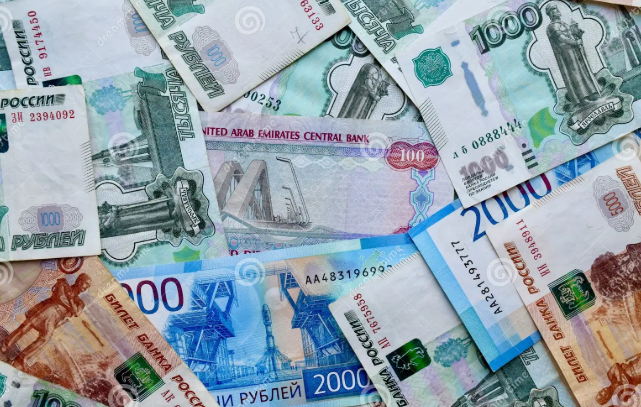
Russia’s own sanctions-driven financial mechanisms, along with uncertainty over future US policy shifts, add additional risk for traders and investors. Finally, the still-limited use of ruble-dirham bilateral settlement keeps many transactions dependent on third-country currencies, raising costs and slowing trade. Balancing ambitious plans to expand UAE-Russia economic cooperation with these compliance, payments, and geopolitical hurdles remains one of the central tasks for both governments and businesses.
Summary: A Partnership Defined by Connectivity and Opportunity
The First Russia-UAE Business Forum is more than an annual meeting; it is a symbol of long-term commitment. With record trade growth, ambitious investment programs, new service-liberalization agreements, and a shared vision for diversified development, Russia and the UAE are building a partnership with global implications. Connectivity in transport, finance, technology, and investment is emerging as the central pillar of this cooperation. As new logistics corridors take shape, as innovation ecosystems merge, and as cross-border capital flows expand, both countries are preparing for a decade of qualitative growth. The message from both sides is clear: Russia and the UAE are ready not only to adapt to the future of the global economy but to shape it. The Dubai forum on December 10 will set the tone and the direction. It will bring together the visionaries, investors, innovators, and decision-makers who will define the next chapter in Eurasian economic integration. This partnership is only just beginning. The corporate question to ask is this: Is your business on board?
This article is written by Ms. Begum, a Dhaka-based independent researcher, international affairs analyst, columnist, and writer. She may be reached at info@russiaspivottoasia.com
Further Reading