
 Русский








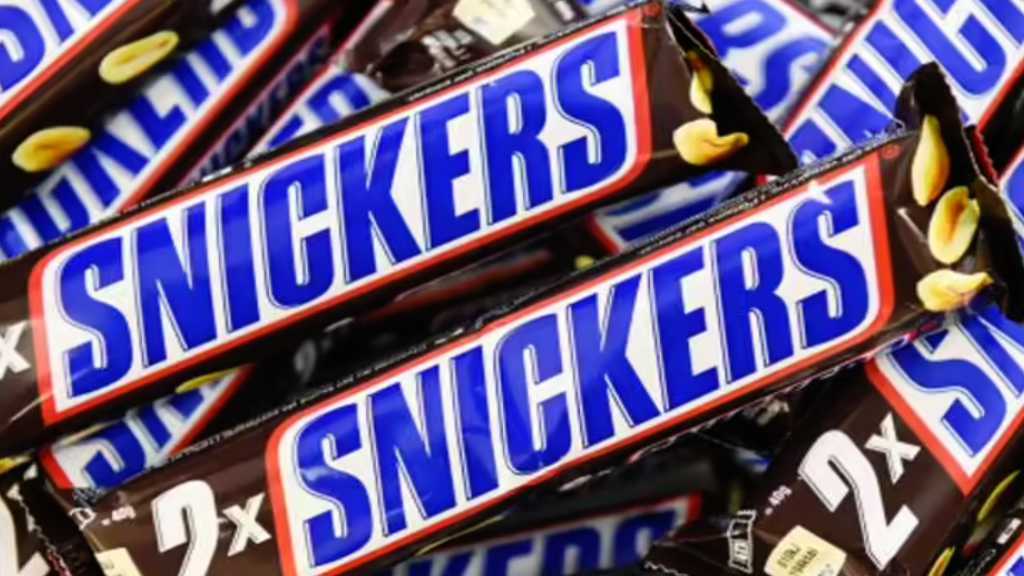

The US company Mars Inc. plans to launch a new workshop with a capacity of nearly 500 tonnes of sweets per day at its production facility in the Stupino district of the Moscow region in 2027, according to the Moscow Region Main Department of State Construction Supervision.
The government stated that “The Mars confectionery factory will be expanded with a new production workshop covering more than 26,000 square metres. ” Lines for producing and packaging chocolate bars and sweets will be located here. An extension will be built to the existing factory in Stupino.”
It is planned that the new building will launch three production lines: two for producing chocolate bars at 216 tonnes per day each and another for sweets with a capacity of up to 67 tonnes per day. Construction will be completed in June 2027. The developer is Mars LLC.
Mars began operating on the Russian market in 1991 with the creation of Master Foods, which sold confectionery products and pet food (M&M’s, Mars, Snickers, Whiskas, Pedigree, and others). In 1995, the company’s first production complex was opened in Stupino, and Master Foods was renamed Mars LLC. The company owns factories in Stupino, Lukhovitsy (Moscow region), Novosibirsk, and the Ulyanovsk region.
Mars is an American multinational manufacturer of confectionery, pet food, and other food products and a provider of animal care services founded in 1911. It is headquartered in Virginia and is entirely owned by the Mars family. Forbes ranks the company as the fourth-largest privately held company in the United States. Mars has sales of about US$45 billion, although it has come under pressure due to rising cocoa prices. Mars would not have invested more into Russia without some assurances from Washington, signalling a relaxing US approach to foreign investment into Russian consumer markets.
According to IMARC Group data on the Russian confectionery market, the market volume reached 4.4 million tonnes in 2025. It is expected to grow to 6.4 million tonnes by 2034, with a compound annual growth rate (CAGR) of 3.89% between 2026 and 2034. The Russian market is growing due to increased domestic production capacity, expanded export opportunities, growing demand for locally produced premium confectionery products, and strategic partnerships with other countries’ governments that are all driving increased regional sales and market presence.