 Русский




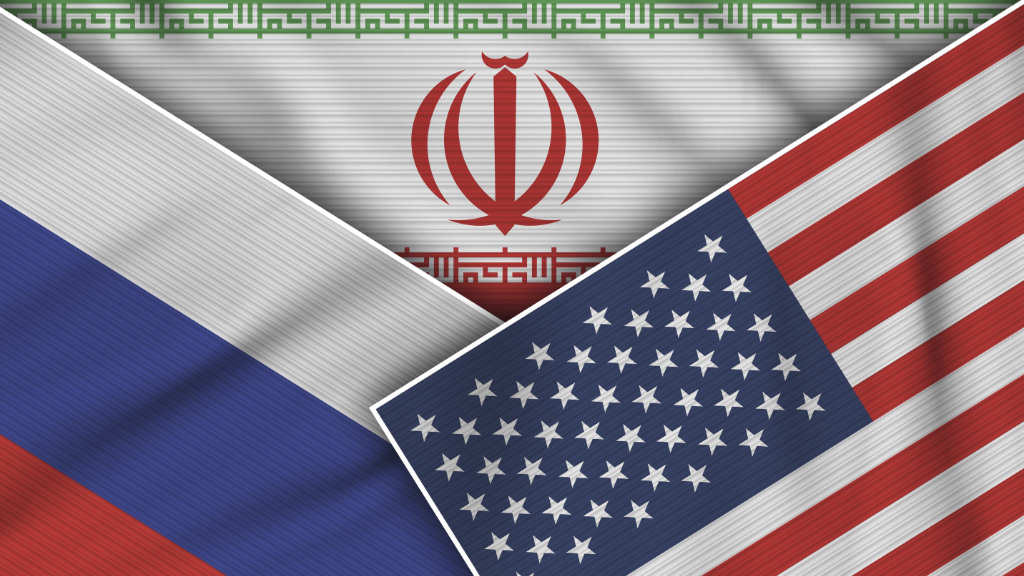

As readers will be well aware from reports elsewhere, the United States, in conjunction with Israel, has attacked Iran. We will make some initial observations, but generally speaking will not be focusing on this conflict (as is also the case with Ukraine) for the following reasons:
- Our focus is on Russia’s economic and trade repositioning towards the global south, not US foreign policy;
- Conflicts are more than adequately covered in other media elsewhere.
We can however make some initial observations as regards the impact of this situation as concerns Russia and the current state of Russia-Iran relations:
The Russia-Iran Comprehensive Strategic Partnership Agreement
Russia and Iran signed a Comprehensive Strategic Partnership Agreement in January 2025 for a 20 year period. The bulk of this document deals with the energy industry, and economic development related to two main issues: working together to deflect Western sanctions, and to enhance bilateral trade through common bilateral interests and Iran’s membership of BRICS. It also includes aspects related to defence and security, however this is limited to the sharing of intelligence, satellite data and joint exercises. There is no ‘mutual defence’ clause within this agreement.
It should be noted that when the United States and Israel previously attacked Iran in June 2025, President Putin expressly noted that Iran had not sought military assistance from Moscow.
The Russia-Iran Free Trade Agreement
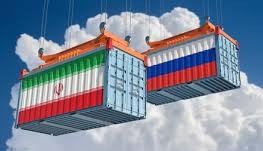
Russia and Iran have a free trade agreement via the Eurasian Economic Union (EAEU), which also includes Iranian trade with Armenia, Belarus, Kazakhstan and Kyrgyzstan. This came into effect in 2022, and reduced tariffs on about 85% of commonly traded goods to zero.
Russia’s bilateral trade with Iran increased to about US$5.3 billion in 2025, growing by about 13% over the year. Russian exports to Iran are dominated by grain and oilseeds counting for over 70% of the trade total. Iranian exports to Russia comprise agricultural products (45%), industrial goods (37%), and petrochemicals. The two countries set a bilateral trade target of US$10 billion by 2030.
Iran and BRICS
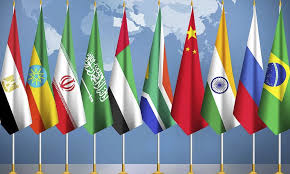
Iran joined the BRICS group as a full member on January 1, 2024, aiming to solidify trade ties with an alternative, non-Western bloc and counter-balance Western sanctions. This is of particular note as concerns primary BRICS member China, which according to Kpler Analytics, purchases an estimated 80% of all Iranian oil production. Iranian trade with BRICS has increased the past two years, although this remains dominated by China. Iran’s non-oil trade with China has also been increasing and reached US$2.5 billion in November 2025, suggesting that trade diversification is taking place. It should be noted that China also has a Comprehensive Strategic Partnership with Iran that is heavily geared towards the energy sector and pricing.
Russian Investments Into Iran
Russian investment in Iran has increased since 2022, and during the 2022–2023 fiscal year, Russia became Iran’s largest foreign investor, contributing US$2.76 billion. This accounted for approximately two-thirds of Iran’s total foreign direct investment (FDI) for that period. (The Iranian fiscal year runs from April-March). Nearly all of this investment has been made into Iran’s energy production sector.
Iranian Energy Reserves, Production & Investment
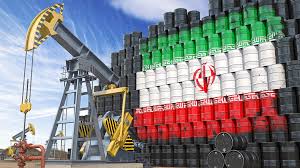
Iran’s proven oil reserves amount to approximately 157 billion barrels, placing it among the top ten globally. Natural gas reserves are even more substantial, surpassing 330 trillion cubic meters—making Iran the 7th largest holder of gas reserves worldwide.
In 2025, Iran’s crude oil production averaged approximately 3.26 million barrels per day (mbpd), marking a significant recovery from previous years despite ongoing international sanctions. By late 2025 and into early 2026, output reached levels between 3.3 mbpd and 3.5 mbpd, solidifying Iran’s position as the third-largest producer within OPEC. As mentioned, of this production, about 80% is delivered to China.
Both Chinese and Russian energy companies are the most active in investing in the Iranian energy sector. Western companies have largely been excluded since the imposition of sanctions upon Iran in 1996.
Iran, Russia & Nuclear Energy
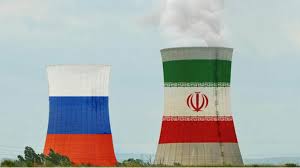
Russia is the world’s largest exporter of developing Nuclear Power Plants, (NPP) which it does so mainly via the state-owned Rosatom. Iran has long had an interest in developing nuclear energy, to wean itself off fossil fuels and to help provide additional capacity for energy exports, for example to neighbouring Pakistan, itself suffering from acute energy deficiencies. Moscow and Tehran have been in numerous discussions concerning the development of nuclear energy, including plans to build up to eight NPP in Iran. Doing so would revolutionise Iran’s industrial and manufacturing capabilities, with the spin off benefits of being able to export excess electricity to Afghanistan and Pakistan.
The official reason for the Israeli attack was information about Iran’s imminent acquisition of nuclear weapons. But Western intelligence services have not recorded any signs that Tehran is working to enrich uranium to a weapons-grade level or is taking steps to create a warhead. In addition, the nuclear power plants built by Rosatom, like most commercial reactors in the world, are designed to use low-enriched uranium (LEU), which in its pure form cannot be used to create a nuclear bomb. Weapons production requires highly enriched uranium (HEU) or certain grades of plutonium.
The United States claimed in June last year that it had ‘obliterated’ Iran’s capability to create nuclear weapons grade material. Meanwhile, Moscow has stated it would be prepared to accept any Iranian stockpiles of enriched uranium it possesses. Iran lacks the reprocessing technology to produce high-grade plutonium.
The issue of Iranian nuclear energy and claims and denials of Iran’s actual nuclear weapons threat and capabilities are highly inconsistent from the United States position, with Presidential advisor Witkoff stating just last week that Iran was ‘a week away’ from being able to construct a bomb – suggesting the White House June statement was either inaccurate or the current attacks are justified by the claims – but actually based upon completely different objectives.
Iran & The International North-South Transportation Corridor
Iran is a key member of the International North-South Transportation Corridor (INSTC), a multimodal, multilateral, developing supply chain that links Russia to markets in the Middle East and beyond. It extends from the massive Russian internal transport network to its Astrakhan Port on the Caspian Sea, traverses this and enters Iran on its northern Caspian Sea Ports. From there, containers are sent via road and rail to Iran’s ports on the Persian Gulf. From here, shipments are made elsewhere, including to other Middle eastern ports, East Africa, Pakistan and India. Routes also pass Iran eastwards to Pakistan and Afghanistan, although these areas are also becoming subject to regional conflict.
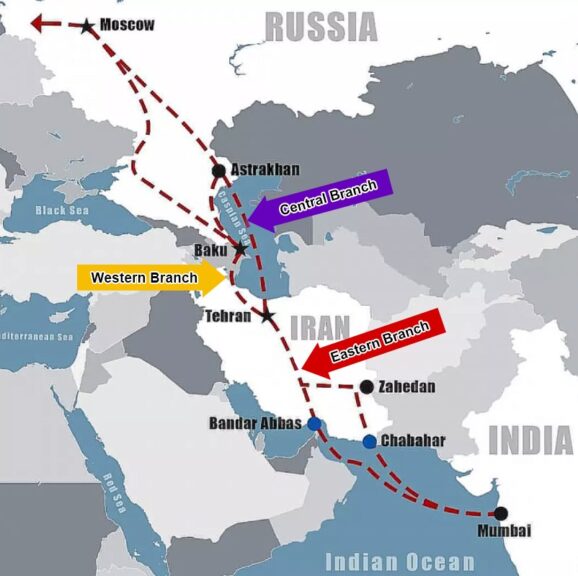
The INSTC route via Iran experienced significant, rapid growth in 2025, driven by a strategic push for alternative trade routes, increased cargo volumes, and major infrastructure advancements, particularly on the Eastern and Western corridors. The route has become a critical, cost-effective alternative to the Suez Canal, offering up to 40% shorter transit times and 30% lower costs.
There are some bottlenecks, not least the Rasht-Astara railway which is hindering rail connectivity from Azerbaijan. Overall, traffic along the INSTC Eastern Route: Russia-Kazakhstan-Turkmenistan-Iran saw cargo traffic almost tripling in 2023–2024 to nearly 2 million tonnes. This trajectory continued in 2025, with India using this route for trade with Central Asia and Russia via Iran’s Bandar Abbas port. It should be noted that in 2024, India Ports Global Limited (IPGL) signed a ten year contract to equip and operate the Shahid Beheshti terminal in Iran’s Chabahar port as this offers India trade routes to Afghanistan and Central Asia, bypassing Pakistan.
In other signs that the INSTC route is becoming a key part of Russia-India bilateral trade, volumes reached a record US$68.7 billion in fiscal year 2024-25, with non-oil trade expanding alongside the dominant energy imports. Key non-oil, non-mineral exports from India to Russia include engineering goods, electronics, pharmaceuticals, and chemicals. Examples of this trade, using the INSTC route can be seen here, here, here ,here and here; Russian trade with Pakistan here, here and here and Russian trade with Iran here, here, here and here.
The INSTC is also being developing as a key link to access East Africa, with Iran’s Persian Gulf Ports being augmented by Russian development in other Middle Eastern ports such as Qatar and Oman.
Iran’s geographical location make it an important, multimodal transport hub for both regional and international trade.
The Strait Of Hormuz
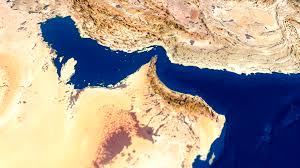
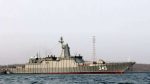
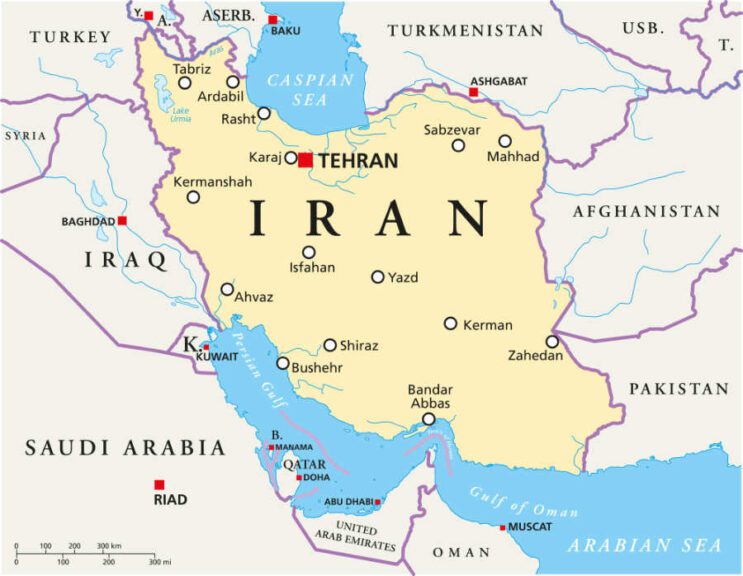
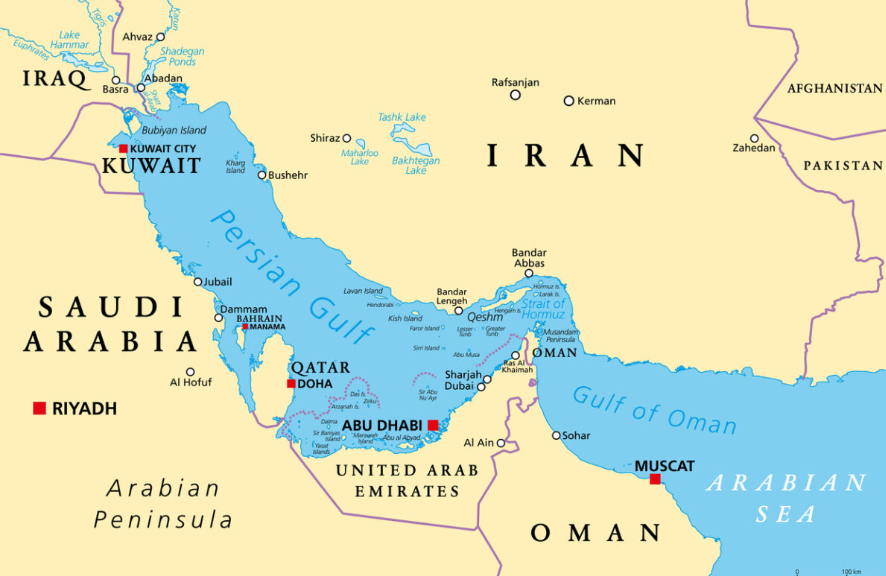
While not all the Strait are Iranian waters, Iran can deploy enough maritime security resources to effectively prevent shipping passing through. We previously discussed the strength of the Iranian Navy here. Closing this route cuts off energy supplies not just from Iran, but also from other regional key suppliers including Iraq, Kuwait, Saudi Arabia and to a lesser degree, the UAE. This is a key issue for Europe, as about 10% of the EU’s gas consumption and 4% of its oil consumption are from these markets. EU energy stockpiles are also currently low after what has been a colder than average winter season. Asia will also be affected – about 67% of its total energy needs are also from the region. China will also be affected, although it has three strategies it can deploy – negotiate with Iran to allow some shipments through, a policy of looking ahead and preparing (meaning it will have stockpiled oil resources for such an event) and crucially, increase shipments from Russia. As will other Asian consumers, regardless of what Western sanctions say. They will not introduce turmoil into their own economies just to support sanctions to support a conflict they have little or nothing to do with.
What happens next is the subject of some conjecture. Global financial markets open on Monday (March 2) and the price of oil will almost certainly increase, with values of US$100 a barrel being suggested. That is considerably more than the US$61 a barrel in January, 25% higher than the US$75 a barrel quoted last week, and way above the EU suggested price cap of US$44.1 per barrel it has imposed on Russian oil. A likely outcome for Russia will be increased demand from its major clients for oil, and rising prices for European consumers. A global two-tiered financial structure is likely to emerge with Russian clients paying less for oil than European clients do – as they will need to import more from the United States to make up any deficits.
Russia meanwhile has discussed, with China as well as with Iran, all possible outcomes and will have prepared for each scenario.
Motivations
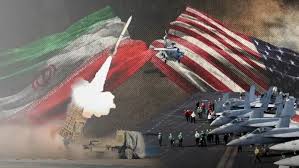
The motivation for the attacks on Iran appear to be less about Iran’s nuclear weapon potential and more about instigating a change of leadership in the country. This will not be the first time that the United States has attempted this. In 1979, the US, together with the United Kingdom, arranged for the Shah of Iran to be deposed after he nationalised their interests in the Iranian energy sector and transferred their shareholdings to the Iranian state-owned energy sector. The resulting coup, instigated by the US and UK resulted in the Iranian revolution and the establishment of the Islamic regime in the country.
Given that the Iranian nuclear issue was apparently dealt with last year, and the fact that the Iranian Supreme Leader, Ali Khamenei appears to have been killed, the situation instead implies the change of leadership as the motivating factor. Western media is concentrating on this angle. That then implies that the Western energy sector is largely behind what is happening. With European energy foreign policy now firmly against Russian oil and gas resources, it would appear that Iran is seen as the solution. That suggests that further military action will be required in order to fully remove the existing Islamic government and install a pro-Western government instead. Such a regime would invite Western energy companies into Iran, sanctions would be lifted and Iranian energy supplies would flow to Europe.
However, this scenario is based on some very serious fault lines:
- Precedence. As noted, this has been attempted before and failed – twice. Attempts at regime change in this manner were undertaken in Iran itself in 1979 and in Afghanistan in 2001. The situations in Palestine and Syria meanwhile remain wholly unsatisfactory.
- China, India and Russia at this moment will support Iran. Although this is likely to be more in the form of military intelligence rather than conflict, their involvement is likely to delay any resolution.
- Resistance. There is likely to be significant Islamic fundamentalism resistance, with Iran possibly able to call upon Islamic mercenary forces elsewhere. This could result in significant bloodshed and the prospect of a long war.
- Initial Conflict Spread. Iran has retaliated and aimed missiles at US bases and assets in neighbouring countries, including Bahrain, Kuwait, Qatar and the United Arab Emirates, as well as Israel.
- Secondary Conflict Spread. There are already serious neighbouring regional issues between Pakistan and Afghanistan which could additionally spill over into Iran. Pakistan possesses nuclear weapons and has laid the blame for its problems with Kabul with India – another nuclear weapons state.
- Ukraine. It is possible that a related issue could be to deliberately deflect attention away from Ukraine and to allow settlement discussions to take place without the need for that conflict to be so much in the media spotlight. We have already noted Ukrainian requests ‘not to be forgotten’ suggesting that some feel a side effect of the Iranian conflict could be an offramp for US involvement in Europe.
Summary
As mentioned, we will not be following the US-Iran conflict as Middle East security and Western foreign policy are not our areas of focus and it is more than adequately (how many sudden experts are there?) covered elsewhere. However, we hope that our analysis of the Russia-Iran axis will help readers understand the issues and risks that are at stake. We also hope that the situation can be peacefully resolved – Moscow, Beijing and Delhi will all be involved behind the scenes in a potential conflict that has the potential to inflict far more damage than the war with Ukraine.