Русский




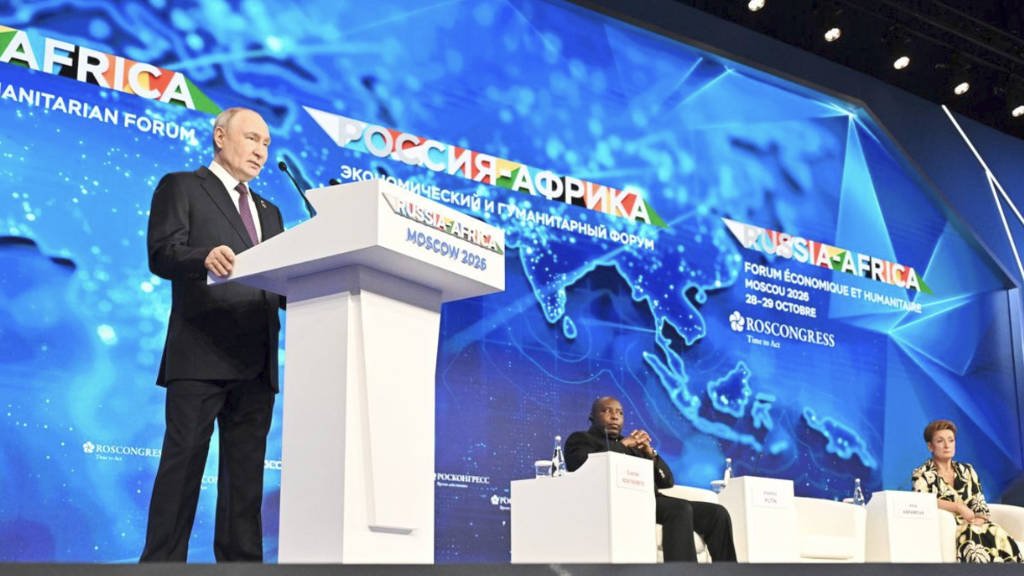
Russia and Africa can expand trade and share technology while reducing dependence on Western financial systems, President Vladimir Putin said at the Russia-Africa Economic and Humanitarian Forum in Moscow on Wednesday (October 28). Speaking alongside Burundian President and African Union chair Evariste Ndayishimiye, Putin proposed closer banking links, called for bilateral trade to at least double, and offered Russian expertise in energy, agriculture, healthcare, and artificial intelligence. Delegations from 48 African countries are attending. These are the key takeaways from Putin’s comments:
Creating An Independent Financial Infrastructure
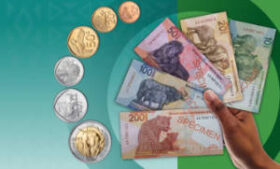
Putin urged Russian and African banks to expand direct ties, open branches in each other’s markets and strengthen payments in national currencies. He proposed greater use of alternatives for exchanging payment information, including the Bank of Russia’s financial messaging system and the pan-African payments system. He said that “These arrangements would lower transaction costs and protect settlements from politicized interference by unfriendly countries.” He said that countries that don’t have their own financial systems end up relying on Western infrastructure, which ultimately limits their sovereignty.
Putin added that the West is resisting the emergence of a multipolar world because they remain accustomed to colonial thinking and growing rich at others’ expense. He said that Western countries are using sanctions, tariffs, economic pressure, and interference to preserve their influence, including attempts to push African countries back into ‘debt bondage’ through predatory lending. Servicing such debts diverts resources from long-term development, Putin said, calling for reforms of the International Monetary Fund and World Bank and a stronger African role in their decision making.
As an aside to this, the African Union launched the Africa Credit Rating Agency (AfCRA) earlier this month to provide independent, credible, and Africa‐focused ratings on African governments and corporate businesses. Previously, the only credit rating agencies assessing African businesses were Western. They have long been accused of exaggerating risks and therefore indirectly imposing higher interest rates on sovereign and corporate debt requirements.
Russia-Africa Trade To Double
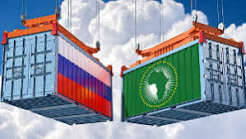
Putin said that Russia-Africa trade exceeded US$27 billion last year, compared with US$18 billion in 2022, calling for the figure to at least double again, and surpass US$50 billion by 2030.
He added that neither unprecedented restrictions against Russia nor Western pressure on African partners have been able to stop economic relations between the two from developing and expressed appreciation for this “firm and principled position from our African friends.”
Putin stated that Russian businesses support local processing, employment and tax revenues rather than engaging in “predatory, neocolonial exploitation” of Africa’s natural resources and people. He said that their investments also support healthcare, education, and environmental projects.
Energy, Transport & Food Security
Russia and African partners are implementing more than 30 energy projects in 16 countries, Putin said, describing affordable and reliable power as essential to industrial development and better living standards.
Putin offered cooperation on hydropower, including modernizing existing plants and supplying remote communities, alongside other energy technologies such as nuclear power plants. Illustrating this, Russia’s Rosatom and Togo’s Energy Ministry have signed an MoU on nuclear energy cooperation. Rosatom chief Aleksey Likhachev said this could include floating nuclear power plants to supply electricity to the West African country.
Putin also stated that Russia had exported 13 million tons of agricultural products to Africa in the first nine months of 2026 with more than 40 African countries receiving Russian grain and fertilizers. However, he stressed that Africa has the potential to feed itself, noting that Moscow is offering seeds, machinery, agricultural technology, storage, and processing infrastructure to help develop that capacity.
Transport proposals also include railways, roads, shipping routes, and logistics hubs, Putin said, inviting African airlines to begin flights to Russia. Russian and Mozambican ministers also signed a road cooperation memorandum and discussed a possible direct shipping route.
Sharing Technology and Medicines
Putin stated that technological independence has become an essential part of sovereignty, pointing to AI, cybersecurity, personal data, and digital infrastructure. Russia is ready to share its expertise, including digital public services and medical technologies. He also announced that Russia’s epidemic-control assistance program for African countries would be extended through 2029.
Under the program, eight countries have already received 15 mobile laboratories and around 450 African specialists have been trained. Russian doctors continue to assist against infections including cholera and the outbreak of a new Ebola strain that began in the spring. Further cooperation could include local production of medicines and vaccines, diagnostic centers, and digital healthcare services.
Scholarships & Youth Exchanges

Putin said that around 40,000 African citizens are currently studying at Russian universities, with enrollment increasing by half since 2020. Scholarship places have nearly tripled over the same period, reaching 5,500 for the 2026–2027 academic year.
He proposed establishing a Russia-African Youth Union to coordinate further exchanges between youth organizations. He also called for Russian news agencies and broadcasters to expand their presence across Africa and said that Moscow would welcome more African correspondents working in Russia.
A Three-Year Action Plan & BRICS Cooperation
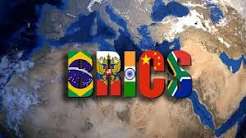
In his closing remarks, Putin stressed that discussions between senior officials alone are insufficient, which is why this year’s forum has been designed to be more accessible and focused on practical opportunities. He said that leaders also intend to adopt a Russia-Africa partnership action plan for 2027–2029 when the summit concludes.
During the plenary session, Burundian President Evariste Ndayishimiye, the current Chair of the African Union, said that Africa wants a greater role in the global economy and partnerships that help transform its resources into prosperity for its population. He said that “We do not want to remain merely exporters of natural resources and then import finished goods” calling for African participation throughout production and trade. He urged for investment in local African processing, technology transfers, and training, alongside energy, agriculture, transport, and infrastructure. He also called for diversified trade, payment systems, and logistical routes connecting Africa with Russia and BRICS.