Русский








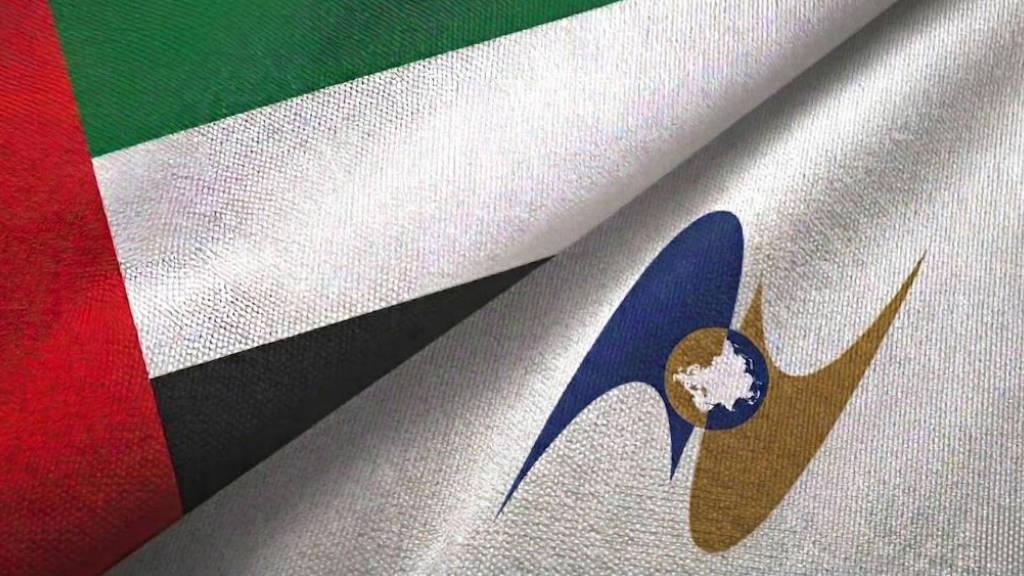

Russia and the United Arab Emirates will now trade duty-free, as the economic partnership agreement establishing a free trade zone between the Eurasian Economic Union (EAEU) and the UAE went into effect on Tuesday (October 6), the Russian Economic Development Ministry has said.
Their statement reads “Beginning from October 6, Russian exporters can ship their goods to the Emirati market duty-free. This includes meat products, fish, dairy products, sunflower oil, fertilizers, certain types of ferrous metal products, mechanical machines and equipment, including farm machinery and motor vehicles.”
The duty-free trade regime applies to 95% of Russian exports, and the average duty for Russian businesses on the UAE market will drop by two thirds to 1.4% from 4%. The ministry added that “This will enable Russian entrepreneurs to save up to ₽9 billion (US$106 million) in duties per year. The agreement simultaneously lays a strong foundation for developing and deepening cooperation in industry, agriculture, transportation, e-commerce and R&D. Realizing the countries’ existing potential in these areas will become a strong support for building qualitatively new value chains. Given the UAE’s unique geographical location, at the crossroads of trade routes between West and East, the agreement will help build modern and resilient transport and logistics routes.”
Eurasian Economic Commission (EEC) Trade Minister Andrei Slepnev said earlier that the annual trade turnover between the EAEU and UAE could grow by at least US$5 billion-US$6 billion after the free trade agreement goes into effect. The EEC’s trade department estimated that the agreement would save EAEU exporters US$266 million in duties in the UAE annually. Other EAEU members include Armenia, Belarus, Kazakhstan and Kyrgyzstan.
The EEC said the deal will grant preferential access to EAEU agricultural goods such as grain (wheat, barley and corn), meat (beef, mutton and by-products), poultry meat, eggs, dried vegetables (chickpeas, peas, lentils and beans), vegetable oil, dairy products, confectionery products, honey, mineral water, jam and chocolate.
In the industrial sector, the concessions will apply to a wide range of metal products, oil products (including light and other distillates), forest products, pulp, printed products, chemical products and a wide range of mechanical equipment, from turbines to certain types of pumps.
The UAE, in turn, will be able to increase exports of a broad range of consumer goods, as well as supply a number of important products that EAEU countries are interested in importing.