Русский








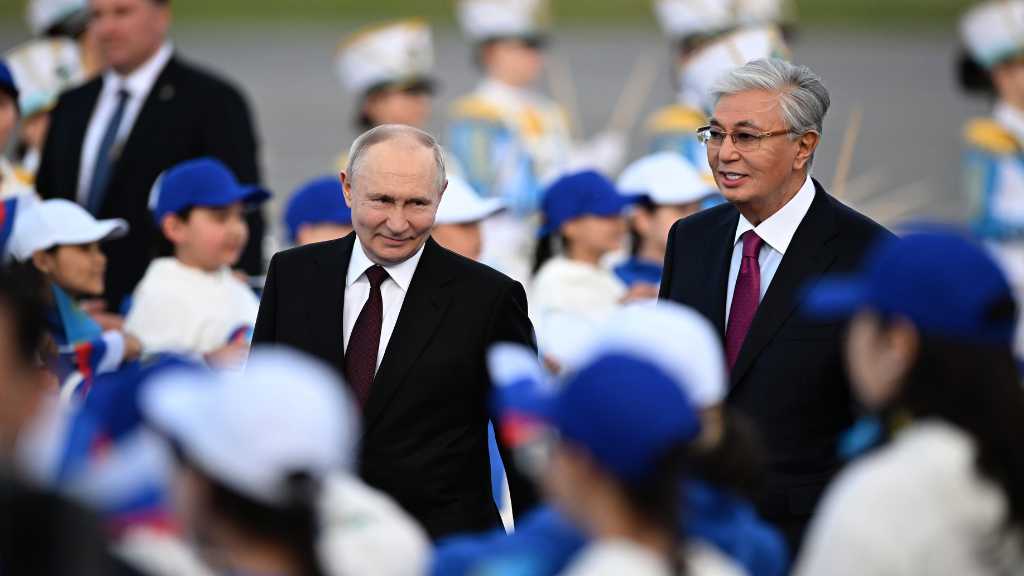

President Vladimir Putin’s state visit to Kazakhstan from May 27 to 29 – immediately after completing his high-profile visit to China – was far more than a bilateral diplomatic engagement. Taken together, the Beijing and Astana visits revealed the contours of a broader Russian strategy aimed at consolidating a new Eurasian economic architecture stretching from Eastern Europe through Russia and Central Asia to China and the wider Asia-Pacific region.
While much international attention continues to focus on geopolitical tensions between Russia and the West and so-called Russia’s diplomatic isolation from the world, Moscow’s actions increasingly indicate that its long-term strategic priority lies in building a continental economic system based on robust diplomacy, high-level exchanges, growing trade and economic ties with the Eurasian and Global South countries, cross-border and cross-continental connectivity, industrial integration, energy infrastructure, technological modernization and financial sovereignty. Within that system, Kazakhstan occupies a unique and indispensable position.
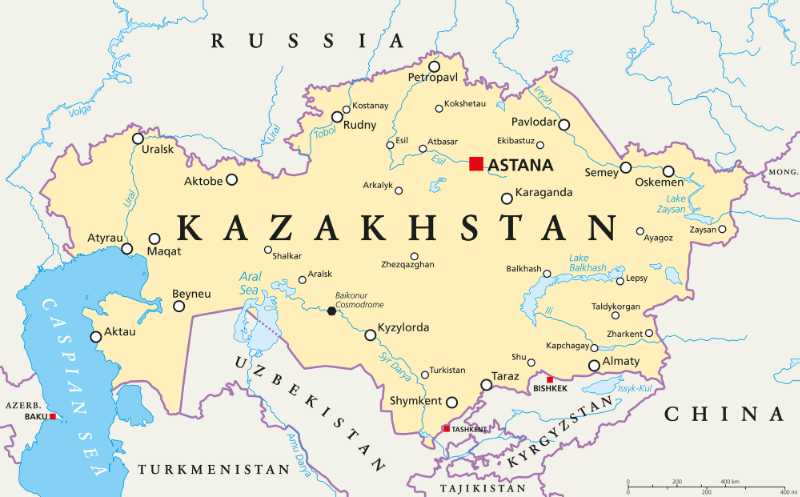
The timing of the visit itself was revealing. Putin’s arrival in Astana immediately after concluding discussions with Chinese leaders was not a coincidence. China and Kazakhstan increasingly represent the two most important external pillars of Russia’s Eurasian strategy. China serves as Russia’s largest trading partner and principal growth market, while Kazakhstan functions as the critical geographic bridge linking Russia with Central Asia, western China, the Caspian region and emerging Eurasian transport corridors. In effect, Kazakhstan sits at the crossroads of every major continental route that Moscow hopes to develop during the coming decades.
This explains why the visit generated such substantial political and economic attention. The three-day visit produced more than ten bilateral agreements (15 cooperation documents), a Joint Statement on the Seven Foundations of Friendship and Good-Neighborliness, a landmark nuclear cooperation framework, new transport initiatives, industrial cooperation commitments and a series of decisions affecting the future trajectory of the Eurasian Economic Union (EAEU). Collectively, these outcomes demonstrated that Russia increasingly seeks influence through infrastructure, investment, technology, industrial cooperation and regional integration rather than through traditional geopolitical instruments alone.
The broader significance of the visit becomes clear when viewed against the evolving structure of Eurasian economics. Global supply chains are shifting. Trade routes are diversifying. Energy markets are undergoing transformation. Artificial intelligence and digital infrastructure are becoming strategic assets. Under these conditions, countries that occupy key geographic and logistical positions gain increasing importance. Kazakhstan’s location between Russia and China, combined with its vast natural resources, transport networks and membership in Eurasian institutions, makes it one of the most strategically valuable states in the emerging Eurasian order.
Key Takeaways From Putin’s Kazakh Media Article
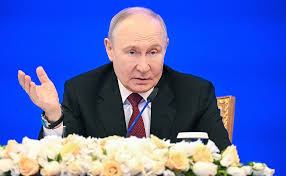
Just ahead of his state visit, Putin published an article titled “Russia-Kazakhstan: Alliance in the Heart of Eurasia“ in the Kazakhstanskaya Pravda newspaper. In his article, the Russian leader outlines his assessment of the current state and future prospects of Russia-Kazakhstan relations, offering several key insights and strategic indications. In his article, Putin presents Russia-Kazakhstan relations as a deeply rooted strategic alliance built on mutual trust, shared history, and expanding economic interdependence. He highlighted strong trade ties increasingly conducted in national currencies, with Russian investments nearing US$30 billion and joint ventures playing a major role in Kazakhstan’s economy.
The partnership spans key sectors including energy through oil transit, gas infrastructure, and nuclear cooperation with Rosatom alongside critical minerals, industrial development, and rapidly growing digital and AI integration. Putin also underscores advances in space cooperation, transport corridors, and logistics connectivity, while emphasizing robust humanitarian and educational links. Framing the relationship within a broader geopolitical context, he positions both countries as active proponents of a multipolar world order through platforms such as the Eurasian Economic Union and other regional institutions.
Three Days in Astana: The Russian Delegation
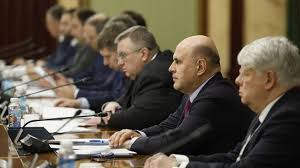
Putin arrived accompanied by one of the largest and most economically focused delegations to travel with him in recent years. The delegation included Deputy Prime Minister Alexei Overchuk, Russia’s chief coordinator for Eurasian Economic Union affairs and regional integration; Presidential Aide Yury Ushakov, one of the Kremlin’s principal foreign policy strategists; Central Bank Governor Elvira Nabiullina, the architect of Russia’s financial stability and national-currency settlement policies; Rosatom Director General Alexei Likhachev, who led negotiations on Kazakhstan’s landmark nuclear power project; Presidential Press Secretary Dmitry Peskov; Economic Development Minister Maxim Reshetnikov; Finance Minister Anton Siluanov; Energy Minister Sergey Tsivilev; Transport Minister Roman Starovoit; and other senior officials responsible for energy, finance, transportation, industrial development, trade, digitalization and Eurasian integration. The delegation was further reinforced by representatives of major Russian state corporations and strategic enterprises, including Rosatom, Russian Railways (RZD), Gazprom, Rosneft, Rostec, Sberbank, VTB and Roscosmos.
The composition of the delegation itself served as a strategic signal: rather than emphasizing security or military issues, Moscow arrived in Astana with the architects of its Eurasian economic strategy, underscoring that the visit was primarily focused on industrial cooperation, transport connectivity, energy diplomacy, technological modernization, financial integration and the long-term construction of a more interconnected Eurasian economic space.
The first day was dedicated largely to preparatory meetings, consultations and coordination between officials. On May 28, the central phase of the visit began with an official welcoming ceremony at the Palace of Independence. Putin and President Kassym-Jomart Tokayev held talks in both narrow and expanded formats, allowing leaders and ministers to review the entire spectrum of bilateral cooperation.
The discussions extended far beyond traditional diplomatic topics. The two leaders reviewed presentations on industrial cooperation projects, digital logistics systems, autonomous freight transportation between Moscow and Astana, educational initiatives such as the Sirius Center for Gifted Children and ecological cooperation programs including the reintroduction of Amur tigers into Kazakhstan. These projects reflected a significant evolution in bilateral relations. Russia-Kazakhstan cooperation is no longer confined to trade and energy. Increasingly, it encompasses education, innovation, digital technology, environmental management and human capital development.
The negotiations were followed by a signing ceremony during which the two countries concluded ten agreements covering nuclear energy, transport, finance, industrial cooperation, education and digital development. Putin and Tokayev also adopted the Joint Statement on the Seven Foundations of Friendship and Good-Neighborliness, which effectively serves as a long-term roadmap for bilateral cooperation.
Later that day, both leaders addressed the media. Their statements emphasized strategic trust, economic integration, industrial cooperation and the importance of Eurasian institutions. The tone of the briefing was notable for its focus on practical outcomes rather than political rhetoric. Trade, investment, industrial projects and infrastructure dominated the discussion.
On May 29, Putin shifted his attention to the Eurasian Economic Forum and the Supreme Eurasian Economic Council. Putin delivered a significant speech at the expanded meeting of the Supreme Eurasian Economic Council. The visit coincided with the 5th Eurasian Economic Forum, held under the theme “The EAEU in the Global Digital Race: Betting on Artificial Intelligence,” drawing nearly 3,000 delegates from 44 countries, including Iran and Cuba. On 29 May, Putin took part in the Supreme Eurasian Economic Council summit, where leaders of the Eurasian Economic Union discussed, in a closed-door format, Armenia’s stated intention to pursue accession to the European Union.
Later, on the eve of concluding his visit, he also answered questions from the media in detail. These meetings and engagements elevated the visit beyond bilateral diplomacy and placed it firmly within the broader context of Eurasian integration. The forum addressed issues ranging from artificial intelligence and technological sovereignty to transport connectivity, industrial policy and financial cooperation. The Supreme Eurasian Economic Council reviewed the progress of the EAEU and adopted decisions aimed at strengthening regional integration. By the conclusion of the visit, it had become clear that Astana was not merely hosting a state visit. It was serving as the focal point for discussions about the future of Eurasia itself.
Russia and Kazakhstan: Economics Over Politics
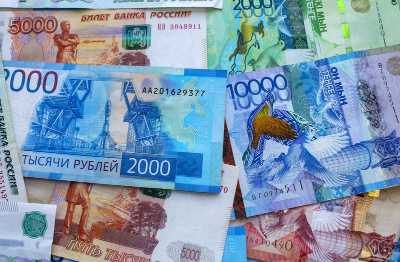
One of the most important conclusions emerging from the visit is that Russia and Kazakhstan are constructing a model of partnership fundamentally different from traditional alliance systems. Rather than focusing primarily on military cooperation or geopolitical alignment, the relationship increasingly rests upon economic interdependence and institutional integration. Russia remains Kazakhstan’s largest trading partner, while Kazakhstan is one of Russia’s most important economic partners within the post-Soviet space. Kazakhstan has long been the economic anchor of Central Asia, a natural partner for Russia, and a gateway to regional markets.
Bilateral trade reached approximately US$28 billion in 2025 and is expected to exceed US$30 billion by 2030, with longer-term goals of increasing this to US$50 billion. Trade growth during Q1 2026 exceeded 9%, reflecting strong momentum across multiple sectors.
Even more important than trade volumes is the depth of investment cooperation. Russian direct investment in Kazakhstan exceeds US$29 billion, while more than 20,000 companies involving Russian capital operate within the Kazakh economy. Thousands of joint ventures function across manufacturing, agriculture, transportation, finance, construction and technology sectors.
The two countries are implementing 177 joint projects. Russia is leading in project volume, particularly in mining, manufacturing, and energy. Combined investment in those projects stands at approximately US$53 billion. Of those, 122 projects have already entered the operational phase. Officials said industrial cooperation is developing across metallurgy, petrochemicals and machine-building. Existing projects include railway switch and wheel manufacturing in Pavlodar region, polypropylene production in Atyrau region, a joint tire plant in Karaganda region and truck component manufacturing in Kostanay region.
Another 24 industrial projects worth around $10billion remain under implementation in chemical production, construction materials and deep raw material processing, with plans to create roughly 11,000 additional jobs. With a population approaching 21 million and the most developed economy in Central Asia, Kazakhstan continues to attract foreign investment. This level of economic integration creates relationships that are significantly more durable than trade alone. Factories, logistics centers, energy facilities and industrial projects generate long-term mutual interests. As a result, Russia-Kazakhstan relations increasingly resemble an integrated economic ecosystem rather than a traditional bilateral partnership.
Tokayev’s multi-vector foreign policy remains an important element of Kazakhstan’s external relations. Astana maintains constructive relations simultaneously with Russia, China, Europe and the United States. Yet Moscow appears increasingly comfortable with this reality because economic interdependence provides a stable foundation for cooperation regardless of broader geopolitical dynamics. This represents an important evolution in Russian thinking. Rather than demanding exclusive geopolitical alignment, Moscow increasingly seeks long-term influence through investment, infrastructure and economic connectivity. Kazakhstan’s proactive business reforms, simplified licensing, streamlined registration, and regulatory improvements have elevated its global Ease of Doing Business ranking to 25th, ahead of Russia, China, and major advanced economies.
Kazakhstan’s unique geographic position, regulatory reforms, and diversified economy offer a platform to overcome Western challenges. To maintain and grow influence, Russian policymakers and businesses are also focusing on high-potential sectors. Mining and industrial manufacturing remain core areas, supported by Kazakhstan’s rich natural resources and existing investment pipelines and infrastructural connectivity projects.
Equally critical are information technology and digital services, where 2,500 Russian firms already operate, signaling a growing demand for software, communications, and technological integration. Trade remains a stable backbone, though competition is rising, necessitating innovative retail, logistics, and distribution strategies. Tools for success include joint ventures with local partners, targeted acquisitions of exiting or consolidating firms, and leveraging Kazakhstan’s incentives for foreign investors. Strategic planning should emphasize long-term market capture rather than short-term gains, ensuring Russian firms remain key players in sectors that underpin the nation’s economic growth. Kazakhstan is not merely a market; it is a strategic asset and particularly in terms of being a conduit to China trade.
Key Takeaways of The Russia-Kazakhstan Summit
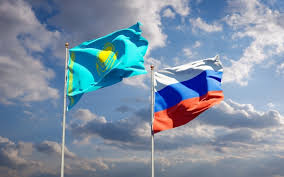
Moscow and Astana signed more than ten documents (15 documents) and adopted a joint statement on seven pillars of friendship of two nations following the One of the most important outcomes of Putin’s visit to Astana was the signing of a package of ten bilateral agreements covering nuclear energy, export-credit financing, industrial cooperation, railway cargo digitalization, financial monitoring, transportation, logistics, digitalization, scientific collaboration, education, investment promotion, and intergovernmental coordination.
The agreements also include a currency swap agreement and a memorandum on combating fraudulent transactions between the two central banks, a transport digitalisation action plan, a health cooperation roadmap, and a nuclear and radiation safety cooperation plan for 2026-2030. While each agreement addressed a specific sector, collectively they form a comprehensive roadmap for the next phase of Russia-Kazakhstan integration. Unlike previous agreements largely focused on trade facilitation and commodity exchange, the new package is designed to deepen technological interdependence, industrial localization, infrastructure development, and innovation cooperation.
The centerpiece of the package was the intergovernmental agreement on the construction of Kazakhstan’s first nuclear power plant, accompanied by financing arrangements and long-term industrial cooperation mechanisms. The sides signed an agreement outlining the main principles and conditions for cooperation on the construction of the facility, along with a separate deal on a Russian state export credit to support financing. Additional agreements focused on expanding transport connectivity, modernizing logistics corridors, increasing digital cooperation, supporting scientific exchanges, strengthening educational partnerships, and facilitating cross-border investment projects. Together, these documents provide institutional support for hundreds of joint ventures already operating across the two economies.
Equally significant was the adoption of the Joint Statement on the Seven Foundations of Friendship and Good-Neighborliness for the 21st Century. It is the most politically significant outcome of the visit as the declaration codifies the principles underpinning bilateral relations, including mutual respect for sovereignty, strategic trust, economic cooperation, humanitarian interaction, cultural diversity, youth engagement, and regional stability. Unlike traditional political declarations, the document creates an institutional framework intended to guide bilateral relations for decades.
In practical terms, the document serves as a long-term political guarantee for businesses and investors by reaffirming that future cooperation will be guided by stability, predictability, and continuity regardless of changing international circumstances. Long-term investments in nuclear energy, transportation corridors, industrial facilities and digital infrastructure require political stability extending beyond individual leadership cycles. The declaration effectively sends a signal to investors that Russia-Kazakhstan cooperation enjoys broad strategic consensus at the highest level and will remain a long-term priority. For Russian investors including Rosatom, Gazprom, Rostec, RZD and Sber, as well as Kazakh investors such as Samruk-Kazyna portfolio companies, the declaration reduces political uncertainty and strengthens confidence in long-term cross-border projects.
For Russian companies such as Rosatom, Gazprom, Rosneft, Lukoil, Transneft, RusHydro, Russian Railways (RZD), Rostec, KAMAZ, Transmashholding, Sber, Yandex, Ozon, Wildberries, VK, Rostelecom, Roscosmos and numerous industrial suppliers, the agreements create a more secure environment for expanding investments and production activities in Kazakhstan. For Kazakhstan’s leading enterprises including KazMunayGas, Kazatomprom, QazaqGaz, KEGOC, Samruk-Energy, Kazakhstan Temir Zholy (KTZ), KTZ Express, Kazakhtelecom, Kaspi.kz, Eurasian Resources Group (ERG), Tau-Ken Samruk, KAZ Minerals, Kazakhstan Gharysh Sapary and hundreds of private industrial firms, the agreements provide greater access to Russian technology, financing, transport infrastructure, manufacturing networks, and the broader Eurasian market.
These ten agreements demonstrate that Russia and Kazakhstan are moving beyond a relationship based primarily on trade toward one based on integrated production chains. Industrial projects increasingly involve Russian capital, technology and equipment working alongside Kazakh resources, labor, infrastructure and market access. This creates mutual economic interests that extend well beyond individual contracts. Factories, transport corridors, power plants, digital platforms, research centers and educational institutions generate long-term cooperation lasting decades rather than years.
The agreements also send a broader signal to businesses throughout the Eurasian Economic Union. Moscow and Astana are effectively creating a framework for a common economic and technological space stretching across Eurasia. Through harmonized regulations, integrated logistics networks, coordinated industrial policies and expanded investment cooperation, both governments aim to reduce transaction costs and improve competitiveness for companies operating across the region. As a result, the package signed in Astana should be viewed not merely as a collection of bilateral agreements but as a strategic blueprint for the next stage of Eurasian economic integration, with potentially far-reaching implications for energy, manufacturing, transport, technology, finance, education and infrastructure development throughout the coming decade.
The Nuclear Power Partnership: Creating a Multi-Billion-Dollar Industrial Ecosystem
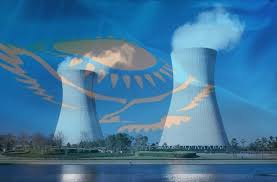
Among all agreements signed during the visit, the intergovernmental agreement on Kazakhstan’s first nuclear power plant near Balkhash may prove the most transformative. The project, expected to be led by Rosatom using VVER-1200 reactors, is estimated at costing about US$15 billion and could become one of the largest industrial projects in Central Asia. The significance extends far beyond electricity generation. Putin emphasized that Russia is helping Kazakhstan establish an entire nuclear industry ecosystem. Russian companies connected to Rosatom-including reactor designers, engineering firms, turbine manufacturers, fuel suppliers, automation companies, construction contractors and research institutes are expected to participate throughout the project lifecycle.
For Kazakhstan, the project creates opportunities for Kazatomprom, local engineering firms, construction companies, metallurgy producers, technical universities and specialized service providers. Since Kazakhstan produces more than 40 percent of global uranium supplies, the project further deepens cooperation between Rosatom and Kazatomprom across uranium mining, fuel fabrication, enrichment and advanced nuclear technologies. The broader economic effect is the creation of thousands of highly skilled jobs and a new high-technology sector spanning education, engineering, industrial manufacturing, scientific research, maintenance services and advanced materials production. The project therefore represents not simply an energy investment but a long-term industrial transformation strategy.
Energy Integration Strengthens the Eurasian Energy Architecture
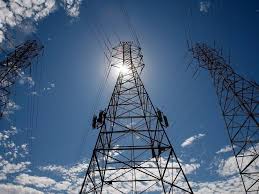
Energy remains the backbone of Russia-Kazakhstan economic relations. The talks reaffirmed cooperation across oil, gas, electricity, nuclear power and hydropower. Russian energy giants Gazprom, Rosneft, Lukoil, Transneft, Inter RAO and RusHydro stand to benefit from growing regional energy integration. Kazakhstan’s national energy champions including KazMunayGas, QazaqGaz, KEGOC and Samruk-Energy gain improved access to export routes, energy infrastructure and regional electricity markets.
Kazakhstan continues to rely heavily on Russian transit infrastructure for oil exports, while Russian gas supplies support northern Kazakhstan and facilitate broader regional energy cooperation involving Uzbekistan and Kyrgyzstan. New electricity interconnections and hydropower initiatives create opportunities for engineering firms, turbine manufacturers, transmission companies, pipeline operators and industrial service providers. The agreements effectively strengthen the foundation of a Eurasian energy network linking Russia, Central Asia and Asian markets.
Strategic Minerals Cooperation
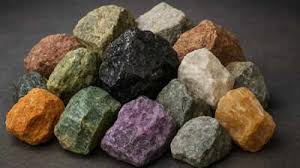
One of the most commercially important developments concerned cooperation in critical minerals and rare-earth resources. Putin specifically highlighted growing cooperation in lithium, tungsten, molybdenum and other strategic minerals essential for electric vehicles, batteries, semiconductors, aerospace systems and renewable energy technologies. Kazakhstan’s resource base combined with Russia’s industrial processing capabilities creates significant opportunities for vertically integrated supply chains. Companies positioned to benefit include Kazatomprom, ERG, Tau-Ken Samruk, KAZ Minerals, Norilsk Nickel, Rostec, Rosatom’s mining subsidiaries and numerous metallurgy enterprises.
This strategic significance extends beyond mining. Both governments appear increasingly focused on moving up the value chain by developing mineral processing, battery manufacturing, advanced metallurgy and technology production. This could transform Eurasia from a supplier of raw materials into a producer of higher-value industrial goods.
The Russia-Kazakhstan Currency Swap
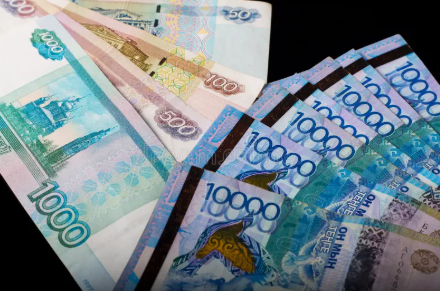
Analysts also noted that the Ruble-Tenge currency swap agreement reflects a calculated response to the shared vulnerability both economies face from dollar-denominated trade under sanctions pressure. By institutionalizing a bilateral settlement mechanism that bypasses the US dollar and SWIFT infrastructure, Moscow and Astana are embedding financial insulation into their economic relationship while reducing transaction frictions. This aligns with Russia’s broader strategy, advanced through the EAEU, BRICS financial initiatives, and bilateral arrangements to dilute Western financial leverage over partner economies. For Kazakhstan, the arrangement serves a dual function: it sustains high-volume trade with its largest partner while mitigating exposure to secondary sanctions risk, a concern that has become materially more acute since 2022 Ukraine conflict, particularly for banks and export-oriented sectors operating in cross-border payments.
Transport Corridors Become the Economic Arteries of Eurasia
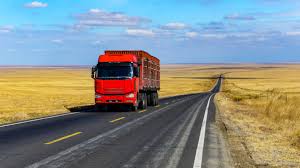
Transport and logistics emerged as one of the strongest themes of the summit. Putin and Tokayev emphasized that Russia and Kazakhstan occupy the central geographic position connecting North-South and East-West trade routes across Eurasia. Cargo transportation between the two countries reached approximately 92 million tonnes last year. New agreements between Russian Railways (RZD) and Kazakhstan Temir Zholy focus on digital freight systems, customs modernization, logistics integration and capacity expansion.
Companies positioned to benefit include RZD, KTZ, UTLC ERA, FESCO, Globaltrans, TransContainer, KTZ Express and numerous logistics operators. A central focus of the summit’s economic agenda was advancing the INSTC, which Vladimir Putin identified as a priority, with Kazakhstan positioned as the indispensable eastern transit hub linking Russia to Iran, the Persian Gulf, and onward to India making Moscow’s ability to operationalise the corridor as a sanctions-resilient trade artery heavily dependent on Astana’s sustained cooperation.
Kazakhstan and Russia have completed their first cross-border autonomous freight pilot along the 3,000-km Astana-Moscow corridor, covering the distance in approximately two days, more than twice as fast as conventional trucking. Implemented jointly by the two countries’ transport ministries and KAMAZ, the project involved simultaneous operations in both directions, with certain segments driven autonomously across both territories. The trial tested key systems including route connectivity, digital road model accuracy, and vehicle performance in low or no communication conditions.
Officials view the initiative as an initial step toward harmonizing autonomous transport regulations within the Eurasian Economic Union and scaling up driverless logistics across international corridors, alongside broader plans to develop supporting infrastructure and institutional frameworks. The launch of autonomous freight truck operations between Moscow and Astana represents an early example of next-generation transportation systems being deployed across Eurasian corridors. For industrial park developers, warehouse operators, customs service providers, logistics technology firms and freight companies, the agreements signal sustained growth opportunities as Eurasian trade volumes continue expanding.
Digital Economy and Artificial Intelligence Become New Integration Drivers

A notable feature of the talks was the emphasis placed on digital transformation and artificial intelligence. Putin argued that the next phase of Eurasian integration should be driven by technology-intensive sectors rather than solely by natural resources. Russian technology leaders including Sber, Yandex, VK, Ozon, Wildberries and Rostelecom are increasingly expanding their presence across Eurasian markets. Kazakhstan’s digital ecosystem, represented by Kazakhtelecom, Kaspi.kz, Astana Hub startups and emerging AI firms, stands to gain from greater cooperation in cloud infrastructure, AI platforms, data centers and digital services. The joint statements suggested that future cooperation could extend into sovereign AI development, fintech, cybersecurity, smart logistics, digital government systems and industrial automation. For technology companies and investors, this represents one of the fastest-growing areas of bilateral cooperation.
Manufacturing Integration Creates a Shared Production Space
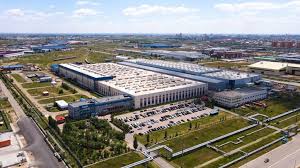
Perhaps the most important long-term trend highlighted during the visit is the transition from trade-based relations toward integrated industrial production. Putin noted expanding cooperation in automobile manufacturing, agricultural machinery, fertilizers, chemicals and machine building. Russian manufacturers including KAMAZ, GAZ Group, Ural, Rostselmash, Transmashholding and various industrial equipment producers are expanding partnerships with Kazakh manufacturing clusters.
Kazakhstan’s industrial zones increasingly function as joint production platforms serving both domestic and wider Eurasian markets. The 177 joint projects currently under implementation demonstrate that Russia and Kazakhstan are constructing interconnected manufacturing networks rather than merely exchanging finished goods. This creates opportunities for suppliers, metallurgy companies, chemical producers, component manufacturers, engineering firms and industrial technology providers throughout the Eurasian Economic Union.
Baikonur and Baiterek Expand the Eurasian Space Economy
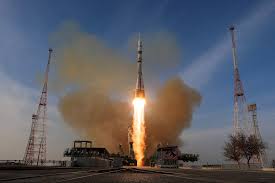
Space cooperation remains another strategic pillar of bilateral relations. Both presidents emphasized the importance of the Baikonur Cosmodrome and the Baiterek launch complex project. The successful advancement of the Soyuz-5 program positions Roscosmos, Kazakhstan Gharysh Sapary and associated aerospace contractors to expand their role in global launch services and satellite markets. Beyond rocket launches, the agreements create opportunities for telecommunications providers, satellite operators, advanced manufacturers, research institutions, aerospace engineers and technology startups participating in the broader space economy.
Human Capital Development Supports Long-Term Competitiveness
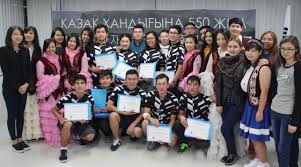
The two Presidents emphasized that future competitiveness depends on education, science and workforce development. The expansion of Sirius educational projects in Astana and Almaty, together with growing university cooperation, reflects a strategic effort to develop highly skilled personnel for future industries. More than 60,000 Kazakh students currently study in Russia. Joint programs involving universities, technology parks, research institutions and innovation hubs are expected to support sectors ranging from nuclear energy and aerospace to AI and advanced manufacturing. For businesses, human capital development is not merely a social initiative but an economic investment that supports long-term industrial competitiveness.
The Russia-Kazakhstan-China Triangle
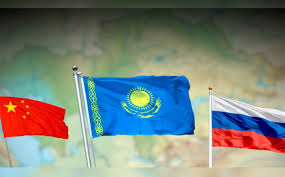
Putin’s visits to China and Kazakhstan should be viewed as interconnected elements of a broader strategy rather than separate diplomatic events. Together, they highlight the emergence of a Russia-Kazakhstan-China economic triangle that increasingly shapes Eurasian development. Russia contributes resources, industrial capacity and advanced technologies. Kazakhstan contributes geography, transit infrastructure and natural resources.
China contributes demand, capital and manufacturing capacity. Discussions during the Putin’s Kazakhstan visit included a proposed gas pipeline capable of transporting up to 35 billion cubic meters annually through Kazakhstan to China. Such a project would transform Kazakhstan into a critical transit state while strengthening economic interdependence among all three countries. Rail transport, energy corridors, industrial projects and logistics infrastructure already connect the three economies. The result is the gradual emergence of a continental economic system in which each participant performs complementary functions. This dynamic represents one of the most important structural changes occurring across Eurasia today.
This structure is increasingly reinforced by concrete infrastructure and policy discussions, including Kazakhstan’s Energy Ministry confirmation that transit options for a Russia-Kazakhstan-China gas pipeline are actively under study, alongside parallel development of the Ishim-Astana gas pipeline and ongoing coordination with Gazprom on export, transport, and domestic gasification projects. Although competing routes such as Power of Siberia 2 via Mongolia have complicated the outlook, recent statements from Russian officials, including proposals for up to 35 bcm annual capacity through East Kazakhstan, show that the corridor remains strategically viable. At the same time, energy cooperation is already deepening through oil transit arrangements, such as Rosneft’s additional supply of 2.5 million tons of oil to China via Kazakhstan, while rail and logistics integration led by Kazakhstan Temir Zholy and Russian Railways is rapidly increasing freight capacity and digital connectivity across Eurasian corridors. Taken together, these developments demonstrate that the triangle is not a formal alliance but an increasingly functional system of energy flows, transport networks, and industrial interdependence that is steadily reshaping Eurasian economic geography.
The Eurasian Economic Forum and Supreme Eurasian Economic Council Meetings
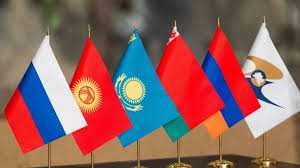
The agreements, joint statements, and the Seven Foundations Declaration, the Eurasian Economic Forum and the Supreme Eurasian Economic Council meeting reveal a broader strategic objective: Russia and Kazakhstan are increasingly building an integrated economic ecosystem rather than a traditional bilateral relationship. The partnership now spans nuclear energy, oil and gas, critical minerals, transport corridors, manufacturing, artificial intelligence, digital platforms, space technology, logistics, and education.
The plenary session of the Eurasian Economic Forum, the expanded meeting of the Supreme Eurasian Economic Council, and President Putin’s media briefing collectively highlight a major shift in Eurasian integration from traditional economic coordination toward a deeply interconnected, technology-driven regional system. The restricted-format discussion of Armenia’s EU accession plans at the Eurasian Economic Union summit represents the most politically sensitive item on the Astana agenda. In the run-up to Armenia’s decisive 7 June elections, leaders of the Eurasian Economic Union warned that Yerevan’s EU accession plans pose “serious risks” to the bloc’s economic security, urging a national referendum to determine its strategic alignment between the European Union and the Moscow-led framework.
Major Russian corporations including Rosatom, Gazprom, Rosneft, Lukoil, Rostec, RZD, Sber, Yandex, Ozon, Wildberries and Roscosmos and Kazakh champions such as KazMunayGas, Kazatomprom, KTZ, QazaqGaz, KEGOC, Kazakhtelecom, Kaspi.kz, ERG, Tau-Ken Samruk and KAZ Minerals emerge as the principal corporate beneficiaries. The broader significance of the Astana talks is that they signal the emergence of a more integrated Eurasian economic space based on production, infrastructure, technology and investment. Rather than focusing solely on political alignment, Moscow and Astana appear increasingly committed to building long-term economic interdependence capable of sustaining growth, stability and competitiveness across Eurasia for decades to come.
Eurasian Economic Forum: Technology as the Next Stage of Integration

Discussing the Eurasian Economic Forum, Putin articulated a vision for the future of Eurasian development centered on technology and innovation. He argued that future competitiveness must derive from artificial intelligence, advanced manufacturing, digitalization and high-value production rather than simple dependence on raw materials.
This message reflects a broader evolution in Eurasian integration. The first phase focused on removing trade barriers. The second emphasized expanding commerce. The third increasingly focuses on technological sovereignty and innovation. Artificial intelligence occupied a prominent place in the discussions. Putin emphasized the importance of developing indigenous technological capabilities capable of supporting long-term economic growth. The forum also addressed digital logistics, electronic documentation, autonomous transportation systems and industrial modernization. These issues highlight how Eurasian integration increasingly encompasses technology policy alongside traditional economic coordination.
During the Supreme Eurasian Economic Council meeting, Putin noted that the EAEU has established functioning common markets for goods, services, labor and capital. Industrial production across the union increased by 1.6%, agricultural production grew by 4.6% and construction activity expanded by 4.2%. These are higher growth rates than the European Union is currently achieving. Meanwhile, intra-EAEU trade reached approximately US$95 billion.
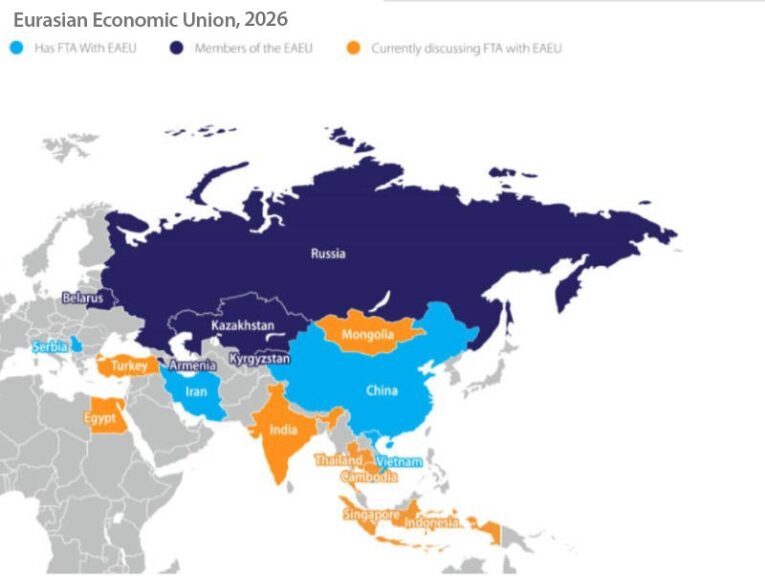
Nearly all transactions among member states – Armenia, Belarus, Kazakhstan, Kyrgyzstan and Tajikistan – the geographic space between eastern Europe and Western China – are now conducted in national currencies. This development strengthens financial sovereignty and reduces exposure to external economic disruptions. The EAEU is also expanding mechanisms for industrial financing. Preferential lending programs support joint manufacturing projects and cross-border investments, helping create integrated value chains across the union. These developments suggest that the EAEU is evolving beyond its origins as a customs union. Increasingly, it functions as a development institution supporting industrialization, innovation and regional investment.
Summary
The most important outcome of Putin’s Kazakhstan visit was the demonstration that Eurasian integration is becoming increasingly institutionalized through infrastructure, industry, finance, energy, technology and education. The ten agreements signed in Astana, the Seven Foundations declaration, the nuclear project, the US$53 billion industrial portfolio, the proposed gas corridor, the autonomous freight route, the EAEU decisions and the emphasis on technological sovereignty all point toward the same conclusion. Russia is increasingly pursuing influence through connectivity rather than confrontation, through integration rather than dependency and through long-term economic cooperation rather than short-term political arrangements.
Within this strategy, Kazakhstan occupies a uniquely important position. It connects Russia to China, links Europe and Asia, hosts critical transport corridors, participates in major integration institutions and serves as a bridge between multiple economic regions. The Astana visit therefore revealed something larger than the state of Russia-Kazakhstan relations. It revealed the gradual emergence of a new Eurasian economic core built around infrastructure, industrial cooperation, technological modernization and continental connectivity. As global economic geography continues to evolve, the agreements reached in Astana may be seen as foundational building blocks of a more integrated Eurasian century.
This article was written by Ms. Khatun, an expert in Russia-Central Asian affairs. She may be reached at info@russiaspivottoasia.com