
 Русский




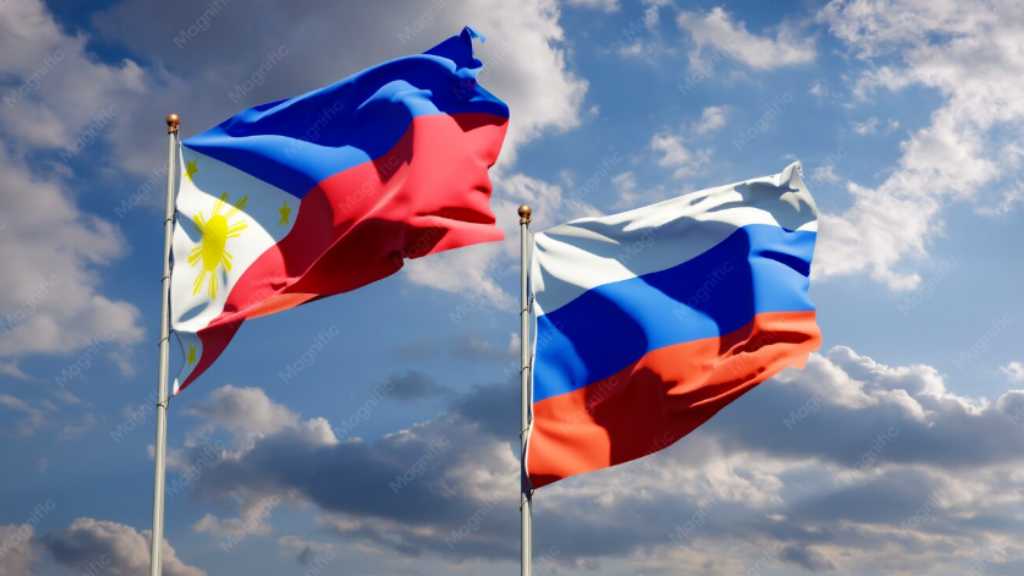

On May 27, Sergey Lavrov, Minister of Foreign Affairs of the Russian Federation, had a telephone conversation with Maria Teresa Lazaro, Minister of Foreign Affairs of the Republic of the Philippines.
On the eve of the 50th anniversary of Russian-Philippine diplomatic relations, celebrated on June 2, the parties expressed their intention to deepen constructive dialogue and practical cooperation between the two countries.
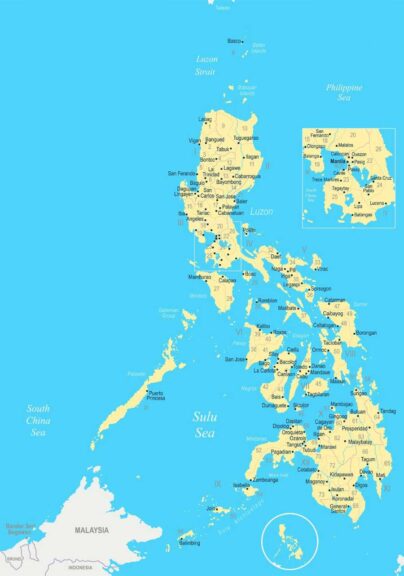
Compared to other Southeast Asian countries such as Vietnam or Thailand, Russia and the Philippines are only forming stable trade and logistics ties. The volume of bilateral trade between Russia and the Philippines remains modest: in January–July 2025, it amounted to $54 million. Exports from Russia to the Philippines totaled about $24 million, while imports from the Philippines to Russia totaled $30 million.
In recent years, bilateral relations between Russia and the Philippines have been undergoing an active renewal. Work is underway to improve the legal framework, expand trade, and launch joint projects in the energy sector, agro-industrial complex, pharmaceuticals, and digital technologies.
According to Artem Tsinamdzgvrishvili, Trade Representative of the Russian Federation in the Republic of the Philippines, energy, agriculture, pharmaceuticals, and digital technologies remain the priority areas of bilateral cooperation.
Energy industry
The Philippines is interested in Russian supplies of liquefied natural gas (LNG) and Rosatom’s small modular reactor (SMR) technologies. Russian LNG can help strengthen the energy security of the country’s island regions and smooth out seasonal load peaks. At the same time, Russian SMRs are seen as a competitive solution for decentralized energy systems, which opens up opportunities for long-term technological cooperation. The prospects for cooperation between the parties cover a wide range of areas, from renewable energy and nuclear energy to digital and infrastructural solutions that ensure the sustainable development of the energy sector.
Agricultural industry
In April of this year, an official Philippine delegation from several competent departments of the country visited Russia. It included Acting Director of the Bureau of Animal Husbandry of the Ministry of Agriculture of the country Christian Paduit Dakigan, Acting Executive Director of the National Meat Inspection Service Lontok Nuestro Fernando, and Director of the Philippine Meat Processors Association Cesar Buhai Ambalada. The Russian side was represented by Sergey Dankvert, head of the Rosselkhoznadzor, and Sergey Yushin, head of the National Meat Association. The parties outlined important vectors of cooperation in trade, the veterinary industry, and attracting new personnel.
One of the main topics of the meetings was the issue of Russian meat supplies to the Philippine market, in particular pork. According to Cesar Ambalada’s calculations, Russian exporters of this meat can become key suppliers of pork to the Philippine market and import about 100-120 thousand tons annually. Ambalada clarified that this is 10% of the total supplies to the Asian country. The head of the National Meat Association, Sergey Yushin, said that the Russian Federation could reach such volumes of supplies within 2-3 years. This year, he estimates shipments at no less than 30-40 thousand tons.
Sergey Dankvert recalled that the Philippines annually buys over 1.5 million tons of various types of meat. For its part, the Philippines proposed to use a systematic certification model to facilitate sales, that is, the accreditation of the entire product control system without inspection of each individual plant. As Cesar Ambalada explained, this will allow all Russian exporters to be accredited automatically.
In addition to meat products, the export of Russian wheat and other grains remains a promising area, which can strengthen the food security of the Philippines.
Pharmaceuticals
In recent years, the supply of Russian medical products and equipment to the Philippines has been actively growing. In 2022-2024, 13 Russian drugs were registered on the country’s market, mainly anticancer drugs and immunomodulators.
Interdepartmental consultations are underway between the Food and Drug Administration under the Ministry of Health of the Republic of the Philippines and the State Institute of Medicines and Medical Devices to accelerate the registration and mutual recognition of GMP standards. This will create conditions for expanding the presence of Russian manufacturers in the Philippine market, including the supply of radioactive pharmaceuticals for the diagnosis and treatment of cancer.
Digital technologies and innovations
A significant step in the development of technological cooperation between Russia and the Philippines was the signing on September 17, 2025, on the sidelines of the Intergovernmental Commission, of a Memorandum of Understanding between the Skolkovo Foundation and the National Development Corporation of the Republic of the Philippines (NDC).
The document became the first interstate agreement in the field of high technologies and laid the foundation for the formation of a permanent platform for interaction between the innovative ecosystems of the two countries.
The Philippine Innovation Hub, which is being created, will become a platform for Russian ICT companies to enter the Philippine market and promote solutions in the fields of fintech, logistics, education, agricultural technology, cybersecurity, and smart cities.
The 50th anniversary of the establishment of diplomatic relations between Russia and the Philippines coincides with the Philippines’ chairmanship in ASEAN, which creates unique opportunities for expanding economic dialogue and strengthening cooperation between the two countries.