 Русский








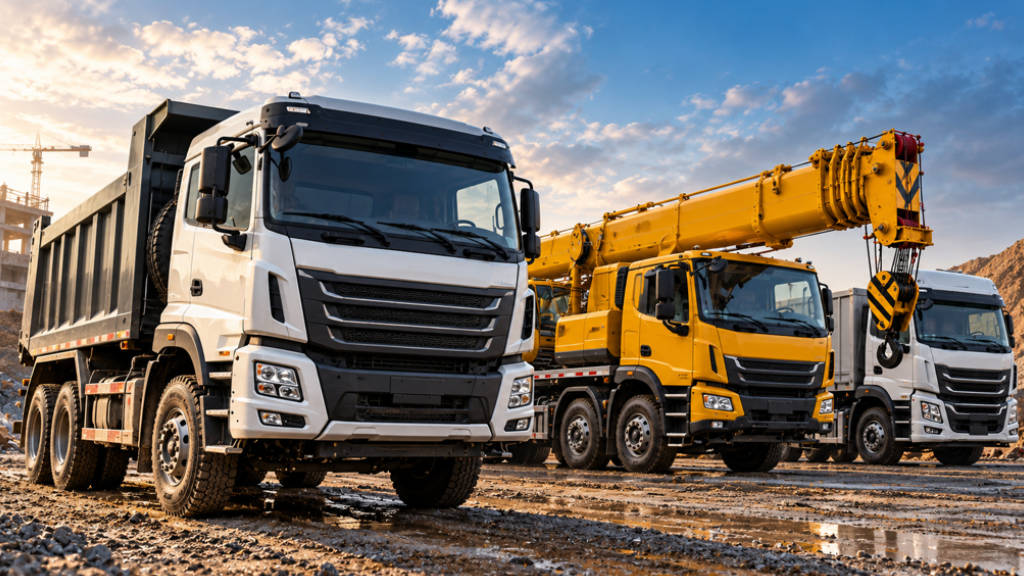

Rosstandart has restricted the release of a number of Chinese trucks, special-purpose vehicles, and specialized vehicles into circulation in Russia. The decision was made following on-site, spot-check inspections by Russian officials.
The restrictions apply to the Dongfeng DFRZ-35, Foton 77N5BJ, XCMG XCT50G5-1S and XCA200G7-1S, and JAC K7. Similar measures have been taken against special and specialized vehicles such as the JAC-based 77ADJL, KIA-based SE27, SHACMAN-based TD-001, FAW-based N382a-A2, and FORD-based KFN332.
Rosstandart emphasized that the release of this equipment into circulation within the country is prohibited. Representative offices and manufacturers have already notified the agency that they will suspend sales of products found to be in violation.
Inspections revealed non-compliance with requirements for braking systems, visible pollutant emissions, and the safety of external protrusions. Complaints also arose regarding seat belt anchor points, cabin safety features, emergency call devices, and external and internal noise.
Violations were found in the vehicles’ lighting systems, side and rear impact protection devices. Rosstandart noted that such deficiencies could increase the risk of accidents, as well as serious injuries and fatalities.
Manufacturers’ representatives have been ordered to develop damage prevention programs. These must address violations in both existing N3 and N3G vehicles, as well as in vehicles yet to be sold.
Once the programs are approved by Rosstandart, the specific VIN numbers of the vehicles affected by the recall will be determined. Dealers must contact their owners and inform them where and when the identified defects can be repaired free of charge.
Until the violations are rectified, the sale of the restricted equipment is suspended. Violation of this requirement will result in administrative penalties.
In related news, the sale of electric and hybrid cars in Russia doubled in the first nine months of the year, reaching 98,700 vehicles. Their share of the automotive market increased from 5.1% to 9.2%, while sales of domestic models increased by almost a third, reaching 28,000 units.
Hybrids accounted for the bulk of the growth, while sales of pure electric vehicles increased by only 7.9% in the first half of the year. The spread of electric vehicles is being hampered by climate change, a shortage of charging stations, and difficulties installing them near apartment buildings, meaning hybrid models are currently better suited to Russian conditions.