
 Русский





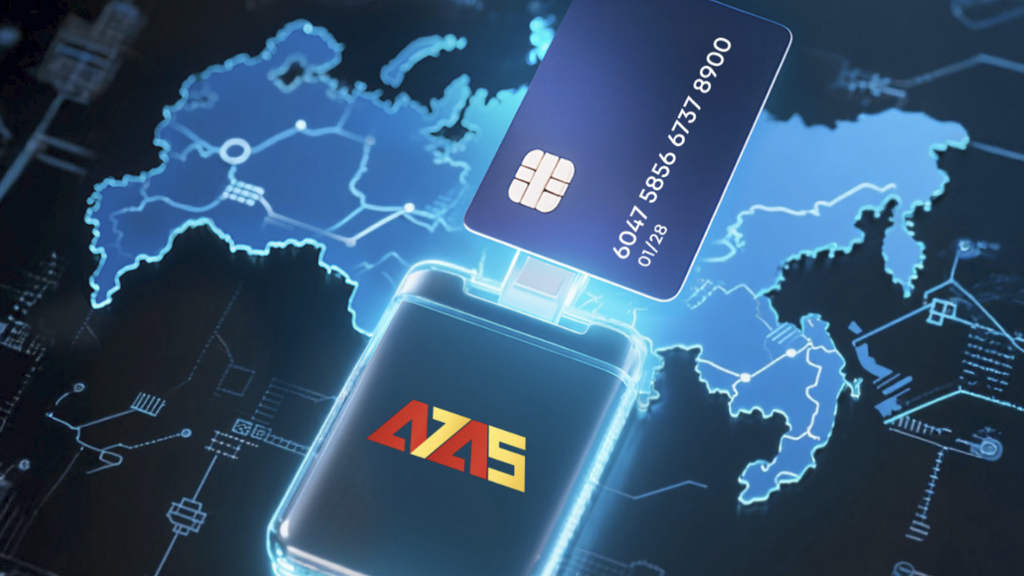

Russia has created the largest stablecoin not pegged to the US dollar through its A7 cross-border payment system, according to Pyotr Fradkov, the chairman of Russia’s Promsvyazbank (PSB).
PSB launched the A7 in October 2024 in response to the US and EU sanctions imposed on Russia, including the disconnection of almost all of the country’s banks from the SWIFT international settlement network. The domestic payment system now services 2,000 money transfers on a daily basis and already handles about 20% of all foreign transactions by Russian companies.
A stablecoin is a type of cryptocurrency that aims to maintain a consistent value relative to a specified asset. A7A5 is tied to the Russian ruble at a one-to-one ratio.
Fradkov said earlier this week that “PBS takes great pride in A7 becoming the first to issue a stablecoin tied to the ruble after making A7A5 available to its customers in September 2025. This is a small piece of the global stablecoin market, but it is the largest non-dollar stablecoin. The turnover of A7A5 since its inception has reached nearly US$140 billion. The total capitalization of all stablecoins is estimated at around US$312 billion. About 99% of that is linked to dollar-denominated instruments. Only 1% accounts for other currencies, and within that percentage, we are the largest with a capitalization of A7A5 at about US$570 million. A target of 10% of the global market is quite substantial for A7 in the future. If such a goal is set, it would mean not just trading within Russia but using payment mechanisms in international trade.”
The European euro-linked EURC is the second largest after Russia’s A7, being valued at US$440 million, with the Brazilian BRZ stablecoin in third place, with a capitalization of US$52 million, he said.
| Stablecoin | Regulator | Capitalisation (USD) | Turnover (USD) |
| A7 | Russia | 570 million | 140 billion |
| EURC | European Union | 440 million | 11 billion |
Fradkov added that the success of the Russian stablecoin has been proven by the reaction to it from Western regulators. “The A7A5 has already been included in the EU sanctions lists as an independent infrastructure project. This confirms that competition today is not only between individual financial instruments but also between entire payment ecosystems.”