
 Русский





Agricultural trade between Russia and Egypt increased 15% in January-April, according to Oksana Lut, Russia’s Agriculture Minister. She made the comment during a meeting with Sherif Farouk, the Egyptian Minister of Supply and Internal Trade at the Russian Grain Forum in Sochi.
Lut said “Russia traditionally exports grain, oilseed, and fat products, as well as legumes, to Egypt. We are prepared to increase our supplies of mineral fertilizers, trade in which is also showing positive dynamics. Russia, in turn, purchases fruits, vegetables, and berries from Egypt. We are also ready to ensure Egypt’s food security not only through product supplies but also by improving production efficiency. Specifically, through the exchange of modern technologies in crop production, livestock farming, land reclamation, water desalination, genetics, as well as the export of fertilizers and plant protection products.”
She added that new areas of cooperation also include the development of exchange trading, personnel training, and joint investment agricultural projects.
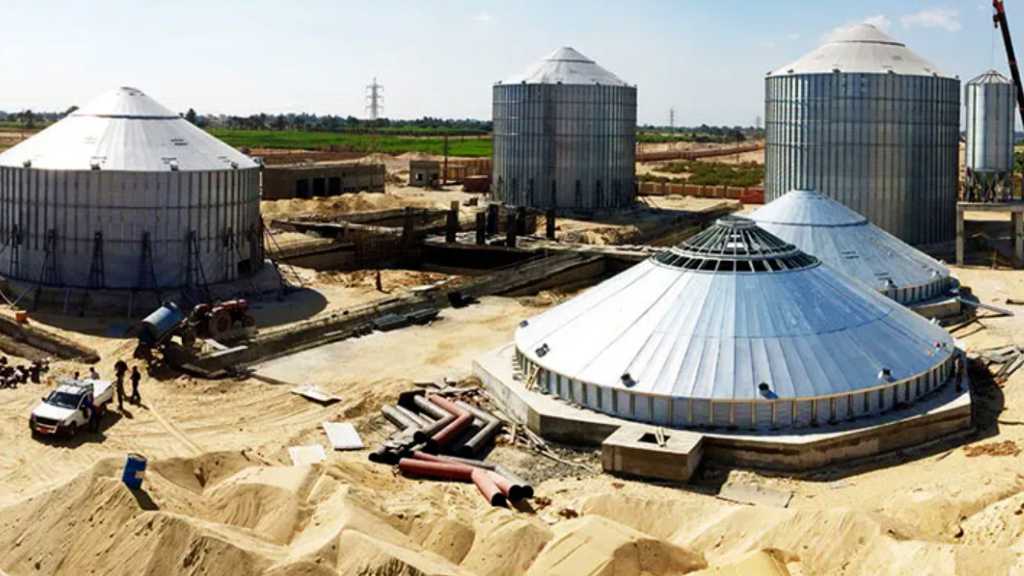
Farouk said that Egypt is pursuing a comprehensive strategy to transform the country into a hub for the storage and processing of grain crops as well as trading grain throughout the Middle East, Africa, and other regions, and would be working with Russian commodities exchanges to facilitate this.
Egypt has a population of about 120 million and was badly affected by the imposition of European sanctions on Russian grain in 2022/23, when deliveries of Ukrainian grain meant for Egyptian markets were redirected to Europe. This resulted in significant shortages occurring on the Egyptian consumer market. Since then Cairo has moved to restructure their energy security to ensure this does not happen again.
Russia has also been discussing similar plans with Oman to impose more control over global grain logistics. Russia is the world’s largest grain supplier however its supply chains have previously been built largely on European models which have proven to be politically unsecure. Other countries in Asia and Africa are following similar food security development strategies.