 Русский






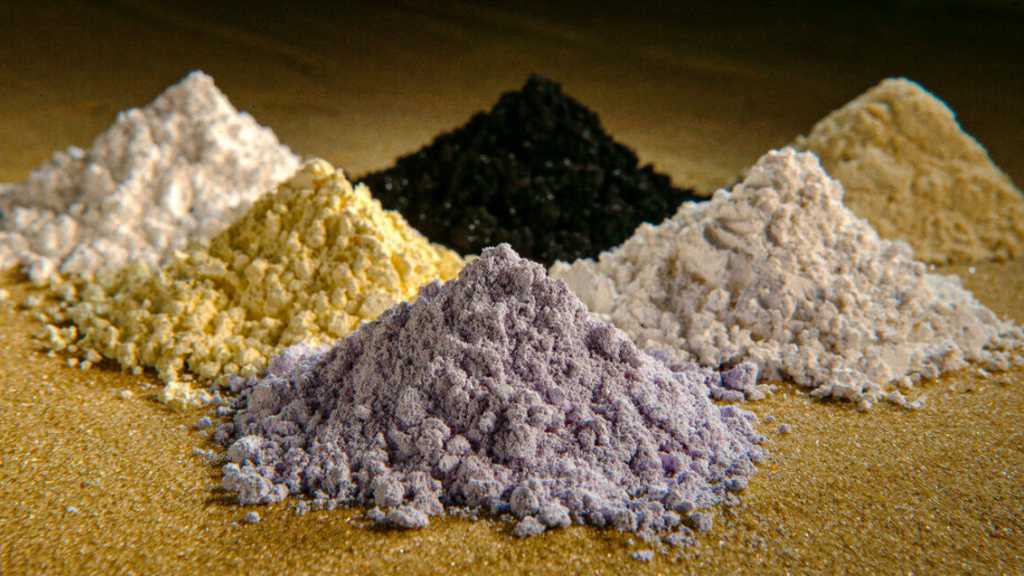

Scientists from Russia’s Tomsk Polytechnic University together with specialists from Kazakhstan’s Central Geological Survey LLP have conducted a comprehensive study of ores at the South Irgiz deposit in Central Kazakhstan, confirming its potential as one of the largest and most promising sources of rare earth metals in the world, the university stated on Friday (May 15). The university said that “Upon further confirmation, these promising areas could become the foundation for one of the world’s leading rare earth element supply bases in Kazakhstan.”
The results were published in the Journal of Geochemical Exploration. The project was carried out with support from Russia’s Ministry of Science and Higher Education.
The South Irgiz deposit was discovered in April 2025 and is part of the Zhana-Kazakhstan ore cluster in Central Kazakhstan. According to scientists’ estimates, rare earth metal resources at the Zhana-Kazakhstan ore cluster exceed 20 million tonnes.
For the study, scientists collected core samples from depths of up to 110 meters. Analysis was conducted using optical microscopy, X-ray fluorescence analysis, X-ray diffraction, scanning electron microscopy and inductively coupled plasma mass spectrometry.
Rare earths are a critical part of today’s manufacturing technology and are key ingredients for glass, lights, magnets, batteries, and catalytic converters and are used in everything from cell phones to cars. For example, to make the magnet for one wind turbine, you need about 300 kilograms of neodymium.
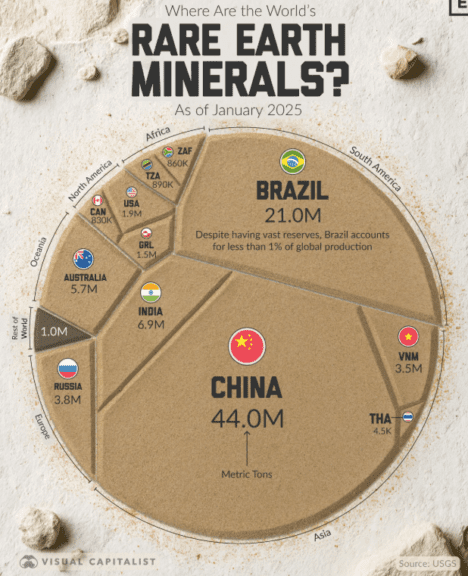
The largest, viable global deposits of rare earths are found in China, Brazil, India, Australia, and Russia.