 Русский




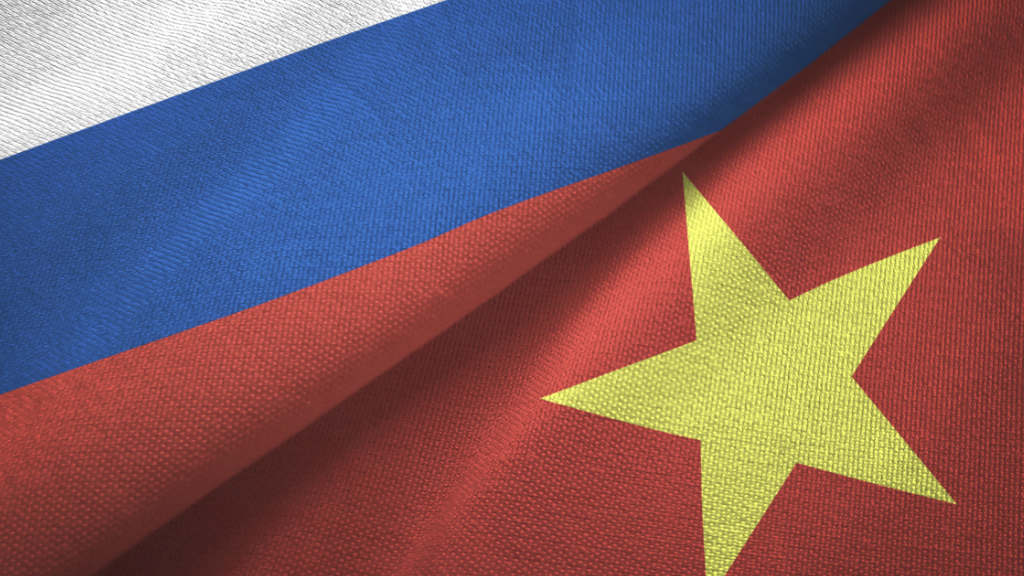

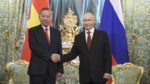
Vietnamese President To Lam’s visit to Moscow on September 7-9 and his discussions with President Vladimir Puitn produced a 50-point Joint Statement and 17 bilateral cooperation documents exchanged at the Kremlin on September 9, followed by four additional science and education agreements at the Vietnam-Russia Science and Technology Forum the same day, bringing the documented package to 21 bilateral development instruments.
The central economic result was a commitment to raise bilateral trade to US$15 billion by 2030, supported by stronger use of the Vietnam-Eurasian Economic Union free trade agreement, new investment mechanisms, additional energy projects, transport and logistics cooperation, and new production and supply chains.
While we covered the bilateral basics in our previous analysis here, there was a lot of additional content in the meetings, much of which have flown under the radar or gone unreported. In this article we detail the smaller, yet no less important points that arose during their talks.
Key Highlights Of The Putin-Lam Summit
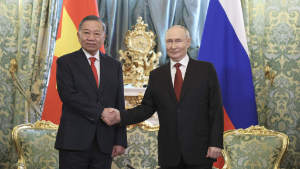
The two leaders reviewed the development of Vietnam-Russia relations since Lam’s May 2025 visit to Russia and assessed progress in implementing earlier high-level agreements. They reaffirmed the strategic partnership based on equality, mutual respect, sovereignty and non-interference, while identifying economic and trade cooperation as the leading area for the next stage. They discussed raising bilateral trade to US$15 billion by 2030, expanding investment and improving transportation routes, supply chains and national-currency payment mechanisms.
Energy was identified as a strategic breakthrough, covering oil and gas, fuel reserves, hydropower and the implementation of the Russian-designed nuclear power plant and nuclear science and technology centre agreed in March 2026. The talks also set science, technology and innovation as key growth engines, with cooperation in AI, digital technologies, biotechnology, new materials, quantum technologies, space and automation, alongside expanded education, healthcare, tourism, labour and cultural exchanges.
They further agreed to strengthen defence and security cooperation, including responses to non-traditional threats, transnational and high-tech crime. They also addressed direct air links, maritime routes and road and rail corridors, while Russia moves toward visa-free travel for Vietnamese citizens.
On international affairs, Putin and Lam stressed coordination at the UN and Russia-ASEAN mechanisms, support for a multipolar and equitable world order, and peaceful settlement of East Sea disputes under international law and UNCLOS. The outcome was formalised in a 50-point Joint Statement, establishing the political and practical framework for the next stage of bilateral cooperation.
The 50-Point Russia-Vietnam Joint Statement: Key Commitments

The 50-point Joint Statement adopted by Putin and Lam sets the political and practical framework for the next stage of the Russia-Vietnam Comprehensive Strategic Partnership. The statement reaffirms relations based on equality, mutual respect, sovereignty, legitimate interests and non-interference, while calling for stronger political support and continued coordination between governments, parliaments, foreign ministries, security institutions and other organisations.
It places economic and trade cooperation and investment at the centre, with both sides targeting US$15 billion in bilateral trade by 2030. Vietnam welcomes greater Russian investment in renewable energy, oil and gas and deep-sea resources, while Russia will facilitate Vietnamese investment in agriculture, forestry, fisheries and seafood. The statement also calls for diversified transport routes, reliable supply chains and stronger economic connectivity.
It additionally identifies science, technology, innovation and digital transformation as new pillars of bilateral relations, with expanded joint research, application and technology transfer in artificial intelligence, digital technologies, biotechnology, new materials, quantum technology, space technology and automation. It also confirms defence, security and military-technical cooperation as a strategic pillar, including coordination against unconventional security threats, transnational crime and high-tech crime. The two countries also agreed to broaden cooperation in education, human-resource development, healthcare, culture, tourism, labour and public diplomacy, strengthening the social foundation of bilateral relations.
Connectivity received particular attention. The two sides agreed to increase regular and direct charter flights, facilitate travel, and develop maritime routes and land transport corridors, including road and rail links. Putin also announced Russia’s intention to introduce visa-free travel for Vietnamese citizens, complementing Vietnam’s existing visa-free regime for Russian visitors. Human exchanges are already substantial: more than 3,000 Vietnamese citizens study at Russian universities, more than 75,000 Vietnamese nationals have received education or professional training in Russia, nearly 700,000 Russians visited Vietnam in 2025, while the figure has exceeded 800,000 in the first half of 2026.
Energy forms one of the statement’s strongest economic components. Vietsovpetro, after 45 years of operations, has produced more than 250 million tonnes of oil in Vietnam, while PetroVietnam’s projects in Russia’s Nenets Autonomous Area have produced more than 40 million tonnes since 2008.
Gazprom is developing gas fields on Vietnam’s continental shelf and began LNG supplies to Vietnam in 2025. The two sides are examining strategic fuel reserves in Vietnam and energy transit through Vietnamese territory to neighbouring countries. Cooperation also covers hydropower, where Russian specialists participated in designing and building more than one-third of Vietnam’s hydropower generating capacity, while RusHydro is working on assessment and upgrading of existing plants. The March 2026 agreement on a Russian-designed nuclear power plant and nuclear science and technology centre is described as a flagship project capable of supplying large volumes of affordable, low-carbon electricity, creating thousands of high-skilled jobs and strengthening Vietnam’s technological capacity.
The statement also links economic cooperation with industrial and technological development. Existing cooperation includes production of Gazelle cargo vans and passenger minibuses in Da Nang, while KAMAZ is expanding its Vietnamese presence through dealerships and service centres.
Russia and Vietnam also reaffirmed joint coordination at the United Nations and other multilateral forums, support for a multipolar and equitable international order with the UN at its centre, and the importance of peace, stability, freedom of navigation and overflight in the East Sea/South China Sea. They reaffirmed peaceful dispute settlement under international law and UNCLOS, implementation of the Declaration on the Conduct of Parties and efforts toward an effective Code of Conduct.
Seventeen Kremlin Documents: The Economic Architecture

The 17 documents exchanged at the Kremlin cover justice, finance, investment, transport, ethnic affairs, energy, nuclear safety, science, education and mineral resources. We identify these as follows:
- An MoU on digital transformation of judicial agencies between the Vietnamese and Russian justice ministries, creating an institutional channel for digital governance and potentially more efficient administrative processes.
- Two finance and investment documents are particularly relevant to capital flows: an MoU between Vietnam’s Ministry of Finance and Russia’s Ministry of Economic Development on strengthening investment cooperation, and another between Vietnam’s Ministry of Finance and the Russian Direct Investment Fund. Their significance is to create a formal investment-promotion channel around the US$15 billion trade objective and Vietnam’s demand for long-term capital in infrastructure, technology, energy and industrial development.
- The transport and workforce-training agreement between Vietnam’s Ministry of Construction and Russia’s Ministry of Transport addresses a less visible but important constraint: skills. Rail, maritime, logistics and multimodal corridors require trained technical personnel as well as physical infrastructure.
- The ethnic-affairs MoU between Vietnam’s Ministry of Ethnic and Religious Affairs and Russia’s Federal Agency for Ethnic Affairs expands institutional cooperation into social and cultural administration.
- The investment registration certificate involving PetroVietnam and the Zarubezhneft Asia-VSP-PVEP consortium formalises expanded oil and gas cooperation. It builds on the Vietsovpetro and Rusvietpetro models and the four-decade-plus relationship between PetroVietnam and Zarubezhneft.
- The radiation and nuclear-safety management agreement between Vietnam’s Agency for Radiation and Nuclear Safety and Russia’s Federal Service for Environmental, Technological and Nuclear Supervision provides the regulatory framework required for peaceful nuclear development.
- The science agreements involving the Vietnam Academy of Science and Technology and Moscow Power Engineering Institute, Vietnam National University–Ho Chi Minh City and St. Petersburg State University, and the strategic technology roadmap between the Vietnam Academy of Science and Technology and AFK Sistema connect research, education and commercial technology.
- The PetroVietnam-Rosatom Additive Technologies agreement creates an additive-technology centre and provides for transfer of 3D-printing-ink production. This is significant because it moves part of the relationship into advanced manufacturing rather than remaining concentrated in conventional energy.
- The PetroVietnam-Zarubezhneft framework on strategic crude reserves adds an energy-security dimension, while the PetroVietnam Exploration Production Corporation–Zarubezhneft Asia investment cooperation agreement strengthens upstream activity.
- The Bien Dong Mineral Company-Morion LLC MoU opens cooperation in geological research, surveying, assessment and exploration of mineral resources in Vietnam’s maritime zones, potentially widening cooperation into strategic and seabed mineral resources.
- Four additional science-forum agreements complete the 21-document package through university cooperation, cybersecurity, information-security infrastructure and nuclear-education and personnel training.
The Science And Technology Forum: Strategic Technology Becomes A New Economic Pillar

The Vietnam-Russia Science and Technology Forum, themed “Connecting Strategic Technologies”, was held in Moscow on September 9. Lam attended alongside Russian Deputy Prime Minister Dmitry Chernyshenko, Vietnamese Minister of Science and Technology Vu Hai Quan and Russian Minister of Science and Higher Education Valery Falkov.
Nearly 500 delegates participated, representing government agencies, research institutes, universities, technology business associations, investors, scientists and experts. More than 100 organisations registered for the wider technological partnership programme.
The sectors covered were extensive: nuclear power, oil and gas, petrochemicals, electricity, renewable energy, materials science, chemistry, nanotechnology, information technology, artificial intelligence, semiconductors, cybersecurity, mining, strategic minerals, marine science and biomedical science.
The forum was organised within the 2026 Year of Vietnam-Russia Education, Science and Technology Exchange. Chernyshenko announced new joint research-grant selections involving the Russian Science Foundation and Vietnam’s National Foundation for Science and Technology Development, or NAFOSTED.
Lam proposed five strategic directions centred on moving bilateral scientific cooperation beyond traditional academic exchange. The emphasis was on joint research, joint laboratories, technology transfer, product development, commercialisation and investment. Nuclear energy, new energy, space and satellite technology, semiconductors and microelectronics, quantum technology and artificial intelligence were identified as priority fields.
The most important change was therefore institutional: science and technology were positioned not only as education cooperation but as a source of production, investment and commercial value. To Lam called on Russian technology and energy corporations to increase investment and technology transfer in Vietnam and encouraged Vietnamese technology companies to seek investment opportunities in Russia. He also proposed joint strategic technology programmes, shared research centres and projects involving universities, research institutes and enterprises.
Four science and education instruments were exchanged at the September 9 forum. St. Petersburg State University signed an MoU with Vietnam’s National University in Ho Chi Minh City.
St. Petersburg’s State University of Telecommunications signed a strategic cooperation agreement with Kaspersky Vietnam and agreed to establish a joint information-security laboratory with Vietnam’s Posts and Telecommunications Institute of Technology.
The National Research Nuclear University MEPhI and Hanoi University of Science and Technology exchanged agreements on education and personnel training. These four agreements expand the 17 Kremlin instruments to a total of 21 cooperation documents.
Their economic importance lies in creating the skills, cybersecurity capacity and research links required for higher-value cooperation. The university partnerships can support technology development, while the Kaspersky-linked cybersecurity arrangement creates a direct business and technical channel. The MEPhI agreement connects Vietnam’s engineering workforce to Russia’s nuclear and advanced-technology education system.
Maritime Cooperation Now Part Of The Economic Agenda
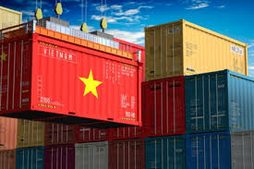
On September 8, Lam met Nikolai Patrushev, Assistant to the President of Russia and Chairman of the Russian Federation Council on the Sea. The meeting placed maritime cooperation directly into the economic-connectivity agenda. Vietnam presented itself as a maritime economy with a long coastline and a strategic position in Southeast Asia, while Russia brought shipbuilding, engineering, scientific and marine-research capabilities.
The two countries had already signed a Maritime Cooperation Plan for 2026-2030 in Moscow on May 22, covering maritime transport, shipbuilding, ship repair, maritime personnel training, merchant-shipping safety and the possible joint use of the Trans-Arctic Transport Corridor.
Lam subsequently proposed cooperation in ship construction, repair, maintenance and technology transfer, while Russia’s extensive shipbuilding base offers expertise in fishing vessels, passenger ships, cargo vessels, marine engineering and increasingly sophisticated Arctic vessels. Maritime links can carry bulk energy products, industrial inputs, agricultural commodities, machinery and manufactured goods at lower unit costs than air transport. The meeting therefore addressed one of the structural problems behind the relatively modest current trade volume: the distance between the Russian and Vietnamese markets and the need for reliable multimodal supply chains.
This comes as Vietnam itself is becoming a significant Asian shipbuilding centre: it ranked seventh globally in 2024-25, accounted for about 0.61% of global shipbuilding, and produced 746,800 gross tonnes in 2025, up at a 6.5% CAGR during 2020-25; Vietnam’s fleet is also projected to reach 1,750 vessels and 18 million tonnes of capacity by 2030.
Russia’s industrial scale is substantially larger in absolute terms: United Shipbuilding Corporation (USC) generated RUB525 billion in revenue in 2025, delivered around 50 vessels during the year, and had about 120 civilian vessels under construction at its yards; the Russian government expects more than 1,600 civilian vessels and marine platforms to be built by 2036, with particular emphasis on tankers, gas carriers, bulk carriers, fishing vessels, icebreakers and ships designed for the Northern Sea Route.
The opportunity is therefore complementary rather than simply competitive: Vietnam can provide a cost-competitive production and repair platform close to Asian shipping markets, while Russia can contribute advanced marine engineering, Arctic vessel know-how, specialised equipment, research and technologies that Vietnam can localise. This could eventually extend into joint ship design, component manufacturing, repair hubs, crew training and vessel construction for third-country markets, creating an industrial ecosystem around the expanding Vietnam-Russia maritime corridor.
Trans-Arctic Corridor: Linking Vietnamese Ports To Russia’s Arctic Economy

The most strategically distinctive element is the emerging Vietnam-Russia-Arctic maritime connection. Russia and Vietnam agreed in May 2026 to examine the joint use of the Trans-Arctic Transport Corridor, and the idea gained a concrete commercial dimension at the 2026 Eastern Economic Forum, where Vietnam Maritime Corporation (VIMC) and Russia’s FESCO deepened cooperation and established a “sister-port” relationship between HCMC Port and Vladivostok.
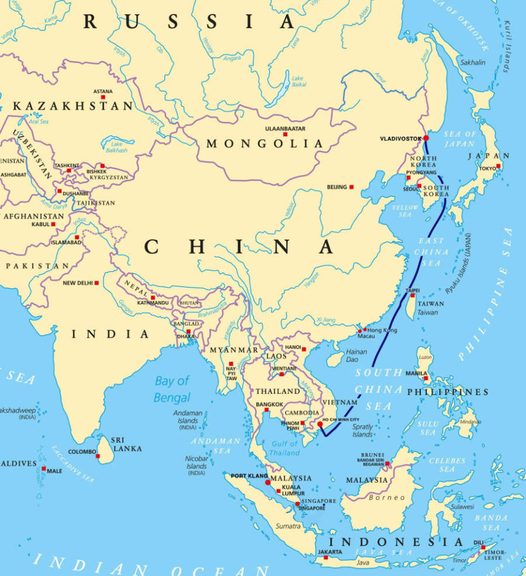
FESCO already operates its Vietnam Direct Line, connecting Hai Phong and Ho Chi Minh City with Vladivostok, while VIMC, Vietnam Shipbuilding Industry Corporation (SBIC), FESCO and Rosatom have moved toward studying a shipping route linking Vietnam with the Northern Sea Route (NSR).
This is particularly significant because Russia is investing heavily in the vessels required to make the Arctic corridor commercially viable: its updated shipbuilding strategy targets 51 vessels operating on the NSR by 2036 and 135 by 2050, while USC is building a fleet of seven nuclear icebreakers, three of which are already operating in the Arctic.
Moscow has also committed over ₽500 billion (US$5.93 billion) in federal support for ship construction and related components over the next six years, reflecting the scale of the domestic fleet-renewal programme. For Vietnam, participation in this ecosystem could mean more than simply sending containers north: Vietnamese shipyards could eventually participate in repair, maintenance, components, auxiliary vessels and other maritime services, while Vietnamese ports could become southern nodes for Russian Arctic cargo moving toward Southeast Asia. For Russia, Vietnam offers a strategically located Southeast Asian maritime partner and a potential cargo base for the NSR.
The March 2026 FESCO-VIMC agreement, followed by the September sister-port arrangement and the NSR study, therefore suggests the beginnings of a wider Vietnam-Vladivostok-Arctic logistics chain, although the NSR link should still be described as an emerging route under study rather than an established regular commercial service.
Shipbuilding As The Russia-Vietnam Bilateral Industrial Core
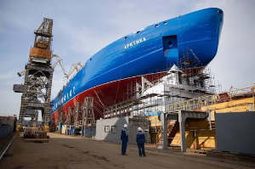
The numbers show why this cooperation matters. Vietnam’s shipbuilding industry is still relatively small compared with the country’s overall manufacturing base, but its 746,800 gross tonnes of 2025 production, strategic location and expanding merchant fleet give it a platform for further integration into Asian maritime supply chains.
Russia, meanwhile, faces a very different problem: it has a huge requirement for fleet renewal but insufficient shipyard capacity and a need to increase serial civilian production. Russia’s 2026 shipbuilding strategy estimates a strategic requirement for approximately 1,600 new vessels by 2036, while USC reported that its yards had contracted only 36 civilian vessels in 2025, compared with an average of about 126 vessels annually during 2016-25.
That gap creates a potential opening for international industrial partnerships. Vietnam could potentially serve as a South-East Asian production, repair and servicing node, while Russia supplies specialised technologies and expertise in areas where its capabilities are strongest particularly ice-class vessels, icebreakers, marine research ships, fishing vessels, passenger ships, offshore equipment and Arctic logistics vessels. The cooperation would thus connect three markets simultaneously: Vietnam’s growing domestic and Southeast Asian maritime demand, Russia’s massive fleet-renewal and Arctic requirements, and the wider cargo market between Southeast Asia, Vladivostok and the Northern Sea Route.
Fisheries: Room for a Larger Russia-Vietnam Seafood Market
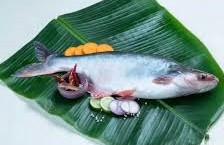
Russia–Vietnam seafood trade has reached about US$193 million, but the product structure shows considerable scope for expansion: Russia supplies pollock, cod, crab and salmon, while Vietnam brings shrimp and pangasius, (a type of catfish), creating a complementary rather than directly competing trade model.
The strategic opportunity is larger than raw seafood sales: Russia’s fisheries sector is seeking higher mutual supplies, joint ventures and access to Vietnamese markets, while Lam identified seafood and the marine economy as promising areas for Vietnamese companies in Russia. VASEP and Russia’s VARPE have already established sectoral cooperation, while Russian supplier Tikhrybkom Magadan Seafood participated in Vietfish 2026 and signed its first contract there, providing a concrete example of business expansion.
Vietnam’s seafood industry itself is a multi-billion-dollar export sector: exports reached US$5.77 billion in H1 2026, including US$2.35 billion in shrimp and US$1.11 billion in pangasius, giving Russian companies a large processing, distribution and sourcing ecosystem to plug into. The next step could therefore be Russian raw-material supply, Vietnamese processing, joint ventures and distribution into Russia/Eurasian markets, potentially moving the relationship well beyond the current US$193 million in trade.
The Vietnam-EAEU FTA: From Bilateral Trade To A Wider Eurasian Market
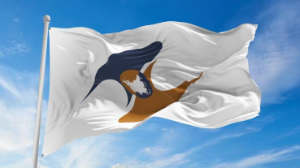
The EAEU free trade agreement was another important element. Vietnam was the first country to sign an FTA with the Eurasian Economic Union, of which Russia is a member. Lam asked Russia to encourage other EAEU members to open their markets further, remove trade barriers and eliminate threshold-based trade-defence mechanisms affecting Vietnamese products.
The agreement has a larger potential market effect than bilateral trade alone: improved access across the EAEU could turn Russia into a distribution and market-entry platform for Vietnamese manufacturers targeting the five-member bloc of Russia, Belarus, Kazakhstan, Armenia and Kyrgyzstan. This trade rose from about US$2.49 billion in 2015 to US$5.6 billion in 2024 and US$5.94 billion in 2025. In the first seven months of 2026, this further accelerated to US$4.3 billion, up 21.5%, including Vietnamese exports of US$2.25 billion (+14.7%) and imports of US$2.04 billion (+ 30%). Clearly, the Vietnam-EAEU agreement has been a success.
Around 88% of tariff lines have been eliminated or reduced, covering more than 90% of trade value, supporting Vietnamese exports of seafood, coffee, pepper, cashews, textiles, footwear, electronics and processed foods, while EAEU exports mainly comprise energy, fertilizers, metals, chemicals, machinery and industrial inputs.
Russia remains the dominant market, accounting for more than 80% of bloc trade, with Vietnam-Russia trade reaching about US$3.24 billion in the first seven months of 2026 (more than 12%), while trade with Kazakhstan has increased roughly 4.2 times, Armenia about 61 times, Belarus about 34%, and Kyrgyzstan around 14.5 times from their respective low bases. After rapid growth of nearly 30% annually in 2017-18, trade moderated during 2022-23 but has strongly rebounded, demonstrating the FTA’s resilience.
During his visit to Russia, Lam urged Moscow to encourage other EAEU members to open markets further, remove remaining trade barriers and address threshold-based trade-defence measures, particularly those affecting Vietnamese products. The strategic significance therefore extends beyond the roughly 180-million-consumer EAEU market: if Russia helps resolve logistics, regulatory and non-tariff barriers, it can increasingly function as a distribution and market-entry hub for Vietnamese manufacturers across the wider Eurasian bloc. These discussions also suggest that tweaks may be coming in the content of the EAEU FTA itself to further liberalise trade. It is now 11 years old and trade development, new geopolitical stresses and new technologies will all need to be taken into consideration as part of any potential amendments.
Vietnam-Russia Quantum Technology Roadmap

Prof. Dr. Tran Hong Thai, President of the Vietnam Academy of Science and Technology (VAST), met leaders of Russia’s State Atomic Energy Corporation (Rosatom), the P.N. Lebedev Physical Institute, and the National University of Science and Technology MISIS (NUST MISIS) in Moscow on September 10. The meeting focused on developing a Vietnam-Russia quantum technology cooperation roadmap, covering national strategies, human-resource training, research infrastructure, and quantum-computing hardware and software. The sides also discussed researcher exchanges, Russian expert participation in joint projects, and establishing a potential joint research centre.
The Hanoi Laboratory: Technology Transfer With Regional Significance

Putin and Lam also opened (by videoconference) a new infectious-disease research and prevention laboratory at the Joint Russian-Vietnamese Tropical Research and Technological Centre in Hanoi. The Tropical Centre has operated since 1988 and brings together more than 50 research organisations. The new laboratory uses Russian diagnostic technologies and equipment for molecular-genetic and virological research, with applications in disease monitoring, prevention, pharmaceutical development and vaccines.
Rospotrebnadzor head Anna Popova reported that nine Russian research activities have been involved in cooperation with Vietnam during the past decade. More than 600 Vietnamese specialists have been trained, more than 40 new diagnostics have been developed, and four mobile laboratories have been used in Vietnam.
The project therefore illustrates a broader model of technology cooperation: Russian equipment and expertise combined with Vietnamese research capacity and regional operating conditions. Russia also previously transferred the research vessel Professor Gagarinsky for marine biodiversity, hydrographic and geophysical research.
It is worth noting that Russia’s transfer of the Professor Gagarinsky 55.76-metre research vessel to the Joint Vietnam-Russia Tropical Science and Technology Research Centre marked a concrete expansion of bilateral marine cooperation.
Now commissioned in Vietnam as Vessel 889, the 329-ton ship can accommodate 23 crew and 17 researchers and carries geophysical, hydrographic and gravimagnetic laboratories. The vessel enables Vietnamese and Russian scientists to conduct marine biodiversity, seabed, geological, hydrographic and ecosystem research, including surveys in deeper and previously understudied offshore waters. Its first voyage from Vladivostok to Hai Phong in May 2025 already involved joint scientific sampling, making the transfer not simply a symbolic gift but a shared operational platform for long-term marine research and technology cooperation.
Corporate Meetings: Bilateral Investments & Project Pipelines
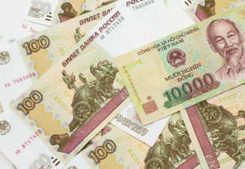
On September 9, Lam met Zarubezhneft General Director Sergei Kudryashov, AFK Sistema founder Vladimir Yevtushenkov, RDIF CEO Kirill Dmitriev and Moscow State University scientist Professor Ruslan Rodin, and reviewed the four decades of Zarubezhneft-PetroVietnam cooperation. Vietsovpetro and Rusvietpetro were identified as successful models for economic benefits, energy security, technology transfer and workforce development. Zarubezhneft indicated plans to diversify into renewable energy and offshore wind, study an energy centre in Vietnam, develop energy-equipment manufacturing and supply chains, and potentially pursue projects in third countries.
With Yevtushenkov, Lam discussed AFK Sistema’s interest in Vietnam as a priority Asia-Pacific market. Proposed areas included information technology, cybersecurity, biometric identification, smart cities, AI, big data, digital transformation, electrical equipment, green transport, hotels, tourism and culture. The Vietnamese side asked the company to identify feasible projects with clear technologies, resources and implementation roadmaps.
With RDIF CEO Kirill Dmitriev, the discussion focused on biomedicine, vaccines, healthcare, transport, logistics, digital infrastructure, high technology, energy and industrial production. Vietnam invited RDIF to help develop research, clinical trials, technology transfer and production of next-generation vaccines and biological products in Vietnam, while also helping Vietnamese companies access Russian investment opportunities.
Professor Ruslan Rodin discussed AI, aerospace and data security and proposed establishing a Lomonosov research branch in Vietnam. Such a branch could integrate research, technology and manufacturing while training high-level specialists.
These corporate meetings are important because they connect government-level agreements with identifiable commercial actors. They also demonstrate that the intended economic pivot is not only confined to oil and gas. It has expanded to include digital infrastructure, cybersecurity, biomedical technology, green transport, tourism and advanced manufacturing are being brought into the bilateral portfolio.
As of 31 August 2026, Russia had 244 investment projects in Vietnam worth US$996.81 million, while Vietnam had 19 projects in Russia worth US$1.64 billion, showing that Vietnamese projects are fewer but substantially larger on average.
Major Vietnamese investments include Rusvietpetro, the 49:51 PetroVietnam-Zarubezhneft JV established in 2008, which has produced more than 40 million tonnes of oil and generated nearly US$1.4 billion in profits repatriated to Vietnam, alongside TH Group’s Russian dairy/agriculture programme, planned at up to US$2.7 billion, including a Primorye project involving about 13,000 hectares, 10,000-12,000 cattle and a milk-processing facility of roughly 60,000 tonnes annually.
On the Russian side, Vietsovpetro, the long-running PetroVietnam-Zarubezhneft partnership, has produced more than 255 million tonnes of oil and over 40 billion cubic metres of gas, making it one of the most commercially significant bilateral ventures. Other Russian investment is concentrated in oil and gas, mining, manufacturing and services, while newer proposals from AFK Sistema, RDIF and Zarubezhneft extend the pipeline into AI, cybersecurity, biomedicine, vaccines, renewable energy, offshore wind, tourism and advanced manufacturing. Together, these projects show a relationship moving from resource-based investment toward a broader two-way model of energy, agriculture, technology, healthcare and industrial production
High-Tech Agriculture And The Food-Production Corridor
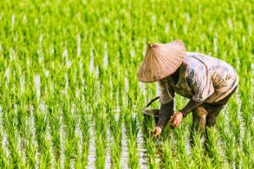
Agriculture is another area where the two economies are complementary. Vietnam has extensive experience in tropical intensive farming, rice cultivation and aquaculture, while Russia has large-scale grain and oilseed production, crop-breeding capabilities and agricultural biotechnology.
Bilateral agricultural trade has approximately doubled over five years to around US$1 billion per annum. Russian researchers are working with Vietnamese partners on Indica and Japonica rice varieties in Russia, genetic-resource exchange and genomics research. Other areas include remote sensing, AI forecasting, food safety, quality control and climate adaptation. Modifications to rice for example are producing salt water resistant varieties as well as other crops being affected by the results of global warming. With a coastline 3,260km long, Vietnam needs to ensure its harvests can sustain changing conditions.
Russia is also accelerating is digital agricultural sector. Around 24,000 AI-integrated autonomous agricultural machines were operating in 2026. A unified agricultural digital platform is planned by the end of 2026, while at least 80% of agricultural enterprises are expected to use domestic software for key production processes by 2030.
The proposed Vietnam-Russia innovation corridor and joint laboratories involving the All-Russian Research Institute of Agricultural Biotechnology and the Russian State Agrarian University-Moscow Timiryazev Agricultural Academy could turn this complementarity into joint research, localised technology and commercial products
Connectivity: Integration Of A Regional Supply-Chain System
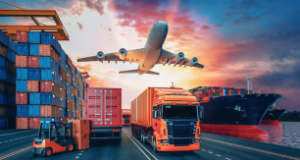
The significance for Vietnam-Russia connectivity is that the bilateral relationship can be inserted into a larger regional network. Russia’s Far East provides access to Pacific-facing infrastructure and natural resources, while Vietnam provides a Southeast Asian manufacturing, maritime and consumer-market platform.
The corridor concept could therefore transform Vietnam from an end-market into a distribution and production bridge. The emerging corridor could connect Russia’s Pacific-facing Far East – Vladivostok, Nakhodka and Vostochny – with Vietnam’s Hai Phong and southern gateway ports, and then into ASEAN’s 680 million consumer market, using Vietnam’s FTA network and manufacturing base as the distribution platform.
This is already taking shape. FESCO-linked Vietnam-Russia cargo increased 16% in 2025, with bilateral freight reaching about 688,300 tonnes (+38%). Maritime transit can take roughly 7-10 days from Vladivostok to Vietnamese ports. This value proposition is larger than the current bilateral trade figure, as Russian coal, fertilizers, energy, minerals and agricultural/fisheries raw materials can feed Vietnamese processing and ASEAN supply chains, while Vietnamese and ASEAN textiles, coffee, seafood, machinery and manufactured goods can move north through Russian Pacific gateways.
The corridor also offers room to build warehouses, cold chains, processing facilities, port services and joint manufacturing, turning Vietnam from a Russian end-market into a regional ASEAN transshipment, production and distribution bridge.
This means that Vietnam could also become the Southeast Asian extension of Russia’s Northern Sea Route: Arctic cargoes moving through the Russian Far East could connect with existing Vladivostok-Haiphong-Ho Chi Minh shipping services, allowing Vietnam to serve as a storage, processing and distribution gateway for Russian commodities entering ASEAN.
As previously noted, FESCO’s Vietnam Direct Line (FVDL) already connects Vladivostok with Ho Chi Minh City and Hai Phong, with 7-10-day transit times and weekly sailings, while cargo arriving in Vladivostok can move onward across Russia through FESCO’s rail and road network. FESCO also operates a Vietnam-St. Petersburg route via Yantian, China, taking about 34-40 days, carrying general, agricultural, refrigerated, dangerous and chemical cargo. In September 2026, FESCO expanded its Vietnamese operations through DBF Logistics Vietnam, with offices in Ho Chi Minh City and Hai Phong, strengthening maritime and intermodal logistics and Vietnam’s potential role as a Southeast Asian transshipment hub.
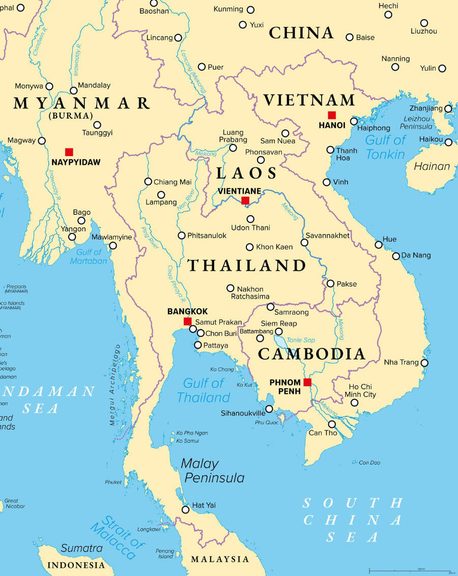
Bilateral Air connectivity is simultaneously expanding: Vietnam Airlines increased Hanoi-Moscow services to four flights weekly from July 1, 2026, while Vietjet plans Da Nang-Moscow, Nha Trang-Kazan and Nha Trang-Novosibirsk routes, and Aeroflot is expected to start Moscow-Phu Quoc twice-weekly flights on October 15, 2026.
These links are boosting both people and cargo flows: Vietnam received more than 863,500 Russian visitors in the first seven months of 2026, up 274% year-on-year, making Russia Vietnam’s third-largest source of international visitors, while Anex Vietnam expects 13,000-15,000 Russian tourists per month in Phu Quoc during the 2026-27 autumn-winter season.
Growing air-cargo capacity is also supporting Vietnamese exports such as seafood, fresh fruit, pharmaceuticals, electronics, coffee, tea, cashews, garments and handicrafts, while Russian shipments include chocolate, confectionery, cheese, smoked meat, cosmetics and consumer goods.
Together, expanding passenger traffic, FESCO’s established sea-rail services, new air routes and potential China-linked overland corridors could create a stronger Russia-Vietnam-Southeast Asia-Eurasia connectivity network. As China and Vietnam have established freight services, and China is also expanding cross-border freight services with Russia, stronger connectivity between Vietnam, China, and Russia would further facilitate overland trade and transportation across the region.
Tourism: An Increasingly Important Economic Bridge

The tourism sector has become one of the fastest-growing areas of Vietnam-Russia relations. Russian Deputy Prime Minister Chernyshenko cited more than 450,000 mutual visits in 2025 and more than 670,000 visits in the first half of 2026, supported by more than 15 regular flights. Other figures presented during the Putin-Lam discussions put Russian arrivals in Vietnam at nearly 700,000 in 2025 and more than 800,000 during the first half of 2026. The different figures reflect different statistical references within the reporting, but all indicate rapid growth.
Vietnam already provides visa-free access to Russian tourists. Putin indicated that Russia was working toward reciprocal visa-free travel for Vietnamese citizens in the near future, although no effective date was announced. For Vietnam, this can expand Russian tourism beyond traditional beach destinations. For Russia, stronger Vietnamese tourism can support regional travel, aviation, hospitality and retail.
There are examples. AFK Sistema’s interest in hotels and tourism and RDIF’s interest in tourism and resort development show that tourism is also becoming an investment sector. AFK Sistema, controlled by Vladimir Yevtushenkov (the majority owner and former сhairman of Sistema), is positioning Vietnam’s tourism market as a potential new investment platform, with its January 2026 delegation specifically exploring hotel and resort projects in Phú Quốc and Nha Trang alongside digital tourism services. Sistema’s hospitality arm, Cosmos Hotel Group, gives it an existing hotel-management platform that could potentially be transferred into Vietnam rather than starting from zero. Its proposal also includes digital hotel-management solutions, particularly for southern Vietnam, suggesting Sistema is targeting both physical accommodation assets and the technology layer around rapidly expanding Russian tourist demand.
The timing is significant: Vietnam received nearly 21.2 million international visitors in 2025, while Russian arrivals approached 700,000, making Russia one of the fastest-growing source markets. Russian tourists are increasingly sought-after as they have now overtaken the Europeans in terms of local spending.
Payments And Finance: Reducing Transaction Friction
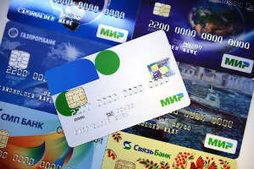
Improving those channels could therefore have a larger effect on trade diversification than a single major energy project. Around 60% of Russia-Vietnam trade payments are reportedly settled in the Russian ruble and Vietnamese dong, bypassing the US dollar and euro, with the Vietnam-Russia Joint Venture Bank (VRB) supporting transactions and Russia’s VTB Bank acting as a market maker for the ruble-dong pair.
The two countries are also discussing wider Mir card acceptance in Vietnam and more VRB ATMs; VRB has 21 ATMs and six branches. VRB was created with the assistance of the Bank for Investment and Development of Vietnam and VTB. It is the main structure of bilateral interaction. At present, six branches operate in major Vietnamese cities: Hanoi, Ho Chi Minh City, Vung Tau, Da Nang, Nha Trang, and Haiphong. In total, the organization operates 21 ATMs in the country.
However, due to the sanctions imposed on VTB, VRB’s capabilities are significantly limited; however, the bank continues to function. Expanding acceptance of Mir cards could contribute to growth in the tourist flow from Russia to Vietnam. Cryptocurrency trading in Vietnam remains restricted to government-approved domestic platforms, but Russia’s legal framework for using cryptocurrency in foreign-trade settlements could provide a basis for both countries to explore cryptocurrency or other digital-asset mechanisms for cross-border trade, subject to Vietnamese regulations.
Defense And Security Remain A Strategic Pillar
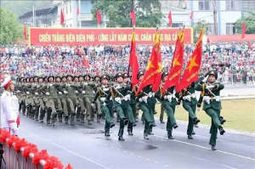
The economic expansion does not replace the traditional defence and security relationship. Putin and Lam reaffirmed strategic defence, security and military-technical cooperation and agreed to coordinate against non-traditional security challenges, transnational crime and high-tech crime and in emergency situations.
Russia remains deeply embedded in Vietnam’s defence relationship, while Vietnam continues to diversify its international partnerships. The summit placed economic, scientific and technological cooperation alongside, rather than instead of, the established defence relationship.
The practical significance is that political trust gives both sides room to develop new sectors without abandoning existing cooperation. Russia’s defence relationship with Vietnam is built on a large installed base: six Project 636.1 Kilo submarines for about US$2 billion, including Club missiles and torpedoes; four Gepard-3 frigates, Molniya missile boats, two Bastion-P coastal-defence systems with 40 Yakhont missiles in a reported US$300 million package, and licensed production of Kh-35 anti-ship missiles.
In aviation, Vietnam acquired 32 Su-30MK2V fighters across major packages, including 12 aircraft in 2013 for US$600 million and an earlier 12-aircraft package forming part of a US$1 billion deal, alongside 12 Yak-130 trainers for about US$350 million.
The ground inventory includes 64 T-90S tanks, while Russian systems also include S-300PMU-1 air defence and associated missiles; collectively, these purchases have made Russia the backbone of Vietnam’s major conventional military equipment.
This relationship is now moving toward a new aviation generation: during Putin’s July 24, 2026 visit to the Irkutsk Aviation Plant, Vietnam was identified as the prospective first export customer for the Yak-130M, with 18 aircraft reportedly being negotiated, potentially expanding the Vietnamese Yak-130 fleet to about 30 aircraft; the upgraded variant adds enhanced avionics, radar and weapons capability.
Meanwhile, the July 2026 deployment of Russia’s Pacific Fleet submarine Ufa and rescue vessel Igor Belousov to Cam Ranh, followed by a joint search-and-rescue exercise, demonstrated the operational side of the partnership. Russia has also continued naval, submarine, missile, training, maintenance and technology-transfer cooperation, while AP described a US$8 billion 2023 Russian defence package involving Su-30-family fighters and two frigates; although Vietnam has not publicly confirmed these details.
Parliamentary Diplomacy
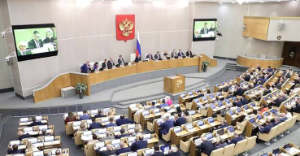
On September 8, Lam met Valentina Matvienko, Chairwoman of the Federation Council of Russia. The two sides reviewed the implementation of previous parliamentary commitments and agreed to increase exchanges between National Assembly leaders, specialised committees, friendship groups, young parliamentarians and female parliamentarians.
The economic significance lies in the emphasis on a favourable legal environment. To Lam asked the two legislative bodies to help complete the legal corridor necessary for bilateral cooperation and strengthen parliamentary supervision of agreements reached by senior leaders and governments. The two sides also agreed to connect Russian and Vietnamese localities and encourage regional governments and companies to identify concrete projects according to local strengths and needs. This matters because much of the future trade expansion will not be generated by central-government agreements alone. Agricultural processing, manufacturing, tourism, logistics, port development and industrial projects require regional authorities to approve land, infrastructure, taxation and licensing arrangements.
Education

More than 3,000 Vietnamese students are currently studying in Russia, while more than 75,000 Vietnamese citizens have received education or professional development in Russia over the years. Russia and Vietnam are also planning further cultural programmes, including the Russian Seasons programme in Vietnam in 2027.
A Russian-Vietnamese school will be built in the very heart of Vietnam’s capital and issue Vietnamese and Russian education certificates, Russian Deputy Prime Minister Dmitry Chernyshenko said. “Vietnam loves the Russian language, and the Pushkin Russian Language Center, where Vietnamese children are studying Russian, has been effective. So, a decision has been made to build a Russian-Vietnamese school in Hanoi on the former site of the Soviet Technical Center. A modern general-education school will be built in the very heart of Hanoi and issue Vietnamese and Russian education certificates,”
Over 500 agreements have been signed between scientific and educational establishments of Russia and Vietnam, he said. They also visited School No. 1253 in Russia on September 9, highlighting educational ties and presenting a Vietnam Bookshelf to strengthen cultural exchange.
The Political Outcome And The Economic Mechanism
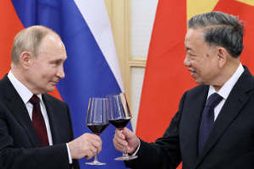
The Putin-Lam summit created the political umbrella; the Mishustin meeting addressed implementation; the Finance Ministry meeting addressed investment, taxation, customs and payments; Patrushev’s meeting addressed maritime connectivity; the EEF discussions provided a Far East–ASEAN corridor concept; corporate meetings supplied identifiable project partners; and the Science and Technology Forum created research and technology channels.
This division of labour is important. The relationship is no longer dependent on one annual summit or one sector. It is developing into a network involving governments, ministries, regional authorities, universities, financial institutions, state corporations, technology companies and investors.
The 21 documents therefore have different levels of commercial maturity. Some are binding or investment-related instruments, while others are MoUs, roadmaps or frameworks requiring further negotiations. Financial values and implementation schedules for many energy and technology projects remain undisclosed while details are worked out – but a substantial investment pipeline is being built. That capital will start to flow once the next tests are passed – developing trade diversification and project implementation to prove the infrastructure can support additional investment.
Trade Diversification
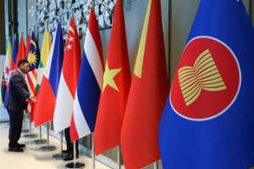
The most important economic challenge remains the scale of bilateral trade. Trade growth of 13.8% in H1 2026 is encouraging, but the absolute value remains below the potential of two economies with complementary production structures. Russia can supply energy, fertilizers, agricultural commodities, machinery, industrial equipment, nuclear technology and advanced scientific capabilities. Vietnam can expand supplies of consumer goods, agricultural products, seafood, processed food, electronics, furniture, wood products and manufactured goods. The Kremlin talks explicitly identified seafood processing, food production, livestock, wood processing, consumer-goods manufacturing, shipbuilding, marine economy, services and technical labour. This creates the possibility of moving beyond the traditional energy-heavy structure toward a broader production relationship. The US$15 billion target will therefore depend on three simultaneous changes: larger volumes, more product categories and better logistics and payment channels.
Implementation
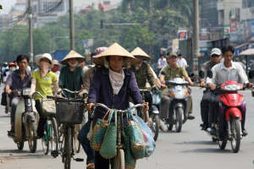
The next major institutional checkpoint is the Russia–Vietnam Intergovernmental Commission meeting scheduled for November 2026 in Hanoi. It will be important for translating the September decisions into project schedules, responsible agencies and investment commitments. The implementation agenda includes improving maritime and multimodal transport, increasing direct air connectivity, resolving tariffs and quotas, expanding EAEU market access, developing national-currency settlement channels, supporting two-way investment, advancing nuclear cooperation, expanding oil and gas projects, developing strategic fuel reserves, and identifying concrete technology-transfer projects. The science and technology agenda also requires measurable indicators. Lam specifically argued that future evaluation should focus on technologies jointly mastered, products created, enterprises investing together and young scientists developed rather than simply counting meetings and signed documents.
Summary: What The September Visit Changed
The measurable outcome of Lam’s Moscow visit is a new framework built around 21 cooperation instruments, a 50-point Joint Statement and a US$15 billion trade target for 2030. The current numbers show momentum: bilateral trade grew 5.7% in 2025, followed by a 13.8% increase in the first half of 2026.
Investment is already substantial, with Vietnamese investment in Russia at US$1.64 billion across 19 projects and Russian investment in Vietnam at US$996.81 million across 244 projects. But the more important change is structural.
Energy remains the anchor, with Vietsovpetro, Rusvietpetro, Gazprom, Zarubezhneft and Rosatom at the centre of the relationship. The September meetings added nuclear energy, strategic fuel reserves, offshore wind, energy equipment manufacturing, additive manufacturing, cybersecurity, AI, semiconductors, quantum technologies, biomedical products, marine minerals, high-tech agriculture, logistics, shipbuilding, tourism and digital finance. The transport agenda is also reaching wider and further. Maritime routes, ports, railways, multimodal logistics, aviation and the Russian Far East-ASEAN corridor through Vietnam are being treated as parts of the same economic-connectivity development plans.
For Russia, Vietnam provides a politically trusted Southeast Asian partner, an ASEAN economy, a growing consumer and manufacturing market and a gateway toward wider ASEAN supply chains. For Vietnam, Russia provides energy, nuclear technology, scientific capabilities, industrial expertise, agricultural technology, investment opportunities and an alternative economic partner within its policy of diversification.
Lam’s visit therefore created a substantially wider economic platform than the traditional Vietnam-Russia relationship. The immediate challenge is execution. The US$15 billion target requires the 21 documents to produce projects, investment, technology transfer, cargo flows, new routes, payment mechanisms and commercial contracts.
The upcoming November Intergovernmental Commission meeting in Hanoi will be the first major test of whether the agreements will become operational. The economic logic emerging from Moscow is straightforward: energy provides the base, trade provides the volume, transport and payments provide the infrastructure, science and technology provide higher value, and Vietnam’s position in ASEAN provides the regional market dimension. If those components begin operating together, the September 2026 visit will have become the starting point of a new Vietnam-Russia economic cycle.
This report was written by Ms. Begum, a reporter on Russia-South and Southeast Asia affairs for Russia’s Pivot To Asia. She may be reached at info@russiaspviottoasia.com