
 Русский






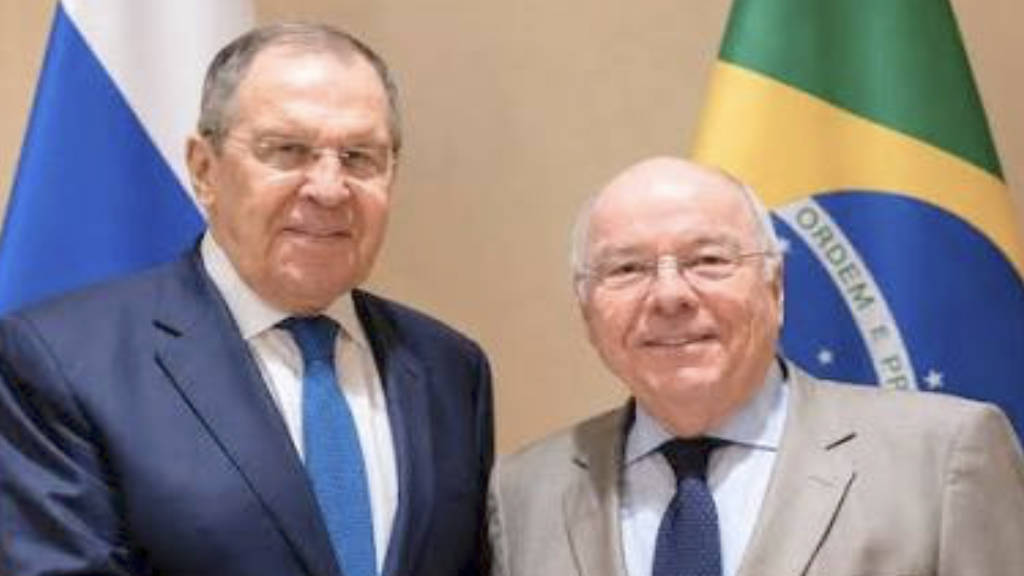

The Russian Foreign Minister Sergey Lavrov has held a phone conversation with Mauro Vieira, the Brazilian Foreign Minister, to solidify crucial strategic dialogue. Lavrov described the meeting as ‘traditionally constructive.’ The two had met personally, in Moscow, last month.
Although no details other than the diplomatic nature of the call were provided, the discussions would have touched upon outstanding trade issues, matters concerning BRICS, and the upcoming BRICS summit in New Delhi, which is scheduled to take place in two weeks’ time (September 12-14). The Lavrov-Viera call will have been to coordinate time for direct face-to-face meetings and the agenda for direct talks between Russian President Putin and Brazilian President Luiz Inácio Lula da Silva.
Bilateral Trade
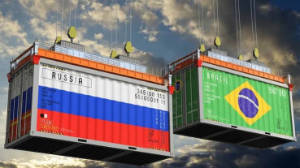
There are also several important outstanding trade issues that were also likely to have been touched upon as progress continues from the 8th meeting of the Russian-Brazilian High-Level Commission on Cooperation (HLC), which was held in Brasilia in February. The HLC includes the Intergovernmental Russian-Brazilian Commission on Trade, Economic, Scientific, and Technical Cooperation (IGC), which comprises bilateral working groups on trade, agricultural, economic, and industrial cooperation; scientific, technical, and educational cooperation; interbank and financial cooperation; energy cooperation; nuclear energy; cooperation in outer space; military-technical cooperation; customs cooperation; and cooperation in culture and sports, as well as the Political Affairs Commission, which coordinates bilateral activities at institutions such as the United Nations and the World Bank, amongst others.
At the time, the Brazilian side stated that “The Government of Brazil has embarked on a long-term policy of neo-industrialisation based on innovation and sustainable development. We want production to become greener, more digital, and more fully integrated into the global economic landscape. We are keenly interested in expanding Russian investment in Brazil, particularly in the chemical industry, fertilisers, energy, industrial equipment and infrastructure. There are also ample opportunities for expanding the presence of Brazilian companies in the Russian market, for example, in the manufacture of equipment and machinery, processed food products, technology, agriculture and a range of industrial solutions. To achieve this, it is necessary to strengthen institutional and organisational channels, remove logistical barriers and expand technical dialogue between our agencies and ministries. The High-Level Commission provides precisely these opportunities for coordinated action and long-term planning.”
Lavrov and Vieira would have discussed any sticking points related to achieving these goals. These are known to include:
Financial and Payment Obstacles
Western sanctions and Russia’s disconnection from the SWIFT system make standard banking and payments difficult. Both nations face hurdles finding reliable mechanisms for financial settlement and avoiding transaction dollarisation.
Logistical Challenges and Distance
The vast geographic distance between Russia and Brazil increases shipping times and transport costs. The lack of direct, high-frequency maritime routes means goods often have to transit through third countries.
Narrow Commodity Focus
Bilateral trade is heavily concentrated in a few basic goods. Russia mostly exports refined petroleum and chemical fertilisers, while Brazil mainly supplies soybeans, coffee, and meat. High-value industrial and manufactured goods make up a very small share.
Regulatory and Institutional Gaps
There is a lack of foundational legal agreements, such as treaties on investment promotion, protection, and the avoidance of double taxation. Regulatory hurdles—like the slow official registration of Russian pharmaceuticals in Brazil—also stall broader business cooperation.
Geopolitical and Diplomatic Pressures
While Brazil maintains “friendly neutrality” by refusing to join Western sanctions against Moscow, global shipping disruptions and international tensions surrounding Russian trade routes add ongoing risk to commercial supply.
All of these ongoing issues would have been touched upon by Lavrov and Vieira. Problem solving is part of their remit.
Russia-Brazil 2026 Trade
The relationship, however, is progressing, and there are tangible results. Russia-Brazil bilateral trade reached US$14.9 billion in 2025 and has been growing at about 6.6% during 2026, maintaining high values driven by energy and agricultural exchanges. However, there is a significant trade imbalance, with about 90% of the total volume in Russia’s favour.
Russian Exports To Brazil
Russia supplies a significant portion of Brazil’s fuel imports, accounting for up to 80–90% of Brazil’s diesel imports during peak months. Mixed mineral/chemical fertilisers and potassic fertilisers (like potassium chloride) form another major part of the trade, supporting Brazil’s large agricultural sector, while smaller volumes include iron, steel, and emerging agricultural or niche products like fish and vodka.
Brazilian Exports To Russia
Nearly all of Brazilian exports are consumables, amongst them beef, edible offal, and poultry, as well as coffee, tea, and spices. Showing rapid growth are exports of soybeans and oil seeds, as well as tobacco and miscellaneous foods.
Bilateral Trade Growth Trends
But there are improvements in the Brazilian trade aspect. In June 2026, Brazil exported US$136 million to Russia (a 24% increase year-over-year) and imported US$820 million. For example, it is becoming easier now to find Brazilian wines, cheeses and meats in Russian supermarkets. It should be remembered that the Brazilian population includes a significant number of Old World Europeans. About 88.8% (180 million people) of the Brazilian population is of European descent and manufacture consumable products of similar style to European cuisine. With European markets now off-limits to Russia, Russian buyers have been looking at Latin America for replacements, and especially for items such as the aforementioned meat, cheese and wine products. It is a growth market.
Upcoming Bilateral Discussions At BRICS
India is the current BRICS chair, having taken over from Brazil for 2026. The annual BRICS Heads of State summit is scheduled to be held in New Delhi from September 12 to 14, with both the Russian and Brazilian presidents attending. Lavrov and Vieira would have discussed an agenda for bilateral meetings to be held directly between Putin and Lula at that time and would have been creating an agenda of the key critical issues requiring presidential attention.
Top of the list here would be Brazil’s nuclear energy sector, with the country only generating about 3% of its electricity, or 1.8 GW from two operational nuclear reactors at the Angra Nuclear Power Plant in Rio de Janeiro. However, to diversify its energy production mix and to meet green emissions standards, Brazil is committing to building another four nuclear power plants by 2050, generating a total of 10 GW of energy from nuclear reactors.
Russia’s Rosatom is heavily involved in these discussions, with Brazil’s Minister of Mines and Energy Alexandre Silveira saying in May this year that he expects the development of a small modular nuclear reactor project with Russia in the near future. He stated that Rosatom was to “begin engaging with the Brazilian government shortly so we can move toward the development of small modular reactors (SMRs), which will be vital for our energy future”.
There is already cooperation between the two countries on nuclear energy, with Russia supplying the enriched uranium requirements of the Angra nuclear power plant.
Russia has developed land-based and floating nuclear power plant designs powered by SMRs. Rosatom is currently in the early stages of a project in Uzbekistan which will feature six RITM-200N water-cooled reactors, which have been adapted from nuclear-powered icebreakers’ technology. That is the first export order for Russia’s SMR – the first land-based version currently being built in Yakutia in Russia with a target launch of 2027 for the first unit.
With the current cost of developing and building a single SMR at about US$1 billion, with Brazil in need to upgrade its energy supplies and Rosatom keen to win orders, the likelihood of nuclear power being very much part of the Putin-Lula talks in Delhi will be a pivotal moment in nuclear energy decision-making with potential follow-through implications throughout Latin America should Brazil be seen to take the lead.