
 Русский






The Russian government has finally decided on the management and operational structure of the Russian Industrial Zone (RIZ) being built at Port Said in Egypt, with Roman Chekushov, the Russian deputy industry and trade minister, and Walid Gamal El-Din, the chairman of the Suez Canal Economic Zone, stating that Russia’s Crystal Rosta Fund will act as the RIZ’s comprehensive development institution.
The Crystal Rosta Fund was founded by former Russian Far East Development Minister Alexander Galushka and his deputy Alexander Krutikov and is currently participating in several Russian state-backed projects. These include the program for the comprehensive development of the Arctic and the Transarctic Transport Corridor (TTC), the creation of the AI-Gosplan digital platform based on artificial intelligence, and the formation of the Eastern Financial Center on Russky Island.
Chekushov said, “The Russian government’s determination of the comprehensive development institution for the Russian industrial zone in Egypt will allow us to move on to practical actions. The Crystal Fund will act as a single access point for investors, developers, and residents. Now companies that want to enter the Egyptian market can also contact the fund.”
He added that the sectors being considered for localization in Egypt include mechanical engineering; metallurgy; production of building materials; radio electronics; electrical equipment; the pharmaceutical industry and the production of medical equipment; the chemical industry and petrochemistry (including the cosmetics industry); and the wood processing sector, among others.
Egypt is a member of the African Continental Free Trade Agreement (AfCFTA) and the BRICS and is currently negotiating a free trade agreement with the Eurasian Economic Union. The RIZ will also have a bonded zone. This means that Russian investors can establish operations in Port Said to manufacture and produce products without the need to initially pay import duties or VAT, leaving them free to source Russian, EAEU, and African components to manufacture a finished item. There is then the option to sell to the African and Middle Eastern markets (at which point Egyptian import duties and VAT are levied) or reexport back to Russia or the EAEU and sell there. The benefits of this structure are the lower wages and higher availability of Egyptian labour, reduced tax overheads, a larger component sourcing market, and a larger sales market.
Galushka commented that the fund would be supportive of Russian investors, saying that “the fund’s task as a comprehensive development institution is, with the government’s support, to organize the most favorable interaction between investors and the state and to create the best conditions for attracting capital, launching new production facilities, and forming modern international cooperation chains in the interests of economic growth and technological development.”
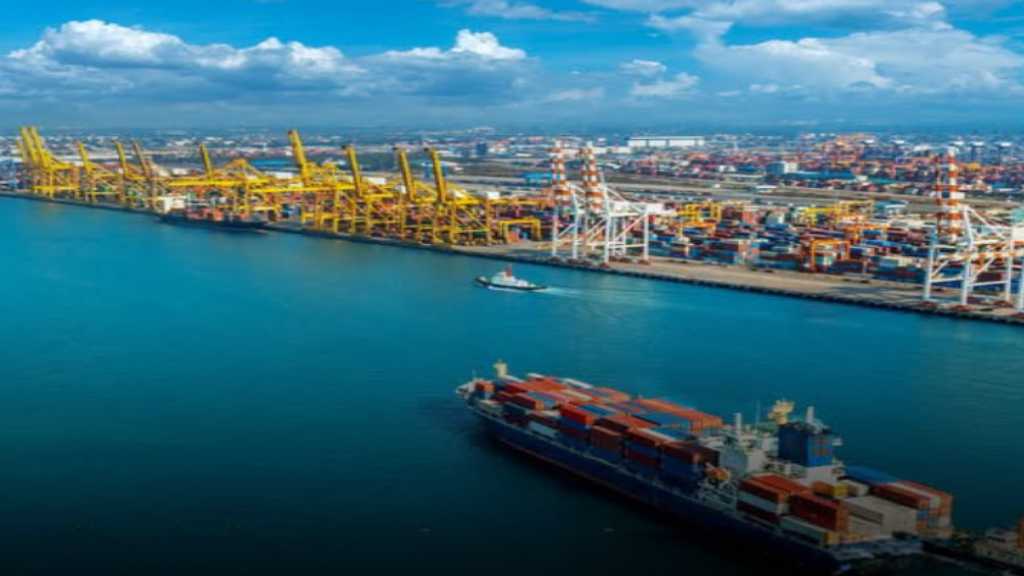
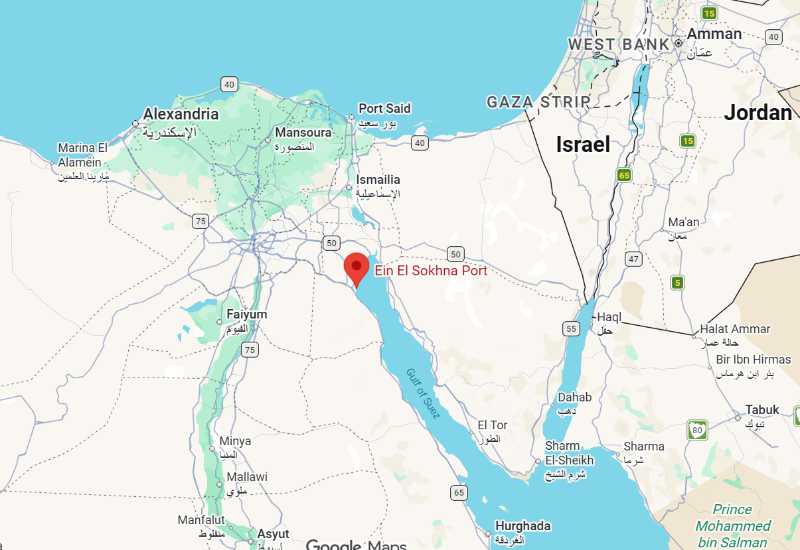
The RIZ project is being implemented in the northeastern part of the Suez Canal Economic Zone and currently represents a plot with a total area of 50 hectares with access to the Ain Sokhna Port. That is close to the Suez Canal and is regarded as Egypt’s gateway to the Gulf Cooperation Council markets in the Middle East. Russian Deputy Prime Minister Alexei Overchuk has previously stated that the start of operations of the Russian industrial zone in Egypt is scheduled for 2030. The RIZ development, construction, and installation work is to be carried out between 2026-2029.